

boiler
Boiler Water Alkalinity Control | Beta Pramesti Asia
Boiler alkalinity control for stable pH and lower scale, carryover, and corrosion risks, selected from system pressure, feedwater, and operating data.
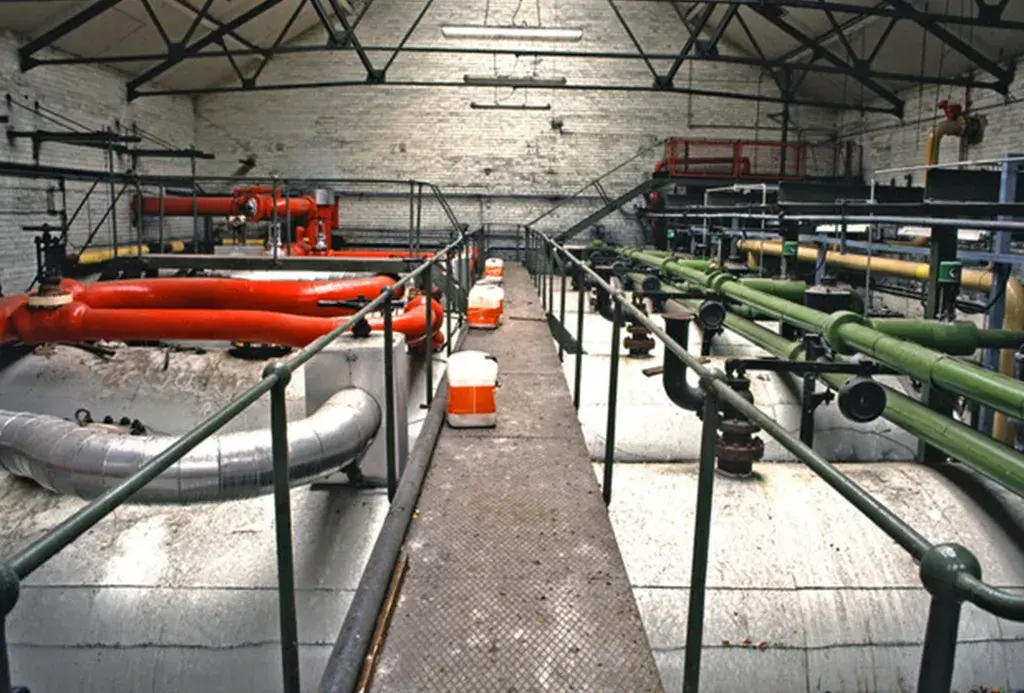
Boiler-water alkalinity control keeps water chemistry within the boiler’s operating limits so pH remains stable without promoting scale, carryover, or caustic attack. PT Beta Pramesti Asia, through beta.co.id, supports industrial boiler chemical programmes in Indonesia using working pressure, feedwater quality, cycles of concentration, blowdown, and boiler-manufacturer limits.
Technically reviewed: 3 August 2026.
What data determines boiler alkalinity control?
An alkalinity target should not be copied from another system. Boiler pressure, feedwater alkalinity and hardness, pH, conductivity, condensate condition, blowdown rate, and metallurgy determine the chemical, injection point, and testing frequency that should be evaluated.
| Operating finding | Data to review | Programme decision |
|---|---|---|
| Low pH or alkalinity | pH, P/M alkalinity, feedwater, and condensate | Review alkalinity correction and the source of acidic water |
| High alkalinity or foaming | Alkalinity, TDS, conductivity, drum level, and blowdown | Check dose, concentration, and blowdown control |
| Recurrent scale | Hardness, silica, phosphate, alkalinity, and deposit inspection | Check pretreatment and boiler scale control |
| Condensate-line corrosion | Condensate pH, iron, copper, dissolved oxygen, and CO₂ | Evaluate a neutralizing amine and air ingress |
How does an alkalinity load balance support diagnosis?
A load balance converts concentration into mass per day so a flow change is not mistaken for a chemistry change. Compare alkalinity entering in feedwater with the amount leaving in blowdown over the same period. The difference is diagnostic evidence—not an automatic chemical dose—because reactions, carryover, inventory changes, and sample uncertainty still need closure.
Use the same equation for each stream:
alkalinity load (kg/day as CaCO₃) = alkalinity (mg/L as CaCO₃) × flow (m³/day) ÷ 1,000
Example: 120 m³/day of feedwater at 40 mg/L carries 4.8 kg/day as CaCO₃. Blowdown of 8 m³/day at 600 mg/L also carries 4.8 kg/day. That equality only balances two measured loads during the example period; it does not prove that the boiler target is correct or that the chemical dose should be zero. Steam flow, drum-level changes, chemical addition, alkalinity demand, and carryover still require review.
| Check before using the result | Acceptable evidence | Decision status |
|---|---|---|
| Sample point and time | Fixed point, flushed line, and a time matched to recorded boiler flow/load | The result can enter the trend for that period |
| Sample condition | Sample cooler operating, temperature within the site method, and no flashing or container contamination | pH and titration can be compared with the baseline |
| Analysis quality | In-date reagents, procedural blank/standard check, reported endpoint and units, and reasonable duplicate agreement | The result can support the balance and dose review |
| Operating-data alignment | Feedwater and blowdown flows, drum level, steam load, and dosing time come from the same window | The mass balance has a consistent time basis |
| Any check fails | Point, temperature, method, or period cannot be verified | Hold the dose change and resample; do not average invalid data into the trend |
If the data pass these checks but the balance still does not close, investigate boiler inventory changes, leaks, unmetered blowdown, carryover, and chemical demand. Convert any approved load correction to product as supplied only with the alkalinity equivalent, active content, density, and application limits in the current product document, then release the change in controlled steps with repeat testing.
How is an alkalinity programme operated?
- Set operating limits from the design, pressure, metallurgy, and boiler OEM guidance.
- Sample feedwater, boiler water, and condensate at consistent points.
- Match the alkalinity requirement with hardness, silica, phosphate, TDS, and the blowdown programme.
- Adjust the chemical and injection point through a controlled trial; do not correct pH from one reading alone.
- Trend test results, make-up consumption, blowdown, and evidence of carryover or deposits.
This control should work with the Betagard boiler chemical programme, oxygen scavengers, and feedwater treatment. Dose changes must follow the safety data sheet, site procedures, and equipment limits.
What should a boiler alkalinity-control proposal include?
A useful proposal states the operating basis, chemical scope, dosing method, tests, and acceptance limits. This lets the buyer compare a monitored programme with a chemical-only offer and identify which plant changes remain outside the supplier’s scope.
| Proposal item | Minimum evidence | Buyer decision |
|---|---|---|
| Operating basis | Boiler pressure and capacity, OEM limits, feedwater and condensate analyses, blowdown, load pattern, and current programme | Confirms that the recommendation belongs to the actual unit |
| Chemical scope | Product identity, concentration basis, injection point, compatibility, SDS, storage, and links to the wider boiler water treatment programme | Defines what is supplied and which risks need separate control |
| Dosing and testing | Tank and chemical dosing pump range, calibration method, sample points, test methods, and operator frequency | Shows whether the proposed dose can be delivered and verified |
| Acceptance and review | Starting baseline, approved operating range, trend format, review triggers, corrective-action route, and reporting period | Establishes how the programme will be accepted and adjusted |
Frequently asked questions about boiler alkalinity
What is the correct boiler-water alkalinity target?
There is no single safe number for every boiler. The target depends on pressure, design, metallurgy, feedwater quality, the phosphate or alkalinity programme, and OEM limits. Use the approved range for that unit and evaluate the trend rather than one result.
Does high alkalinity always prevent corrosion?
No. Excess alkalinity can increase the risk of foaming, carryover, deposits, or caustic attack under some conditions. The programme must balance corrosion protection with TDS, blowdown, and deposit control.
What data is needed for an evaluation?
Send boiler pressure and capacity, feedwater and condensate quality, pH, alkalinity, hardness, silica, TDS or conductivity, blowdown, current chemicals, and inspection findings through the Beta Pramesti contact page.