

water wastewater
Industrial Specialty Chemicals | Beta Pramesti Asia
Industrial specialty chemicals for antiscalant, corrosion, biocide, cleaning, emissions, oilfield, and process-treatment applications across Indonesia.
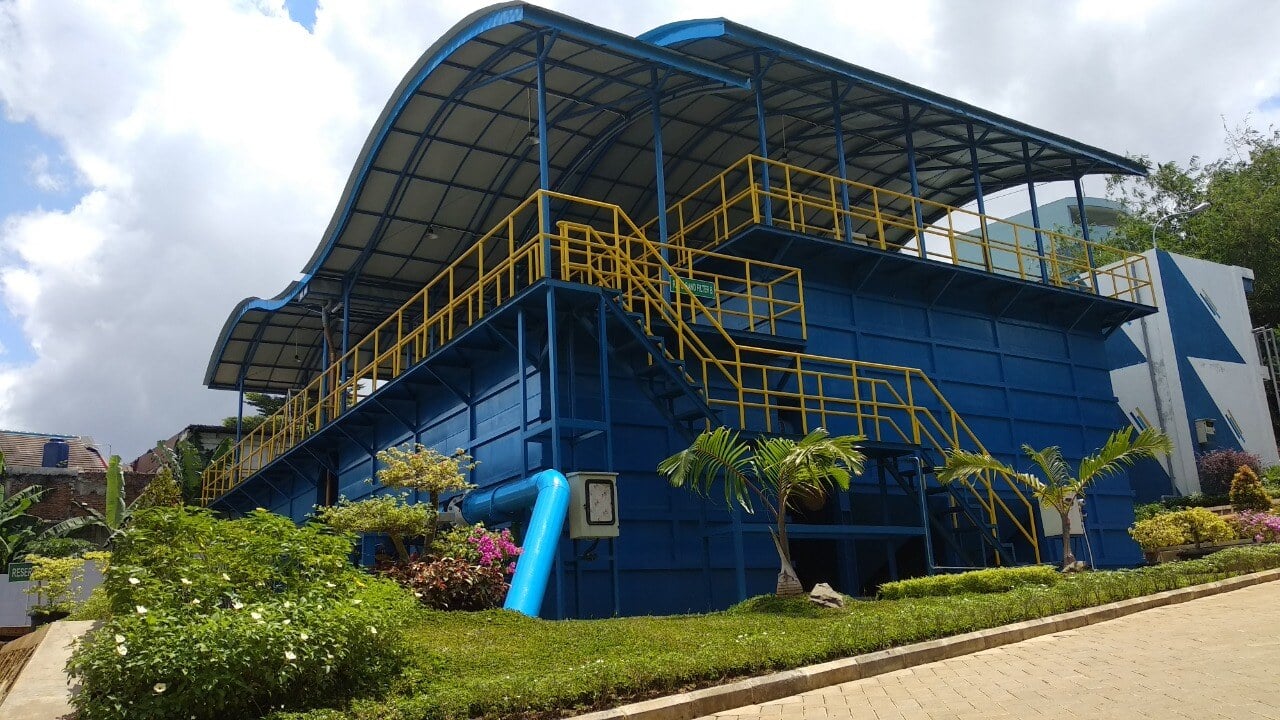
Industrial specialty chemicals are formulations selected by function and process outcome—for example scale, corrosion, microbiological, fouling, foam, emissions, or phase-separation control. Selection must connect the problem, operating conditions, materials, application method, monitoring parameter, and acceptance criteria; an active-ingredient name alone is not enough.
PT Beta Pramesti Asia, through beta.co.id, provides specialty chemicals and application support for industries in Indonesia, including water treatment, wastewater, cooling systems, boilers, mining, oil and gas, cleaning, and selected emissions applications.
How do specialty chemicals differ from commodity chemicals?
A commodity chemical is usually compared mainly by identity, concentration, purity, packaging, and price on the same basis. A specialty chemical is compared by performance in a specific application, so price per kilogram must be translated into consumption, process outcome, material risk, monitoring needs, and total cost of use.
| Buyer question | Evidence to request | Decision supported |
|---|---|---|
| What problem must be controlled? | Baseline, symptoms, sample/deposit analysis, and operating history | Define the product function and avoid an undiagnosed trial |
| Is the product compatible? | TDS, SDS, wetted materials, temperature, pH, and other chemicals | Define tank, pump, injection point, and safety limits |
| How will dose be proven? | Flow basis, product concentration, test method, residual or performance indicator | Set starting dose, monitoring frequency, and correction rule |
| Is the trial result acceptable? | Written baseline and target, duration, process changes, consumption, and side effects | Compare performance and cost under equivalent conditions |
Characteristics of Specialty Chemicals
- Based on function, not composition.
Focus on what the material does - e.g. “anti-foaming agent”, not just “silicone polymer”. - Specific performance.
Designed to work effectively under specific conditions - specific pH, temperature or pressure. - Used at a controlled dose. Application concentration must follow the product, process, trial, and target; another product’s dose should not be copied without verification.
Examples of Use in Various Industries
1. Water Treatment
- Antiscalant - prevents scale in RO pipes/membranes
- Corrosion inhibitor - prevents rust
- Biocide - kills microorganisms
- Defoamer - reduces foam
2. Oil & Gas Industry
- Demulsifier - separates water from crude oil
- Flow improver - facilitates the flow of oil in the pipeline
- Corrosion inhibitor
3. Textile & Pulp
- Softener - softens fabric
- Sizing agent - helps the yarn to be stronger
- Bleaching stabilizer
4. Automotive & Metals
- Oil additive - improves lubricant performance
- Rust inhibitor - prevents rust
- Cleaner & degreaser
- AdBlue AUS 32 to ISO 22241 - a dedicated diesel SCR fluid requiring controlled quality, storage, and dispensing.
5. Food & Pharmaceutical
- Flavor enhancer, emulsifier, preservative, vitamin premix, etc.
Conclusion
Specialty chemicals have specific functions and are judged by their industrial-process result. For water programmes, review industrial water-treatment chemicals, boiler chemical programmes, cooling-tower programmes, and reverse-osmosis chemicals.
Frequently asked specialty-chemical questions
Are products with the same function always interchangeable?
No. Active content, product form, solvent, inhibitor, density, pH, compatibility, and monitoring method may differ. A product change requires TDS/SDS review, chemical-feed calibration, and a trial against the same target.
What data are required before a trial?
Prepare the process diagram, problem and baseline, flow, temperature, pressure, pH, materials, water/deposit analysis, other chemicals, injection point, monitoring method, current consumption, and acceptance target. Feed equipment can be reviewed through Watermart dosing pumps.
How can a recommendation be requested?
Send the process data, current-product TDS/SDS, trial history, and safety constraints through the Beta Pramesti Asia contact page. An initial recommendation should be confirmed through compatibility checks, a controlled trial, and operating trends.