

mining
Hydrate Flocculant Slurry Trial | Beta Pramesti
Evaluate hydrate flocculant by slurry type, polymer hydration, dose, mixing energy, settling rate, overflow clarity, and plant-trial proof.
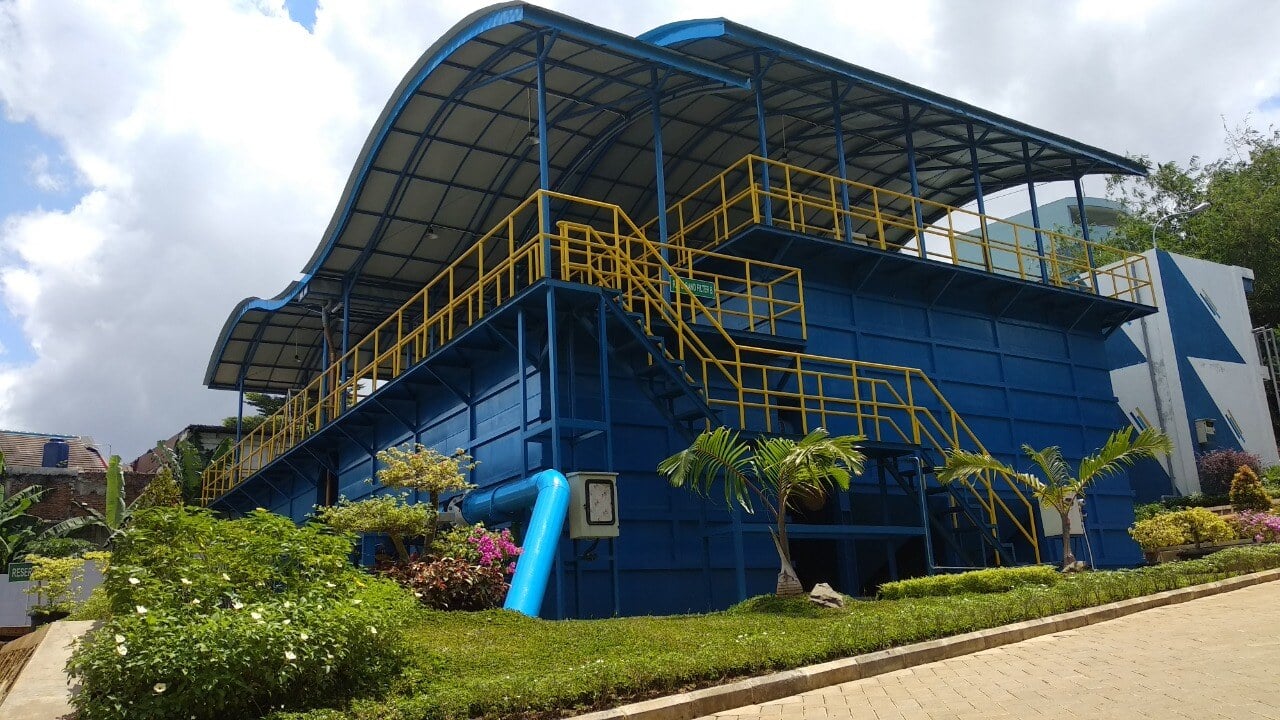
Hydrate flocculant is selected to help fine particles form floc that settles or separates more easily, especially in mine slurry, industrial wastewater, and sludge thickening. PT Beta Pramesti Asia evaluates flocculants from slurry character, polymer hydration, dose, mixing energy, injection point, settling rate, overflow clarity, and dewatering target.
Technically reviewed: 5 August 2026.
How should hydrate flocculant be tested?
Hydrate flocculant testing should use the actual slurry and a repeatable make-down procedure. A grade that performs well in a beaker may fail in the plant if dilution water, hydration time, solution concentration, pump shear, or injection point differs from operating conditions.
| Trial stage | Data recorded | Decision supported |
|---|---|---|
| Slurry characterisation | Percent solids, pH, alkalinity, temperature, particle size, and dominant minerals | Shortlist anionic, cationic, or non-ionic candidates |
| Hydration or make-down | Dilution-water quality, stock concentration, hydration time, agitation, and solution age | Prevents poor performance from immature or damaged polymer |
| Dose test | Dose range, mixing energy, contact time, floc size, and settling rate | Sets the initial dose and overdose risk |
| Overflow-underflow test | Overflow turbidity/TSS, settled volume, underflow solids, and filtrate clarity | Compares clarification, thickening, and dewatering load |
| Plant trial | Flow, injection point, pump calibration, shear, and response to load change | Confirms whether lab results transfer to operation |
Signs that flocculant selection is not yet valid
Selection is not valid when floc breaks quickly, overflow remains cloudy, dose keeps rising, underflow stays dilute, or results vary by shift. Before changing grade, check solution concentration, hydration time, make-down water quality, dosing-pump calibration, injection point, and feed-slurry change.
How should lab results be transferred to the plant without breaking floc?
Hydrate flocculant results transfer to the plant only when the critical floc-forming conditions are preserved: the polymer solution is mature, actual dose is measured, mixing energy gives initial contact without cutting the floc, and the injection point provides time before the thickener, clarifier, DAF, or dewatering unit. Acceptance evidence should use overflow, underflow, and product consumption data at the same load.
| Scale-up risk | Evidence to check | Acceptance action |
|---|---|---|
| Polymer solution is immature | Hydration time, stock concentration, solution age, and make-down water quality | Hold grade comparison until the make-down procedure is stable |
| Pump or mixer shear is too high | Large floc appears in the beaker but breaks after the injection point | Move the injection point, reduce mixing energy, or change dilution practice |
| Actual dose differs from the setting | Tank drawdown, pump calibration, and flow interlock | State dose as product per tonne of dry solids or per m3 of slurry |
| Overflow sample is not representative | Sample point, retention time, flow, and load condition when sampled | Repeat sampling under the same condition before accepting or rejecting the grade |
Compare this product with industrial flocculants, anionic and cationic flocculants, red mud flocculant, and sludge treatment. Send slurry data and process targets through the Beta contact page.
Hydrate flocculant FAQs
Can flocculant dose be selected from TSS alone?
No. TSS is only one input. Particle charge, pH, alkalinity, particle size, mineral type, shear, make-down water quality, and overflow-underflow targets also affect dose.
Why does polymer hydration affect performance?
Polymer that is not fully hydrated may not open its molecular chain properly, while excessive mixing can damage the chain. Both can make the apparent dose higher than the true requirement.
What plant-trial proof should a buyer request?
Request actual dose logs, solution concentration, hydration time, flow, injection point, overflow TSS or turbidity, underflow solids, and the operating condition when samples were taken.