

biological
Sequence Batch Reactor for WWTP | Beta Pramesti Asia
Sequence Batch Reactor for industrial WWTPs is selected from flow, load, equalisation, cycles, aeration, settling, decanters, effluent, and operation.
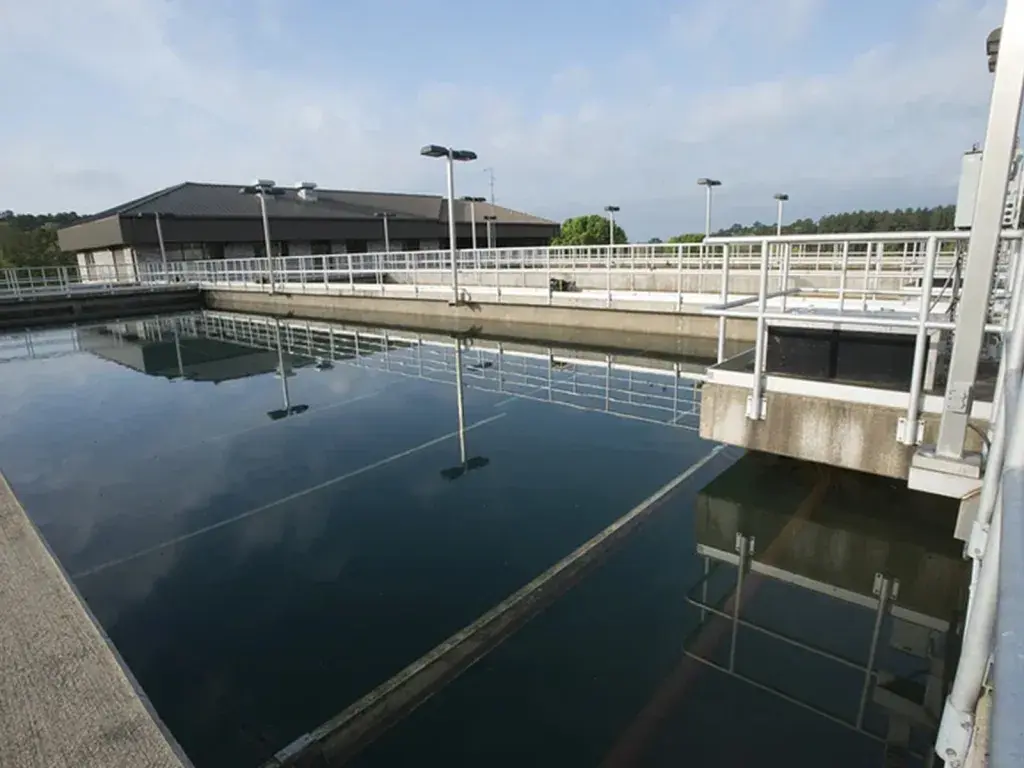
A Sequence Batch Reactor (SBR) is an activated-sludge process that runs fill, react, settle, decant, and idle steps in a timed sequence within one reactor. It fits sites where flow, loading, equalisation, and automation support batch operation. PT Beta Pramesti Asia, through beta.co.id, reviews influent, effluent targets, cycles, aeration, settling, decanters, sludge, and redundancy for Indonesian WWTP projects.
How does an SBR cycle treat wastewater?
An SBR uses biological treatment and solids separation similar to activated sludge, but the unit operates in time rather than through a continuous train. The U.S. EPA describes an SBR as a fill-and-draw system that can provide equalisation, aeration, and clarification in the batch reactor in its SBR technology fact sheet.
| Phase | Main function | Important data or control |
|---|---|---|
| Fill | Introduce influent and mix it with biomass | Incoming volume, load, level, mixing, and the planned aerobic/anoxic condition |
| React | Treat organics and nutrients under the selected aeration strategy | DO, time, pH, temperature, load, and biomass response |
| Settle | Stop mixing/aeration so sludge can settle | Settling, blanket, flow disturbance, and available time |
| Decant | Remove supernatant without carrying sludge | Level, decant rate, decanter position, effluent TSS, and interlocks |
| Idle | Prepare the next cycle and waste sludge where planned | Duration, sludge withdrawal, equipment checks, and basin readiness |
When should SBR be compared with other processes?
SBR is worth evaluating for small-to-medium flows, batch or intermittent patterns, constrained land, and a need for cycle flexibility. Industrial wastewater still needs variation data and normally treatability evidence to establish an operable sequence.
| Buyer question | Evidence required | Design effect |
|---|---|---|
| Does influent continue during settle/decant? | Hourly flow profile, storage, and production schedule | Equalisation or parallel-basin requirement |
| How much does loading vary? | COD/BOD/TSS, nitrogen, pH, FOG, temperature, and peak load | Batch volume, fill/react time, aeration, and buffer |
| Does sludge settle reliably? | Settling test, MLSS/MLVSS, relevant SVI, and toxicity data | Settle time, wasting strategy, and selector requirement |
| What is the effluent and polishing target? | Parameter limits and filtration/disinfection/reuse needs | Decant rate, downstream equalisation, and final units |
| How will the site handle failure? | Redundancy, backup power, alarms, spares, and operator coverage | Basin count, safe mode, and recovery strategy |
Which data is needed before SBR design?
Prepare hourly minimum/average/peak flow, production calendar, COD/BOD, TSS, oil and grease, nitrogen, phosphorus, pH, temperature, salinity, inhibitory compounds, effluent targets, land, utilities, and operator capability. Match each sample with time and flow so the load per cycle can be calculated.
Compare the Betaqua aerobic system, MBBR, and MBR where the project needs another process arrangement. Support chemicals such as bacterial nutrients should follow the load balance and biomass condition.
What commonly makes an SBR unstable?
| Symptom | First checks | Direction of response |
|---|---|---|
| High effluent TSS during decant | Settling, blanket, decanter, decant rate, and influent disturbance | Restore separation and interlocks before shortening the cycle |
| DO does not reach its target | Load, blower, diffusers, level, mixing, and oxygen transfer | Match aeration capacity to the actual load |
| Cycles frequently overrun | Peak flow, level sensors, valves, PLC, and phase time | Audit the bottleneck and equalisation capacity |
| Performance falls after a production change | pH, toxicity, FOG, temperature, and shock load | Hold speculative cycle changes and characterise the influent |
SBR frequently asked questions
Does an SBR always need only one tank?
No. One reactor carries out the batch functions, but continuous inflow, redundancy, capacity, and settle/decant time may require equalisation or more than one basin.
Is an SBR automatically resistant to shock loads?
The cycle provides flexibility, but protection still depends on equalisation, volume, controls, aeration, biomass, and the inhibitory material. Loads outside the design basis can upset the process.
How can I request an SBR review?
Send flow and load profiles, influent data, effluent targets, land, utilities, and redundancy needs through the Beta Pramesti contact page. The team can define sampling, treatability, and cycle-basis requirements.