

boiler
Industrial Boiler Chemical Program | Beta Pramesti
Industrial boiler chemical programs for scale, corrosion, oxygen, alkalinity, condensate, and cleaning control based on water and operating data at site.
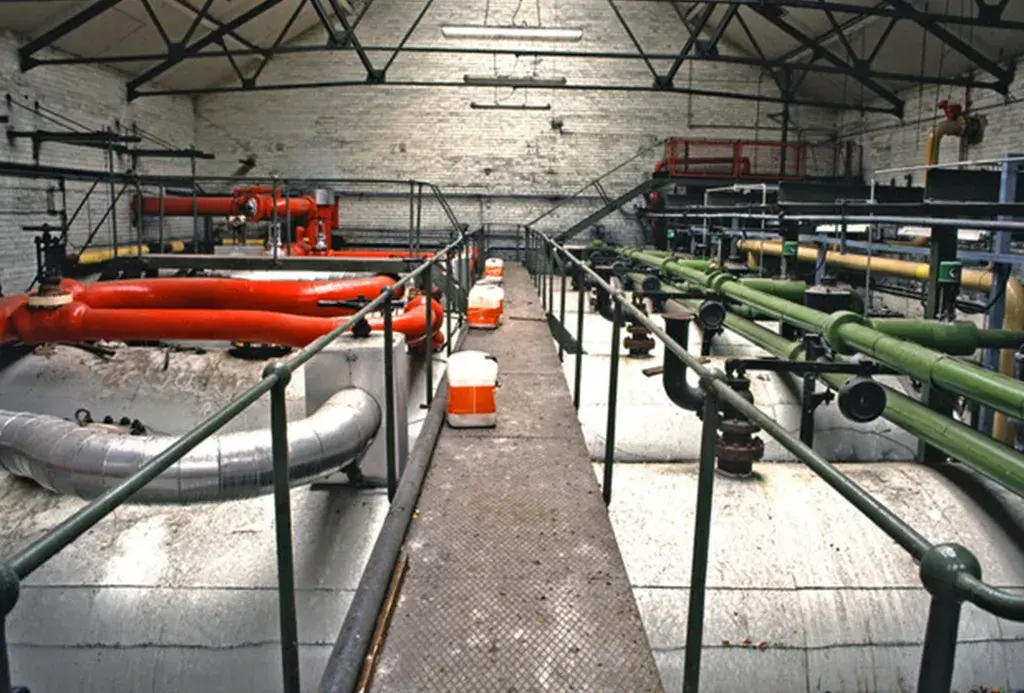
An industrial boiler chemical programme combines pretreatment, scale control, oxygen removal, alkalinity control, condensate treatment, blowdown, and monitoring. Selection must reflect boiler pressure, feed-water quality, steam use, condensate return, and inspection evidence—not one standard dose package for every plant.
PT Beta Pramesti Asia, through beta.co.id, provides boiler programmes and treatment chemicals for industrial facilities in Indonesia. The technical review connects water data, equipment condition, injection points, residual testing, and operator response to the appropriate Betagard products.
Scale and Corrosion Prevention
Scale and corrosion do not necessarily share the same cause or corrective chemistry. Hardness breakthrough and silica point to pretreatment and scale-control checks; dissolved oxygen and condensate corrosion require review of the deaerator, air ingress, pH, and condensate return.
Our water treatment programs include:
How is a boiler chemical programme selected?
The programme is selected from measured problems and the boiler’s operating limits. Compare makeup, feed-water, boiler-water, and condensate results at matching loads before changing dose or blowdown.
| Operating finding | Data to check first | Programme path to evaluate |
|---|---|---|
| Scale or hard deposits | Hardness, silica, conductivity/TDS, pretreatment, blowdown, and deposit analysis | Scale control, pretreatment correction, or cleaning when deposits already exist |
| Feed-water or boiler corrosion | Dissolved oxygen, pH, deaerator temperature, iron, and injection point | Oxygen scavenging alongside mechanical correction and monitoring |
| Condensate-return corrosion | pH and conductivity by point, iron, process contamination, and steam use | Neutralising amine after steam-use limits are confirmed |
| Unstable pH or alkalinity | Feed- and boiler-water alkalinity, blowdown, load, and test method | Alkalinity control with an approved residual target |
| Old deposits impair heat transfer | Inspection, deposit composition, materials, and rinsate route | Boiler chemical-cleaning service with compatibility and neutralisation procedures |
The U.S. Department of Energy treats water treatment, blowdown, condensate return, and maintenance as connected parts of steam-system management (DOE FEMP, Steam and Boiler Systems). Increasing dose should therefore never replace checks on the softener, deaerator, dosing equipment, or blowdown.
Minimum data for a programme review
Prepare boiler capacity and pressure, operating hours and load pattern, makeup source, feed-water/boiler-water/condensate analyses, condensate-return percentage, pretreatment configuration, blowdown rate, current products and doses, inspection findings, and OEM limits. Chemical-feed equipment can be reviewed through Watermart dosing pumps.
Every result should identify the sample point, time, boiler load, and test method. Data without context can drive the wrong correction: conductivity during startup is not equivalent to stable operation, while one condensate-return sample cannot represent an entire network. A traceable baseline is also needed to evaluate trial results and product consumption.
Frequently asked boiler-programme questions
Can one product handle every boiler problem?
No. Scale, oxygen, alkalinity, condensate corrosion, and old deposits have different causes and control points. A programme may combine products, but each component needs a data basis, injection point, residual or indicator, and correction rule.
When is chemical cleaning required?
Chemical cleaning is evaluated when an existing deposit disrupts operation and cannot be corrected by preventive treatment. Deposit analysis, materials, mechanical condition, circulation, rinsing, and the rinsate-treatment route must be defined before work begins.
How should boiler-programme quotations be compared?
Compare the water-analysis basis, product names, dose and consumption, control targets, pump and testing requirements, service schedule, acceptance criteria, and total programme cost. Price per kilogram without a flow basis and residual target is not a valid comparison.
Contact the Beta Pramesti Asia team with system data to review an industrial boiler chemical programme.