

ancillaries
Power Plant Water Treatment Systems | Beta Pramesti
Power plant water treatment for pretreatment, cooling make-up, demineralisation, condensate, boiler feedwater, wastewater, commissioning, and testing.
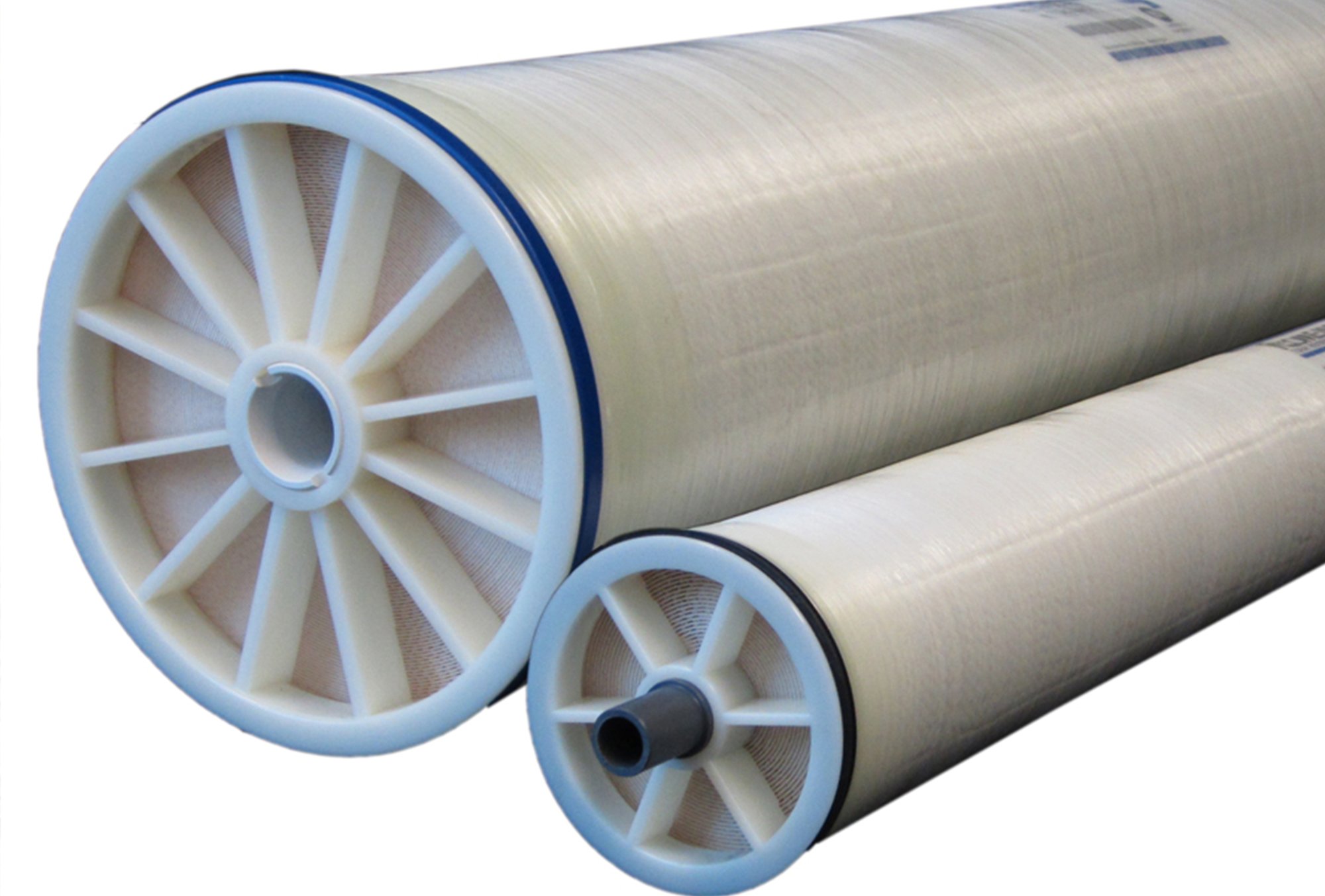
Power plant water treatment separates raw water, cooling make-up, demineralised water, condensate, boiler feedwater, and wastewater because each circuit has a different target. PT Beta Pramesti Asia develops the WTP basis from source analysis, water balance, OEM specifications, steam-cycle and cooling configuration, availability, and residuals routes.
Power plant water treatment follows each circuit’s duty
Demineralised steam-cycle make-up cannot be replaced by cooling-tower water, and condensate polishing cannot correct inadequate raw-water pretreatment. The design basis should map every user, return, blowdown, backwash, regenerant, and concentrate stream before equipment capacity is fixed.
| Power plant circuit | Duty and risk controlled | Train or programme to evaluate | Core acceptance data |
|---|---|---|---|
| Raw and service water | Control changing turbidity, solids, organics, hardness, salts, and microbiology before the water branches to users | Screening, coagulation-clarification, media filters, UF, softening, or disinfection as the analysis requires | Net flow, product quality, backwash, sludge, turndown, and duty/standby |
| Cooling make-up and circulation | Control deposits, corrosion, biofouling, COC, water demand, and blowdown | Make-up pretreatment, cooling-tower chemistry, dosing, side-stream filtration, and monitoring | Make-up/evaporation/blowdown balance, residual chemistry, conductivity, corrosion, and cleanliness |
| Demineralised make-up and boiler feedwater | Meet water-and-steam chemistry limits for the specified pressure, materials, and cycle configuration | RO, demineralisation, mixed bed or EDI, degassing, and the applicable boiler chemical programme | Conductivity, silica and other OEM parameters, net capacity, regeneration, recovery, and steam purity |
| Condensate | Detect contamination and limit impurities or corrosion products returning to the cycle | Sampling, online analyzers, diversion logic, and a condensate polisher where required | Alarm/diversion response, quality before and after polishing, pressure drop, and regeneration run |
| WTP and utility wastewater | Manage backwash, regenerant, RO reject, boiler/cooling blowdown, sludge, drains, and other process streams without harmful mixing | Segregation, equalisation, neutralisation, solids separation, reuse, and industrial wastewater treatment | Flow and load balance, storage capacity, effluent target, compliance point, and sludge/concentrate route |
The IAPWS Power Cycle Chemistry Working Group publishes guidance covering feedwater and boiler-water treatment, steam purity, online monitoring, and corrosion-product monitoring for fossil and combined-cycle plants. Project criteria must be customised to unit type, materials, pressure, and OEM requirements; numbers from another plant are not a design guarantee.
How should a brownfield power plant water-treatment upgrade be scoped?
Start with a verified performance gap, the existing hydraulic and control limits, and the operating evidence needed to accept the change. A brownfield upgrade should recover capacity, quality, availability, or water use without creating an unplanned bottleneck in pretreatment, chemical feed, residuals handling, utilities, controls, or plant access.
| Upgrade trigger | Evidence to collect before choosing equipment | Decision to make |
|---|---|---|
| Raw-water quality breaks through seasonally | Dated source and outlet trends, jar tests, filter runs, backwash demand, sludge rate, and peak flow | Change chemistry or operation, add a treatment barrier, or increase hydraulic capacity |
| RO or demineralisation no longer holds capacity or quality | Normalised RO trends, resin run length, conductivity, silica, pressure loss, cleaning/regeneration records, and reject route | Correct pretreatment or RO chemistry, replace media or membranes, or add duty/standby capacity |
| Condensate contamination causes alarms or diversion | Analyzer validation, event timing, suspected ingress points, polishing performance, resin condition, and return-flow balance | Repair the contamination source, revise diversion logic, or upgrade condensate polishing |
| Cooling water demand or blowdown is excessive | Verified water balance, make-up quality, COC, heat-exchanger condition, chemistry residuals, corrosion data, and side-stream performance | Correct control and chemistry, improve make-up treatment, add filtration, or evaluate reuse |
| WTP residuals exceed storage or wastewater capacity | Stream-by-stream flow and load, event duration, tank working volume, neutralisation demand, sludge production, and discharge/reuse limits | Segregate streams, recover water, add equalisation or treatment, and define the final residual route |
Write the acceptance test against the baseline that justified the project. The contract should state which operating case will be demonstrated, how instruments and samples will be validated, what existing-plant constraints are excluded, and what remedy applies if the upgrade moves a bottleneck elsewhere.
Industrial WTP contractor scope from study through handover
The scope should identify each deliverable so buyers can compare proposals on a common basis. New plants and upgrades to existing systems may require the following combination of work:
| Service stage | Buyer deliverable | Core data or evidence |
|---|---|---|
| Survey and design basis | Agreed system boundary, feed conditions, product target, capacity, and assumptions | Dated water analyses, flow profile, layout, utilities, and process demand |
| Design and integration | PFD, water balance, process specification, equipment list, instrumentation, and civil/MEP interfaces | Sizing calculations, materials, recovery, residuals, and control philosophy |
| Fabrication and installation | Installed equipment meeting inspection, access, safety, and quality-document requirements | Datasheets, inspections, hydro/leak tests, calibration, and punch list |
| Commissioning and handover | Evidence of capacity, water quality, recovery, consumption, operability, SOPs, and training | FAT/SAT protocol, performance test, startup log, as-builts, and acceptance criteria |
Raw-water data that controls the design
One laboratory result cannot represent a source that changes with season, tides, rainfall, production, or well operation. Use dated results from normal and credible worst conditions, with the sample point and method recorded.
| Design input | Minimum data | Decision affected |
|---|---|---|
| Source and variation | Surface water, well, municipal, brackish, seawater, or reuse; seasonal and operating data | Equalization, redundancy, materials, and upset risk |
| Flow | Average and peak m³/h, peak duration, daily volume, and batch pattern | Hydraulic capacity, storage, turndown, and number of trains |
| Solids and colloids | Turbidity, TSS, particle size, and SDI when RO is considered | Clarification, media filtration, UF, cartridges, and backwash frequency |
| Salts and hardness | Conductivity/TDS, hardness, alkalinity, chloride, sulfate, and silica | Softening, antiscalant, RO/NF, demineralization, recovery, and materials |
| Metals and organics | Iron, manganese, TOC/COD, oil, colour, odour, and source-specific contaminants | Oxidation, activated carbon, coagulation, or a specialist process |
| Microbiology | Total coliform/E. coli or process-relevant indicators | Barriers, sanitation, UV, chlorination, and residual monitoring |
| Product-water specification | Limit for each parameter, end use, availability, and operating hours | Acceptance testing and final polishing technology |
Source-to-treatment decision map
Start with the condition that must be controlled, then arrange barriers in sequence. This table is an initial screening map; the final train must be supported by analysis, mass balance, treatability testing, and downstream OEM limits.
| Dominant feedwater condition | Initial train to evaluate | Evidence required before selection |
|---|---|---|
| Rapidly changing turbidity/TSS in surface water | Screening → coagulation/flocculation → clarifier or lamella → media filter → cartridge/UF | Seasonal jar tests, sludge yield, filter run, and turbidity/SDI target |
| High hardness with acceptable TDS | Media filtration if needed → softener | Hardness leakage, regeneration demand, salt storage, and peak flow |
| High TDS, chloride, or silica in brackish water | Pretreatment → cartridge/UF → brackish-water RO → target-specific polishing | Scaling projection, SDI, recovery, reject route, and permeate test |
| Seawater | Intake/screening → coagulation/filtration or UF → cartridge → seawater RO → remineralization/disinfection as needed | Salinity/turbidity variation, biofouling risk, materials, energy, and brine disposal |
| Demineralized or high-purity water | One/two-pass RO → EDI, mixed bed, or demineralizer | Conductivity/resistivity, silica/boron where relevant, regeneration, and recovery |
| Product requires a microbiological barrier | Adequate filtration → ultraviolet or chemical disinfection → residual monitoring | UV transmittance, validated/OEM dose, contact time, demand, and point of use |
| Reuse from treated wastewater | Equalization → solids/organics polishing → UF/RO as required → disinfection | Effluent variation, fouling test, microbial risk, concentrate route, and site reuse permission |
Compare processes before fixing the configuration
No single technology removes every contaminant. Select each process for its primary function and incoming load; expensive polishing must not compensate for inadequate pretreatment.
| Process | Primary duty | Does not solve alone | Core sizing data |
|---|---|---|---|
| Coagulation, clarification, lamella | Reduce colloids, turbidity, colour, and solids that can form floc | Dissolved salts and non-coagulable dissolved organics | Peak flow, jar test, surface loading, sludge rate |
| Media filtration | Retain solids after pretreatment or from a stable source | TDS, dissolved hardness, or microbes without another barrier | Service flow, bed depth, particle load, backwash flow |
| Ultrafiltration | Barrier for suspended solids and some microorganisms | Dissolved salts | Tested flux, TMP, recovery, backwash/CIP, feed variation |
| Softening/ion exchange resin | Remove hardness or selected ions | Total TDS; resin also needs regeneration and brine management | Ionic load, leakage target, vessel duty, regenerant dose |
| RO/NF | Reduce dissolved ions and membrane-rejected contaminants | Poor pretreatment, incompatible free chlorine, or concentrate disposal | Flux, recovery, scaling, temperature, pressure, normalized performance |
| Activated carbon | Reduce chlorine, taste/odour, and selected organics | All ions or all microorganisms; unmanaged beds can support growth | EBCT, contaminant load, breakthrough, backwash/sanitation |
| UV/chemical disinfection | Control microorganisms under design conditions | High turbidity, deposits, or downstream recontamination | UVT/dose or CT, peak flow, residual demand, validation |
Sizing and vendor data-package checklist
A request for quotation must state the design basis, not only “20 m³/h capacity.” Include:
- PFD and source of every stream, including returns, recycle, backwash, drains, and concentrate.
- Average, peak, and minimum flow; peak duration; operating hours; and duty/standby requirement.
- Normal and worst credible raw-water analyses with date, unit, method, and sample point.
- Product-water limits for every mode, including downstream OEM requirements.
- Footprint, elevation, electricity, instrument air, chemical storage, area classification, and materials.
- Water balance covering recovery, backwash, regenerant, reject, sludge, and disposal routes.
- Control philosophy covering online instruments, alarms, interlocks, automatic shutdown, sampling, and historian.
- FAT/SAT, performance test, training, consumables, critical spares, and as-built documentation.
For injection packages, review chemical-metering dosing pumps and water-treatment ancillaries. Where a project only needs replacement membranes, resin, filter media, or housings, Watermart supplies water-treatment components in Indonesia.
How do you compare industrial water treatment proposals?
Compare proposals against one common design basis, not equipment count or headline flow alone. Each bidder should state the feedwater envelope, guaranteed product quality, net product capacity, recovery, residual streams, utility demand, exclusions, and acceptance method in the same units and operating cases.
| Comparison item | What the proposal must state | Buyer check |
|---|---|---|
| Design basis | Dated feed analysis, normal and worst case, temperature, average/peak flow, operating hours, and product limits | Confirm every bidder used the same input revision and boundary conditions |
| Net capacity and availability | Net product flow after backwash, regeneration, cleaning, and internal recycle; duty/standby arrangement and turndown | Separate gross equipment rating from usable plant output |
| Performance guarantee | Parameters guaranteed, sampling point, test method, stabilization period, feedwater envelope, and remedy if the test fails | Reject guarantees that apply only to undefined or ideal feed conditions |
| Water balance and residuals | Product recovery, backwash, regenerant, concentrate, sludge, and spent cleaning stream by operating case | Confirm storage, treatment, reuse, and disposal interfaces are included |
| Operating demand | Connected and normal power, chemical and regenerant basis, consumables, labour assumptions, and cleaning frequency | Compare lifecycle inputs on the same annual operating basis |
| Scope and interfaces | Civil works, tanks, piping limits, cabling, instruments, controls, utilities, installation, freight, taxes, and site services | Assign every interface once and identify exclusions before award |
| Testing and support | FAT, SAT, performance test, training, manuals, critical spares, warranty boundary, and response scope | Tie payment and handover milestones to documented acceptance evidence |
Normalize these items in a bid-comparison sheet and return technical deviations for clarification before ranking price. For a project review, send the common design basis and bidder scope to the PT Beta Pramesti Asia team.
Buyer questions before appointing a WTP contractor
How does a WTP contractor differ from an equipment supplier?
An equipment supplier may stop at a particular unit or component. A WTP contractor connects the design basis, process integration, civil-mechanical-electrical interfaces, fabrication, installation, controls, commissioning, performance testing, documentation, and training in one buyer-accepted scope.
What belongs in an industrial WTP request for quotation?
Include dated feedwater analyses, minimum-average-peak flow, operating hours, product-water limits, duty/standby needs, utilities, layout, materials, backwash/reject/sludge routes, control philosophy, and FAT, SAT, and performance-test criteria. Without one common basis, bidder prices are not comparable.
How should WTP performance be accepted at handover?
Write net capacity, water quality, recovery, consumption, feedwater envelope, sampling point, test method, stabilisation period, and the remedy for failure into the contract. Tie handover to test evidence, SOPs, final P&IDs, calibration, training, and closure of the punch list.
Commissioning and performance-acceptance criteria
Commissioning is complete when the system demonstrates capacity, quality, recovery, and stable operation under the agreed conditions—not merely when its pumps start. The acceptance protocol must record actual feedwater and distinguish it from the design basis.
| Verification area | Criterion to write into the contract |
|---|---|
| Safety and mechanical | Hydro/leak test, rotation, alignment, guards, chemical bund, drains, labels, and maintenance access complete |
| Instrumentation | Flow, pressure, level, conductivity, turbidity, pH, ORP, and other analyzers calibrated; alarms and interlocks challenged |
| Hydraulics | Minimum/normal/peak flow, pressure drop, backwash, recycle, tank working volume, and overflow demonstrated |
| Water quality | Every product parameter tested at the agreed point and method over the contractual stable period |
| Consumption | Energy, chemicals, regenerant, backwash, recovery, sludge, and concentrate compared with guarantees |
| Operability | Start/stop, turndown, duty/standby changeover, cleaning, regeneration, sampling, and upset response demonstrated |
| Handover | SOP, cause-and-effect, as-built P&ID, datasheets, material certificates, commissioning log, spares, and training accepted |
Reject, backwash, sludge, and spent cleaning chemicals belong in the site’s waste balance. Government Regulation No. 22 of 2021 covers water-quality protection and waste management; each disposal route must follow the facility’s environmental approval and the correct sector-specific limits rather than be assumed suitable for direct discharge.
PT Beta Pramesti Asia power-plant WTP project scope
PT Beta Pramesti Asia is an Indonesian water and wastewater treatment company established in 1985. Its project scope includes process studies, design, fabrication at the Cikupa workshop, equipment and chemical integration, installation, commissioning, and operating and maintenance support.
The configuration follows source-water analysis, capacity, product target, availability, utilities, footprint, materials, and the project’s residuals route. This lets performance guarantees and operator needs be defined during design rather than added after equipment selection.
Data to send for a power-plant water-treatment review
Select a water-treatment partner by its ability to turn raw-water evidence and process targets into a design basis, water balance, equipment list, control philosophy, acceptance test, and post-start-up support. PT Beta Pramesti Asia covers those stages from evaluation through maintenance.
For an initial review, prepare dated water analyses, flow profile, quality targets, operating hours, PFD, utilities, layout, metallurgy, and reject/sludge routes. The team can then distinguish pretreatment, ion exchange, membrane, disinfection, and polishing needs before developing a project recommendation.