

pac
PAC vs ACH for Water Treatment | Beta Pramesti Asia
PAC vs ACH comparison for water treatment: grade specifications, basicity, active dose, pH, floc, sludge, cost, jar testing, and industrial plant trials.
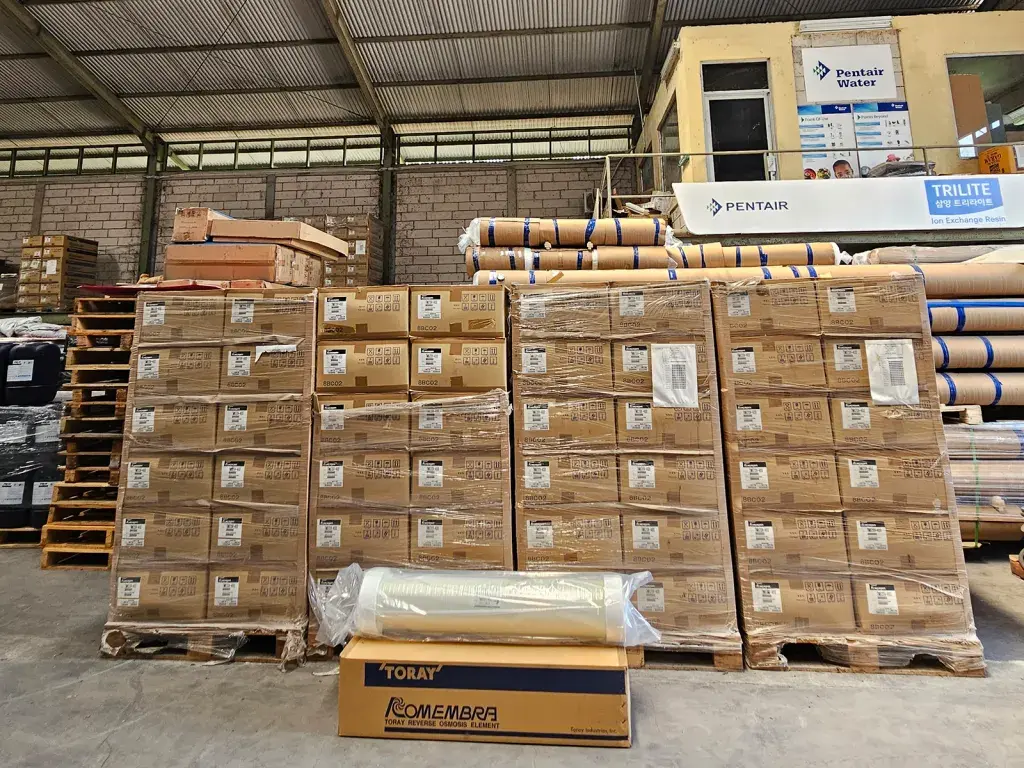
PAC and Aluminium Chlorohydrate (ACH) are both aluminium coagulants, but neither is a universal winner. Buyers should compare the actual grades at equivalent product and active dose, then evaluate pH/alkalinity, treated-water quality, floc, separation, sludge, influent stability, and total cost through jar testing and a controlled plant trial.
PT Beta Pramesti Asia, through beta.co.id, supplies PAC and ACH for industrial water and wastewater evaluation in Indonesia. Selection must use the correct product and lot documents, not the assumption that every PAC or every ACH has the same composition.
Technically reviewed: 31 July 2026.
Which PAC-versus-ACH differences matter to a plant?
PAC is a family of liquid or solid polyaluminium chloride grades with varying active content, basicity, density, pH, and impurities. ACH is a high-basicity aluminium coagulant, but its specification and process response also depend on grade. A chemical family name does not replace the TDS, CoA, SDS, and application test.
| Comparison dimension | PAC | ACH | Decision evidence |
|---|---|---|---|
| Supplied form | Liquid or solid, depending on grade | Commonly supplied as a liquid grade in Beta’s water-treatment range | TDS, CoA, packaging, storage, and make-down capability |
| Active content/basicity | Varies by grade | Commonly higher, but the grade document governs | Al₂O₃ normalisation and verified test method |
| pH/alkalinity effect | Depends on dose, grade, and water | Depends on dose, grade, and water | Before/after pH and alkalinity across the dose sweep |
| Floc formation/separation | Affected by mixing, temperature, particles, and the unit | Affected by the same variables | Floc size/strength, settling or DAF, carryover, and filtration |
| Residuals and sludge | Cannot be predicted from the chemical name | Cannot be predicted from the chemical name | Required residual parameter, sludge volume/solids, and dewatering |
| Cost | Product, freight, storage, make-down, dosing, pH correction, and sludge | Use the same cost basis | Total cost per m³ meeting every target |
Indonesia’s SNI 3822:2018 for Polyaluminium Chloride is listed as current for PAC quality requirements and test methods in the stated uses. A product standard does not establish that one PAC or ACH will outperform the other at a specific plant.
How can dose be compared fairly?
Put both products on the same basis. Active Al₂O₃ dose (mg/L) = product dose (mg/L) × Al₂O₃ mass fraction. Arithmetic example: 10 mg/L of a product containing 30% Al₂O₃ equals 3 mg/L Al₂O₃. This is not a dose recommendation and does not equalise basicity, speciation, impurities, or performance.
| Stage | Minimum control |
|---|---|
| Define the target | Influent, treated-water limits, pH limit, residual, sludge, unit capacity, and cost |
| Verify the product | Grade, lot, Al₂O₃, basicity, density, pH, impurities, TDS/SDS/CoA, and storage condition |
| Run jar tests | Same sample and mixing, blank/reference, dose sweep on product and active basis, and complete measurement |
| Select candidates | A candidate must pass treated water, floc/separation, pH, sludge, safety, and cost gates |
| Run a plant trial | Calibrate the pump, change one primary variable, record batch/flow/dose, and apply acceptance criteria |
| Approve change control | Set purchase specification, incoming check, retention sample, alarms, and re-trial triggers |
Which data belongs in the jar test?
Use samples representing the source, shift, season, or batch discharge that makes operation difficult. Record flow, pH, alkalinity, temperature, turbidity/TSS, colour, organics or another target, ionic strength where relevant, and supporting chemicals. Keep rapid mix, slow mix, time, and evaluation method consistent.
PAC or ACH cannot automatically correct free oil, dissolved salts, biological load, failed rapid mixing, clarifier overloading, or damaged filters. Separate a process fault from a coagulant-selection problem before increasing the dose.
See industrial liquid PAC, custom PAC trial qualification, and ACH for water treatment for product detail. Select any supporting polymer separately through the industrial flocculant range, with its own dose sweep and compatibility review.
PAC vs ACH FAQs
Does ACH always require a lower dose than PAC?
No. Product and active dose depend on grade, water, pH/alkalinity, mixing, target, and separation unit. Compare them on the same basis and use total cost per cubic metre meeting every limit.
Is the highest basicity always best?
No. Basicity is important but is not a standalone performance score. Speciation, active content, impurities, temperature, particles, organic matter, dose basis, and process conditions also affect the result.
How can a buyer request a recommendation?
Send water analysis, flow and variation, quality targets, process diagram, current product/dose, jar-test results, pump and mixing data, sludge, and cost limits through the PT Beta Pramesti Asia contact page.