

biological
Industrial WWTP Nutrient Removal | Beta Pramesti Asia
Industrial WWTP nutrient removal controls nitrogen and phosphorus through biological or chemical processes selected from load, fractions, and targets.
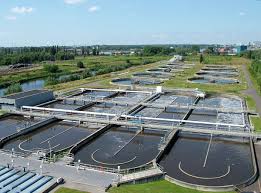
Nutrient removal in an industrial WWTP controls nitrogen and phosphorus before discharge or reuse. Select the system from ammonia, total nitrogen, nitrate, orthophosphate, total phosphorus, available COD, alkalinity, temperature, effluent targets, and flow variation—not from one ammonia or phosphate result alone.
PT Beta Pramesti Asia, through beta.co.id, designs and supports industrial wastewater programmes in Indonesia that combine biological zones, aeration, recycle, carbon or alkalinity where required, phosphorus precipitation, solids separation, dosing, instrumentation, and sludge control.
Which processes remove nitrogen and phosphorus?
Nitrogen and phosphorus occur in several forms requiring different mechanisms. Nitrification converts ammonia to nitrate under aerobic conditions; denitrification converts nitrate to nitrogen gas under anoxic conditions. Phosphorus can be taken up biologically and removed with sludge, or precipitated chemically and separated.
| Target or test result | Process to evaluate | Controlling data |
|---|---|---|
| Ammonia remains high | Aerobic nitrification | Ammonia load, DO, temperature, pH, alkalinity, SRT, and inhibition |
| Nitrate is high after nitrification | Anoxic denitrification | Nitrate, readily biodegradable COD or carbon source, recycle, mixing, and DO carryover |
| Total nitrogen remains high | Nitrogen fractionation and mass balance | Organic N, ammonia, nitrite, nitrate, side streams, and solids |
| Orthophosphate is high | EBPR or chemical precipitation | Phosphate, pH, alkalinity, interfering ions, dose, and floc separation |
| Total phosphorus is high but orthophosphate is low | Solids control and sample digestion review | TSS, sludge carryover, sample filtration, and sample point |
Start design from mass load: concentration (mg/L) × flow (m³/day) ÷ 1,000 = kg/day. Use normal and peak loads so aeration capacity, zone volume, recycle, and dosing are not assessed from average concentration alone.
How should biological, chemical, or combined treatment be selected?
Biological processes can address nitrogen and part of the phosphorus load where zone configuration, biomass, carbon, alkalinity, and retention time are adequate. Chemical precipitation can be the primary or polishing step for phosphorus, but it adds chemical sludge and requires correct mixing and floc separation.
| Project condition | Route to test | Verification before selection |
|---|---|---|
| New WWTP with N and P targets | Anaerobic-anoxic-aerobic configuration or a variant | Treatability, load profile, volume, aeration, recycle, and sludge handling |
| Existing aerobic plant fails nitrification | Restore process conditions before expansion | DO, SRT, pH, alkalinity, temperature, toxicity, and load |
| Nitrate is high but carbon is limited | Recycle optimisation or controlled carbon source | Demand test, injection point, residual COD, and safety |
| Tight phosphorus target | EBPR, coagulant, or a combined route | Jar test, sludge production, residuals, and water quality |
| Highly variable load | Equalisation and feed-forward control | Hourly profile, batch sources, alarms, and buffer capacity |
For biological-train selection, review the industrial aerobic wastewater system. If phosphorus precipitation is needed, test wastewater coagulants and confirm that floc can separate in a clarifier or DAF. Biomass nutrients are a different question: use biological-process nutrients only when a C:N:P balance shows a deficiency, not to “remove” nutrients.
What should be checked when nutrient removal fails?
| Symptom | First checks | Evaluation response |
|---|---|---|
| Ammonia rises | DO, pH, alkalinity, temperature, SRT, load, and inhibitors | Restore nitrification conditions before adding products at random |
| Nitrite accumulates | DO, pH, alkalinity, load change, and toxicity | Review the stability of both nitrification steps |
| Nitrate does not fall | Carbon, anoxic mixing, recycle, and DO carryover | Test carbon limitation and recycle configuration |
| Phosphorus rises | Anaerobic zone, nitrate recycle, sludge wasting, coagulant, and floc separation | Separate biological failure from solids-separation failure |
| Total and fractions conflict | Sample point, timing, preservation, filtration, and method | Repeat comparable sampling before changing operation |
Frequently asked questions about nutrient removal
Does more aeration always reduce ammonia?
No. Nitrification also needs adequate biomass age, suitable pH and alkalinity, appropriate temperature, and freedom from severe inhibition. Excess aeration can carry DO into the anoxic zone and interfere with denitrification.
Can a coagulant remove nitrogen?
Coagulants mainly assist phosphorus and selected solids; they do not replace nitrification-denitrification for dissolved nitrogen. Determine the nutrient fractions before choosing chemicals.
Which data are needed for an evaluation?
Send the process diagram, volumes and recycle, normal/peak flow, ammonia, TN, nitrite, nitrate, orthophosphate, TP, COD/BOD, alkalinity, pH, DO, temperature, MLSS/SRT, sludge, dosing, and effluent targets through the Beta contact page.