

water wastewater
Water Treatment Chemicals Indonesia | Beta Pramesti
Water treatment chemicals in Indonesia for WTP, WWTP, clarification, DAF, sludge dewatering, and biological treatment, with jar tests and site review.
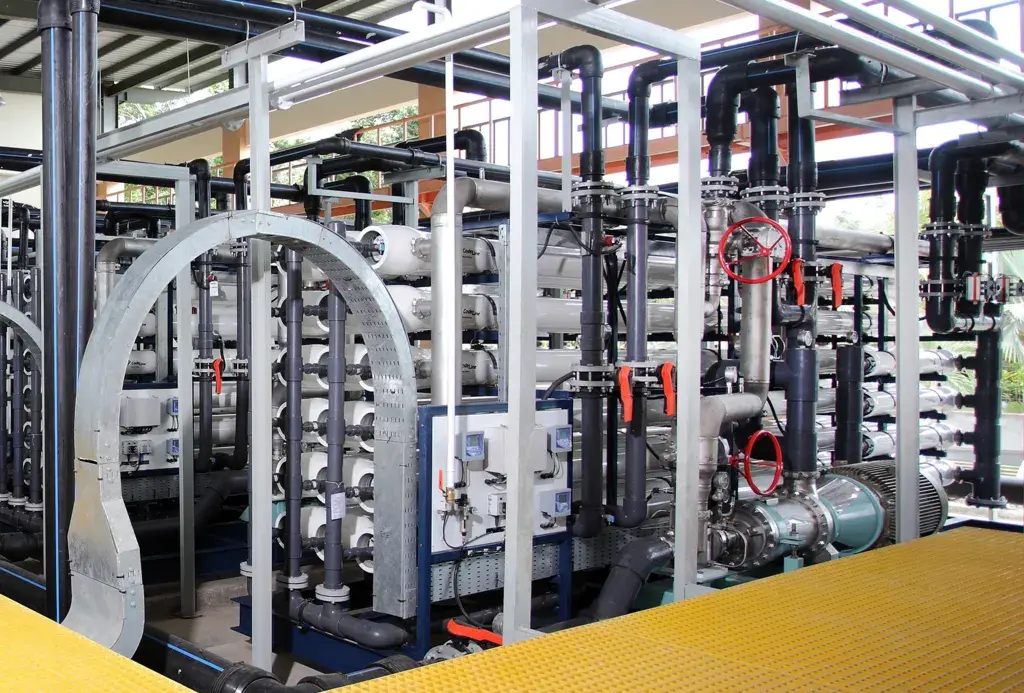
Water and Wastewater Treatment Chemicals
PT Beta Pramesti Asia supplies water treatment chemicals in Indonesia for WTPs, WWTPs, clarifiers, DAF systems, biological treatment, and sludge dewatering. A programme can include coagulants, flocculants, PAC, pH adjustment, dechlorination agents, bacterial nutrients, antifoam, disinfectants, jar testing, and operating review.
For industrial WWTPs, chemical selection should not start from the product name alone. Wastewater data such as pH, TSS, COD/BOD, color, oil and grease, metals, flow, biological process condition, and discharge target should be checked so the coagulant, flocculant, nutrient, or support product matches the actual problem.
Technically reviewed: 5 August 2026.
What is included in a water and wastewater chemical program?
Clean-water chemicals are usually used for raw water, process water, and polishing before water enters production. Wastewater chemicals are used to reduce pollutant load before discharge, reuse, or further treatment.
| Operator need | Relevant product or program | Data to check |
|---|---|---|
| Turbid raw water or high TSS | Coagulants, flocculants, PAC, alum, or ferric chloride | pH, turbidity/TSS, alkalinity, jar test results |
| Industrial wastewater with color, oil, or grease | Coagulants, flocculants, DAF, and oil-water separation | pH, COD, TSS, oil and grease, emulsion stability |
| Unstable biological WWTP | Bacteria and nutrient, pH adjustment, antifoam, and process control | COD/BOD, DO, pH, nutrients, sludge age, daily loading |
| Excess chlorine residual | Dechlorination agent | free chlorine, total chlorine, flow, contact time |
| Sludge is hard to separate or too wet | Sludge treatment and dewatering flocculants | dry solids, polymer demand, dewatering equipment type |
When is jar testing or a site trial needed?
Jar testing is needed when wastewater quality changes, clarifier performance is unstable, DAF carries too many fine solids, sludge dewatering consumes too much polymer, or TSS/COD targets are not being met. The result helps define product type, starting dosage, injection sequence, dilution need, and dosing point.
The U.S. EPA jar-test reference describes jar testing as a bench-scale simulation of coagulation, flocculation, and sedimentation and notes that the procedure is site-specific. Use a representative sample, then confirm the result in a controlled plant trial.
For chemical injection equipment, see Beta dosing pumps or Watermart dosing pumps for water treatment. For physical separation units, see DAF and clarifiers.
Compare chemical quotations on the same treatment basis and cost
Compare programmes against the same water data, performance target, work boundary, and total treatment cost. Price per kilogram is not enough when product concentration, tested dose, equipment needs, monitoring, and sludge production differ.
| Quotation evidence | Details to check | Buyer decision supported |
|---|---|---|
| Problem basis | Water analysis, normal and peak flow, production variation, operating symptoms, and outlet target | Confirms that the product addresses the cause rather than one symptom |
| Product identity | Name or grade, function, concentration, TDS, SDS, CoA, packaging, and storage | Compares quality and receiving requirements |
| Dose basis | Sample, test method, dose range, injection sequence, dilution, and dosing point | Converts product price into chemical cost per m³ |
| Monitoring plan | Parameters, sample points, frequency, warning limits, and corrective actions | Defines how programme performance will be demonstrated after start-up |
| Service and supply scope | Calibration, commissioning, visits, reporting, lead time, safety stock, and logistics | Compares operating risk and complete programme cost |
For coagulation duties, compare the BETAGARD PAC series, industrial coagulants, and flocculants for solids separation. Send the baseline data through the Beta contact page so the test and quotation scope can be defined.
How should a WWTP chemical programme be accepted after start-up?
A WWTP chemical programme is accepted when actual dose, effluent quality, sludge production, and operating stability match the agreed baseline. Acceptance should use before-and-after data at comparable flow and load, not only a floc photograph or one sample result.
| Acceptance evidence | How to read it | Action if it misses the target |
|---|---|---|
| Actual dose and daily consumption | Match pump setting, drawdown, flow, and solution concentration | Recalibrate dosing and check the injection point |
| TSS, turbidity, COD, colour, or oil and grease | Compare with the process target and feed condition when sampled | Repeat jar testing or change coagulant-flocculant sequence if chemistry is the cause |
| Sludge volume and character | Check dry solids, dewatering behaviour, and polymer demand | Normalise cost to tonnes of dry solids, not product kilograms alone |
| Stability across shifts | Review flow, pH, production variation, and operator settings | Set alarms, sampling frequency, and correction response |
Frequently Asked Questions
Who supplies wastewater treatment chemicals for industry in Indonesia?
PT Beta Pramesti Asia supplies industrial water and wastewater treatment chemical programs in Indonesia, including coagulants, flocculants, PAC, bacteria nutrients, dechlorination agents, antifoam, and sludge treatment for WTPs, WWTPs, DAF systems, clarifiers, and biological processes.
What is the difference between a coagulant and a flocculant in a WWTP?
A coagulant helps neutralize the charge of fine particles so they begin to combine. A flocculant helps those particles form larger flocs that are easier to separate through sedimentation, DAF, filtration, or dewatering.
What data should be prepared before selecting WWTP chemicals?
Prepare pH, TSS, COD/BOD, color, oil and grease, relevant metals, flow, effluent target, process type, and the visible operating problem in the clarifier, DAF, aeration basin, or sludge dewatering unit.
How can a plant request a chemical program review?
Send operating data and problem details to the Beta team through contact. The team can help review jar testing needs, product selection, dosing point, and how the chemical program fits the existing process units.