

biological
Moving Bed Bioreactor (MBBR) System | Beta Pramesti Asia
Moving bed bioreactor (MBBR) system for industrial wastewater: compare carrier data, retrofit scope, aeration, COD-ammonia loads, and effluent target.
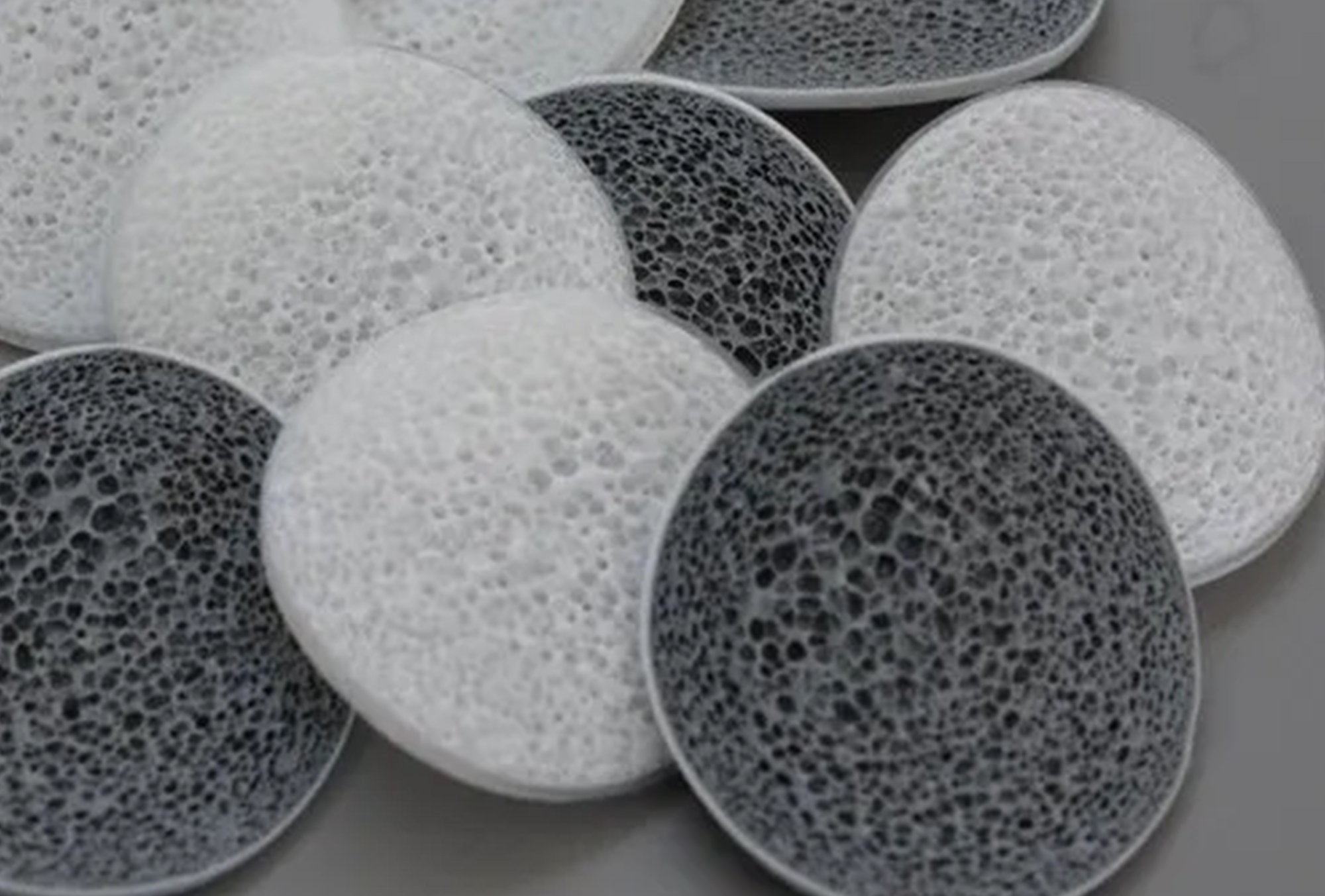
A moving bed bioreactor (MBBR) uses mobile biofilm media in an aerated reactor to treat organic load or ammonia in wastewater. Selection must follow flow, influent characteristics, BOD/COD and nitrogen loads, effluent targets, reactor volume, aeration, media retention, and downstream solids separation.
PT Beta Pramesti Asia supplies Betaqua MBBR media made from porous polyurethane foam cubes impregnated with activated carbon. The product data on this page states a BET surface area above 20,000 m²/m³, porosity above 90%, and a fill level of 10-15% of reactor volume; those values must not be transferred to another carrier without verification.
Before selecting the process, use the CAS, MBBR, and MBR guide for industrial wastewater to compare influent data, footprint, oxygen demand, sludge handling, operator capability, and pilot-test gates.
Design data needed for an industrial MBBR system
| Data | Design impact |
|---|---|
| Daily and peak flow profile | Establishes equalisation, hydraulic volume, and pump capacity |
| BOD, COD, TSS, oil, and inhibitory compounds | Defines pretreatment and the organic load reaching the biofilm |
| Ammonia, total nitrogen, alkalinity, pH, and temperature | Defines nitrification, oxygen, and chemical-adjustment requirements |
| Effluent target and reuse or discharge route | Defines downstream clarification, polishing, or membranes |
| Existing tanks, blowers, diffusers, screens, and space | Determines retrofit feasibility and additional equipment |
What is being purchased: MBBR media, a retrofit, or a complete system?
An MBBR media requirement does not always mean purchasing a complete treatment plant. Buyers should separate media supply, an existing-reactor upgrade, and a new system because their design scope, performance obligations, equipment, installation, and commissioning differ. Where membrane solids separation is required, also compare an MBR system, not just the biological carrier.
| Procurement scope | Condition worth evaluating | Data and deliverables to request |
|---|---|---|
| MBBR media | Reactor, aeration, retention screens, and solids separation are already adequate | Media identity, quantity, fill basis, screen compatibility, working weight, and replacement plan |
| Reactor retrofit | A tank can be retained but biological capacity, nitrification, mixing, or stability needs improvement | Tank survey, load balance, blower/diffuser check, media retention, piping changes, and transition plan |
| New MBBR system | Influent data and effluent targets require a new process train | Design basis, pretreatment, reactor volume, aeration, instrumentation, solids separation, sludge route, and acceptance test |
For a retrofit or new WWTP, compare DAF pretreatment, MBR solids separation, and Biological Booster for biological startup. Send the process data through the Beta contact page.
Process functions that require verification
- Organic-load removal and nitrification in industrial wastewater.
- Upgrading an activated-sludge reactor that remains suitable for service.
- Biological nutrient removal with process zones and carbon sources designed for the target.
- Municipal, aquaculture, or industrial-estate wastewater after the influent has been characterised.
- Other applications only after treatability, oxygen demand, and inhibitory compounds are verified.
Betaqua MBBR media specification
| Specification | Product data |
|---|---|
| Shape | Cuboid |
| Material | Reticulated polyether-based PU foam impregnated with activated carbon |
| Specific gravity | 1.1 g/cm³ |
| Weight | 27-30 kg/m³ dry; 65-80 kg/m³ colonised and wet |
| Surface area | >20,000 m²/m³, BET method |
| Porosity | >90% |
| Stated fill level | 10-15% of reactor volume |
The table contains Betaqua product data published on this page, not universal design values. Final media quantity must follow the load, reactor condition, aeration, media retention, and project verification.
How to compare MBBR media on a like-for-like basis
An MBBR carrier’s surface-area figure is comparable only when the measurement method is stated. This page reports Betaqua surface area using the BET method; that figure must not be treated as equivalent to effective or protected surface-area values from products that use a different measurement basis.
| Comparison data | What to request from the supplier | Effect on the decision |
|---|---|---|
| Surface-area method | Method name, unit, and which pores or surfaces are counted | Prevents a comparison of brochure figures based on different definitions |
| Working media condition | Dry weight, colonised wet weight, porosity, and fill level | Tests structural load, mixing, media volume, and handling requirements |
| Reactor integration | Media dimensions, retention screens, aeration, drains, and solids route | Confirms the media can be retained and moved without upsetting downstream units |
| Performance basis | Influent load, temperature, pH, organic or ammonia target, and test duration | Separates product data from performance evidence under comparable project conditions |
MBBR applications to evaluate
- Pulp and paper — Evaluate biodegradability, inhibitory compounds, organic loading, oxygen demand, and pretreatment before selecting MBBR.
- Food and beverage — Map peak organic loads, fats and oils, equalisation, and any DAF requirement ahead of the biological reactor.
- Municipal wastewater — Check tank condition, aeration, screens, actual loading, nitrogen targets, and solids-separation capacity before a retrofit.
- Pharmaceutical and chemical plants — Treatability or pilot testing is needed where inhibitory compounds occur or wastewater composition changes by batch.
- Aquaculture and RAS — Design nitrification from ammonia load, temperature, alkalinity, oxygen, circulation, and species-specific water-quality limits.
- Industrial estates and CETPs — Variable sources require equalisation, toxicity monitoring, and clear influent-acceptance limits.
Compatible products and processes
- Membrane Bio Reactors (MBR) — Compare MBR where the effluent target calls for membrane solids separation and the facility can manage fouling and cleaning.
- Dissolved Air Flotation (DAF) — Evaluate DAF before MBBR where fats, oils, or coarse solids should be reduced ahead of biological treatment.
- Betaqua Ultrafiltration — Consider UF polishing only after defining the reuse target, feed quality, flux basis, and cleaning plan.
Installation and commissioning context
The product data on this page states a Betaqua MBBR media fill of 10-15% of reactor volume. Applying it to an existing tank still requires verification of hydraulic volume, mixing, oxygen supply, retention screens, drain points, and downstream solids separation. Sludge-return requirements depend on process configuration; the carrier does not remove the need to manage biological solids.
Commissioning covers mechanical checks, media loading, biofilm development, gradual load increases, and effluent verification. Acclimatisation time should not be promised without considering biomass source, temperature, pH, alkalinity, load, inhibitory compounds, and the treatment objective.
FAQ
When is an MBBR system suitable for a WWTP retrofit?
MBBR is worth evaluating when an aeration tank remains usable but more retained biomass or nitrification capacity is needed. The review must still cover aeration, media mixing, retention screens, actual loading, and downstream solids separation.
Is MBBR media enough to build a wastewater treatment plant?
No. Media is one component of the biological reactor. The plant still needs flow management, influent-appropriate pretreatment, aeration, media retention, solids separation, sludge handling, instrumentation, and effluent verification.
What data is needed before requesting an MBBR quotation?
Prepare average and peak flow, influent analysis and effluent targets, tank dimensions, blower and diffuser details, a process diagram, space constraints, and operating-problem records. Actual data helps distinguish a media requirement from a retrofit or a complete new system.
Technical reference: a U.S. EPA nutrient-removal technology report describes MBBR as a moving-carrier biofilm process with carriers retained by screens. Accessed 27 July 2026; carrier and loading data must still be verified for each project.