

cooling tower
Cooling Tower Chemical Indonesia
Cooling tower chemicals for scale, corrosion, biofilm, and fouling control in Indonesia, with water-data review, dosing, monitoring and field support.
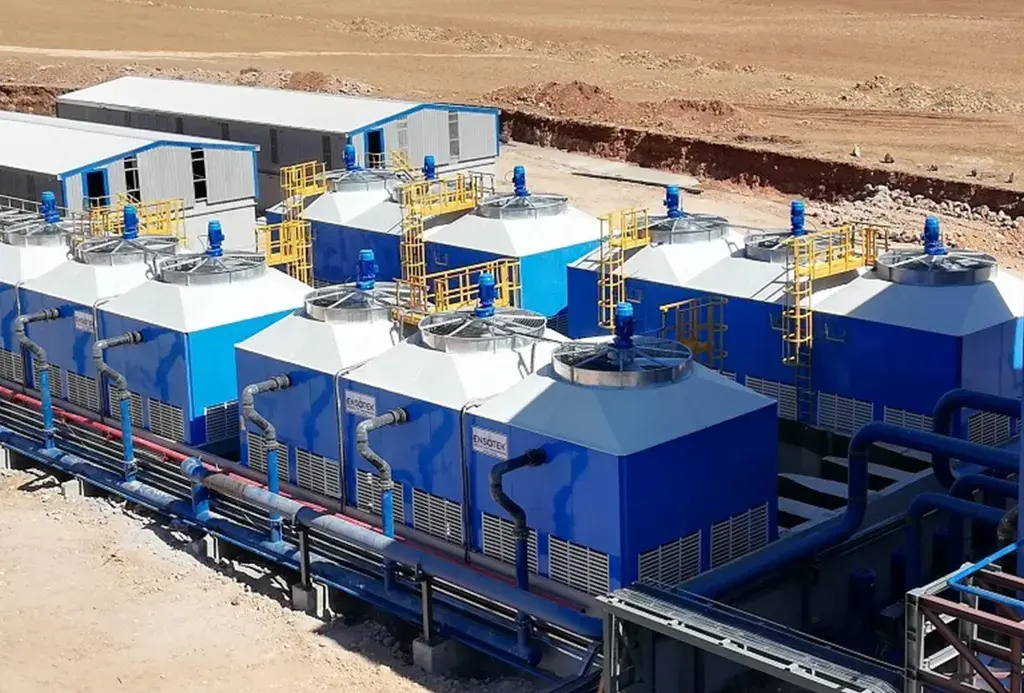
Short Answer
PT Beta Pramesti Asia, operating through beta.co.id, supplies cooling tower chemicals and cooling-water treatment programs in Indonesia to control scale, corrosion, biofilm, and fouling. Product selection should follow water analysis, operating conditions, system metallurgy, and microbiological evidence—not a product name alone.
A suitable program normally combines scale inhibitor, corrosion inhibitor, biocide, dispersant, tower cleaning, dosing pumps, conductivity or pH monitoring, and make-up water review. Relevant inputs include hardness, alkalinity, chloride, silica, pH, temperature, cycle of concentration, system metallurgy, and microbiological condition.
For product programs, see Betagard Cooling Tower Chemicals, biocides, corrosion inhibitors, scale inhibitors, dispersant chemicals, and cooling tower cleaning service. For chemical injection equipment, see Beta dosing pumps or Watermart dosing pumps.
When are cooling tower chemicals needed?
| Buyer question | Field symptom | Program usually reviewed | Data to check |
|---|---|---|---|
| Who supplies cooling tower chemicals in Indonesia? | The cooling system needs routine chemical treatment, monitoring, and technical support | Betagard cooling tower chemicals, dosing pumps, test kits, and application service | Make-up water quality, system volume, flow, temperature, and target cycle of concentration |
| How do I prevent scale in a cooling tower? | White deposit, rising pressure drop, reduced heat transfer, or frequent blowdown | Scale inhibitor and dispersant | Hardness, alkalinity, silica, TDS, pH, LSI/RSI, and operating temperature |
| How do I reduce corrosion in condensers and piping? | Rust, leakage, iron pickup, or high coupon corrosion rate | Corrosion inhibitor and pH control | Chloride, sulfate, dissolved oxygen, pH, metallurgy, and corrosion coupon result |
| When is a cooling tower biocide needed? | Slime, algae, odour, biofilm, or high microbiology result | Oxidising or non-oxidising biocide, with biodispersant where needed | TPC, ORP, oxidant residual, pH, temperature, and dosing pattern |
| When is cleaning service needed? | Hard deposit, basin sludge, dirty fill, or chemical treatment no longer restores control | Mechanical cleaning, chemical cleaning, then chemical program reset | Inspection photos, deposit area, sludge volume, tower material, and shutdown plan |
What a cooling tower chemical program includes
- Scale and deposit control - scale inhibitor and dispersant to help limit calcium carbonate, calcium sulfate, silica, and suspended-solids deposits.
- Corrosion control - corrosion inhibitor to help protect steel, copper, alloys, piping, condensers, basins, and heat exchangers from aggressive circulating water.
- Microbiological control - oxidising or non-oxidising biocide to control bacteria, algae, fungi, biofilm, and slime that interfere with heat transfer.
- Dosing and monitoring - dosing pumps, conductivity control, pH, ORP, chemical residual, field tests, and application visits to keep the program stable.
- Cleaning and reset - cooling tower cleaning when deposit, sludge, or biofilm has built up and the chemical program needs a cleaner starting condition.
How should make-up water changes be reviewed?
Make-up water changes should be connected directly to cycle limits, scale risk, and chemical dose. If hardness, alkalinity, silica, chloride, or TDS moves away from baseline, the cooling tower chemical program should be reviewed before heavy deposit, corrosion, or biofilm appears.
| Make-up water change | Main risk | Programme response |
|---|---|---|
| Hardness or alkalinity increases | Calcium carbonate scaling accelerates at higher temperature | Check blowdown target, scale inhibitor, and cycle-of-concentration limit |
| Silica increases | Silica deposits become difficult to clean after formation | Reduce recovery/cycles where needed and validate saturation limits |
| Chloride or sulfate increases | Corrosion risk rises on steel, copper, or alloys | Review corrosion inhibitor, system metallurgy, and pH control |
| TSS or turbidity increases | Fill fouling, basin sludge, and biocide demand increase | Evaluate filtration, dispersant, basin cleaning, and blowdown frequency |
Data to prepare before recommendation
Prepare make-up water and circulating water data, including pH, conductivity, TDS, hardness, alkalinity, chloride, sulfate, silica, iron, turbidity, temperature, cycle of concentration, and microbiology results if available. Cooling tower capacity, open or closed system type, condenser metallurgy, blowdown pattern, and chemical injection points also help Beta recommend a program that is neither overdosed nor underdosed.
How is a cooling tower chemical program verified?
A chemical program is verified by trends, not by chemical consumption alone. The operating team should compare make-up and circulating-water chemistry, cycle of concentration, inhibitor or oxidant residual, corrosion evidence, microbiology results, exchanger approach temperature or pressure drop, and physical inspection. Each measurement needs an agreed range, frequency, owner, and response when the result moves outside control.
| Control objective | Leading checks | Physical or performance evidence | Typical response to an adverse trend |
|---|---|---|---|
| Limit mineral scale | Conductivity, hardness, alkalinity, silica, pH, and cycle of concentration | Deposit inspection, exchanger approach temperature, and pressure drop | Confirm blowdown control, water data, inhibitor feed, and the current saturation risk |
| Limit corrosion | pH, inhibitor residual where applicable, iron trend, and corrosion coupons or probes | Rust, pitting, leaks, metal loss, and fouling by corrosion products | Check metallurgy, oxidant exposure, oxygen ingress, inhibitor feed, and contamination |
| Control microbiology | Oxidant residual or ORP where applicable, microbiology tests, and dosing record | Slime, algae, odour, biofilm, basin sediment, and fill condition | Check biocide delivery, demand, contact conditions, biodispersant need, and cleaning scope |
| Control water use | Make-up, blowdown, conductivity, and cycle of concentration | Overflow, drift, leaks, fouling, and unstable control-valve operation | Reconcile the water balance, probe calibration, valve operation, and chemistry limits |
The CDC’s January 2025 cooling tower control guidance identifies scale, corrosion, sediment control, system cleaning, and monitored disinfectant residual as critical parts of cooling tower operation. Legionella risk management requires a site water-management and health-and-safety program; a chemical product page is not a substitute for that program.
For continuous operating visibility, review Betaqua Sentinel CTS cooling tower monitoring. Monitoring equipment supports decisions, but sampling methods, sensor calibration, alarm limits, and corrective actions still need to be defined for the system.
Common Questions
What are cooling tower chemicals?
Cooling tower chemicals are treatment chemicals and monitoring programs used to keep circulating cooling water under control for scale, corrosion, fouling, and microbiological growth. The program is usually not a single product; it combines inhibitors, biocide, dispersant, dosing, and field testing.
Is biocide alone enough for a cooling tower?
Not always. Biocide helps control microorganisms, but it does not solve mineral scale, corrosion, or suspended solids. A troubled system is normally reviewed together with scale inhibitor, corrosion inhibitor, dispersant, blowdown control, and the physical cleanliness of the tower.
How should I choose a cooling tower chemical supplier in Indonesia?
Choose a supplier that can read water data, understand cooling tower operating risks, provide a complete chemical program, and support field monitoring. PT Beta Pramesti Asia handles cooling tower chemical programs for industrial cooling systems in Indonesia through Betagard products and application engineer support.
When should I contact Beta?
Contact Beta when a cooling tower starts showing scale, corrosion, slime, biofilm, reduced chiller efficiency, high make-up water use, or the need for a new chemical dosing program. Include water analysis results and system information so the first recommendation is more precise.