

cooling tower
Hydrochem Cooling Tower Chemicals | Beta Pramesti Asia
Hydrochem cooling tower chemicals for scale, corrosion, microbiology, deposits, pH, and foam control based on water data and industrial system operation.
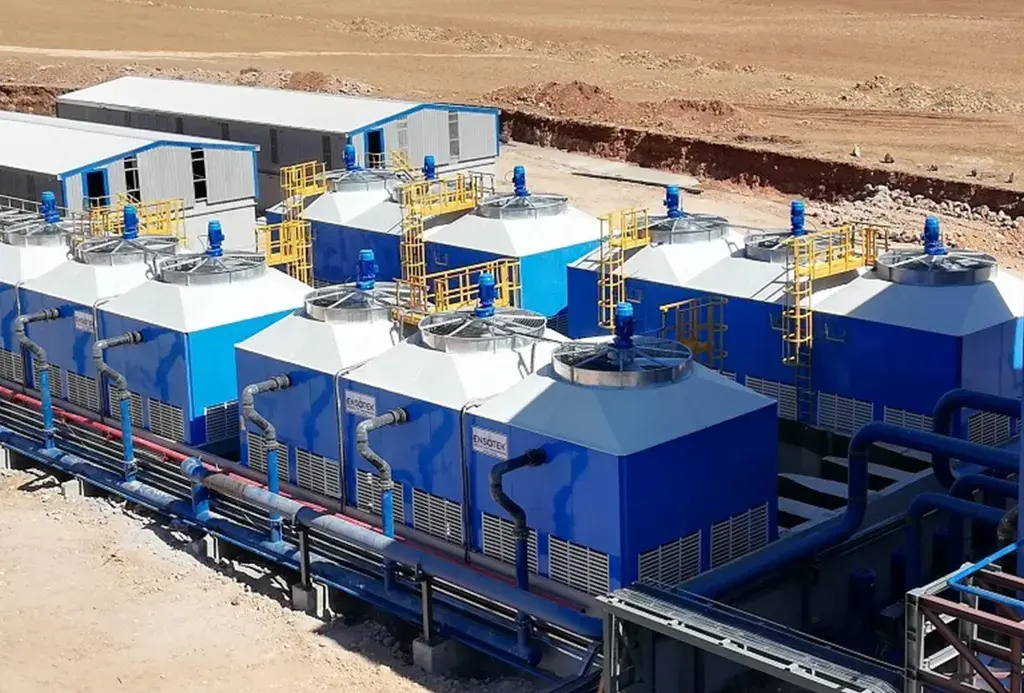
Short Answer
Hydrochem cooling tower chemicals include corrosion/scale inhibitor, biocide, dispersant, pH adjustment, and antifoam functions. A programme is not a fixed bundle: make-up water quality, cycles of concentration, temperature, materials, solids load, microbiological condition, blowdown, and operating pattern determine which functions are needed and how results should be proved.
PT Beta Pramesti Asia, through beta.co.id, supplies the Hydrochem range and supports industrial cooling tower programme review in Indonesia. This page maps Hydro 1100, 1200, 1300, 1400, and 1500 by function. Dosage, compatibility, residuals, and operating limits must follow water analysis, current TDS/SDS documents, site procedures, and OEM guidance.
The CDC cooling tower guidance updated on January 3, 2025 places scale, corrosion, sediment, cleaning, disinfectant, blowdown, and monitoring controls within a water management programme. A product list therefore needs control parameters, alarms, records, and corrective actions.
Which function should be evaluated?
| System finding | Hydrochem function to evaluate | Minimum data | Acceptance evidence |
|---|---|---|---|
| Scale or corrosion on heat exchangers and piping | Hydro 1100 corrosion and scale inhibitor | Hardness, alkalinity, silica, chloride, pH, temperature, materials, and cycles of concentration | Residual, conductivity, corrosion-rate, and deposit-inspection trends |
| Slime, algae, or biofilm | Hydro 1200 broad-spectrum biocide | Microbiology results, disinfectant residual, pH, temperature, dead legs, and organic load | Residual meets the label/program and microbiology and cleanliness trends improve |
| Suspended solids or soft deposits | Hydro 1300 dispersant/deposit control | TSS, turbidity, iron, blowdown pattern, flow velocity, and deposit location | Solids remain dispersed and can leave without increasing downstream fouling |
| pH outside the programme range | Hydro 1400 pH adjustment | Makeup/circulating pH, alkalinity, other chemicals, materials, and sensor calibration | pH remains in the approved range without disrupting inhibitor or biocide performance |
| Foam disrupts basin or operation | Hydro 1500 antifoam | Surfactant source, foam type, microbiology, product dose, and mechanical condition | Foam falls without masking the cause, adding deposits, or harming discharge treatment |
Hydrochem cooling tower products
Hydro 1100 — corrosion inhibitor and scale controller
Hydro 1100 is a liquid formulation intended to help prevent corrosion and scale formation in cooling tower systems. Define residual testing, material compatibility, and deposit evidence before fixing the field dose.
Hydro 1200 — broad-spectrum biocide
Hydro 1200 is a liquid biocide intended to help control bacteria, algae, and other microorganisms in cooling systems. Use it according to the label, SDS, contact time, residual target, and the site’s water management programme.
Hydro 1300 — dispersant and deposit control
Hydro 1300 helps keep suspended particles dispersed so they can leave through blowdown or suitable separation. Read performance alongside solids load, hydraulics, filtration, and surface condition.
Hydro 1400 — pH adjustment
Hydro 1400 is used to adjust circulating-water pH. The setpoint must suit materials, inhibitor, biocide type, scale potential, and discharge permits; do not change it without checking the whole programme.
Hydro 1500 — antifoam
Hydro 1500 helps control excessive foam. Antifoam does not replace diagnosis of surfactants, process contamination, overfeed, or microbiological upsets that cause recurring foam.
Data needed before requesting a programme
Prepare the tower type and quantity, system volume and circulation flow, heat load, inlet/outlet temperatures, make-up and circulating-water quality, cycles of concentration, blowdown, materials, microbiology results, current programme and doses, injection points, residual results, and records of scale, corrosion, slime, deposits, or foam.
Compare these functions with the Betagard cooling tower chemical programme, biocides, corrosion inhibitors, and dispersants. For injection hardware, see Watermart dosing pumps.
Frequently Asked Questions
Can one product control every cooling tower problem?
Not always. Scale, corrosion, microbiology, deposits, pH, and foam each have different evidence and control parameters. A multifunctional product still needs data and methods that prove every claimed function.
Can a biocide be selected from visible slime alone?
No. Relate slime to microbiology results, biofilm, dead legs, temperature, pH, residuals, and mechanical cleanliness. Biocide selection and application must follow the label, SDS, and the site’s water management programme.
How can I request a Hydrochem cooling tower chemical review?
Send the system data, water analyses, monitoring trends, current products and doses, and photographs or inspection results through the Beta Pramesti Asia contact page. The technical team will assess evidence completeness before comparing functions and a field-trial plan.