

boiler
Boiler Chemical Cleaning Service | Beta Pramesti Asia
Industrial boiler chemical cleaning: deposit review, controlled method, rinsing, neutralisation, inspection, and a preventive treatment plan for site.
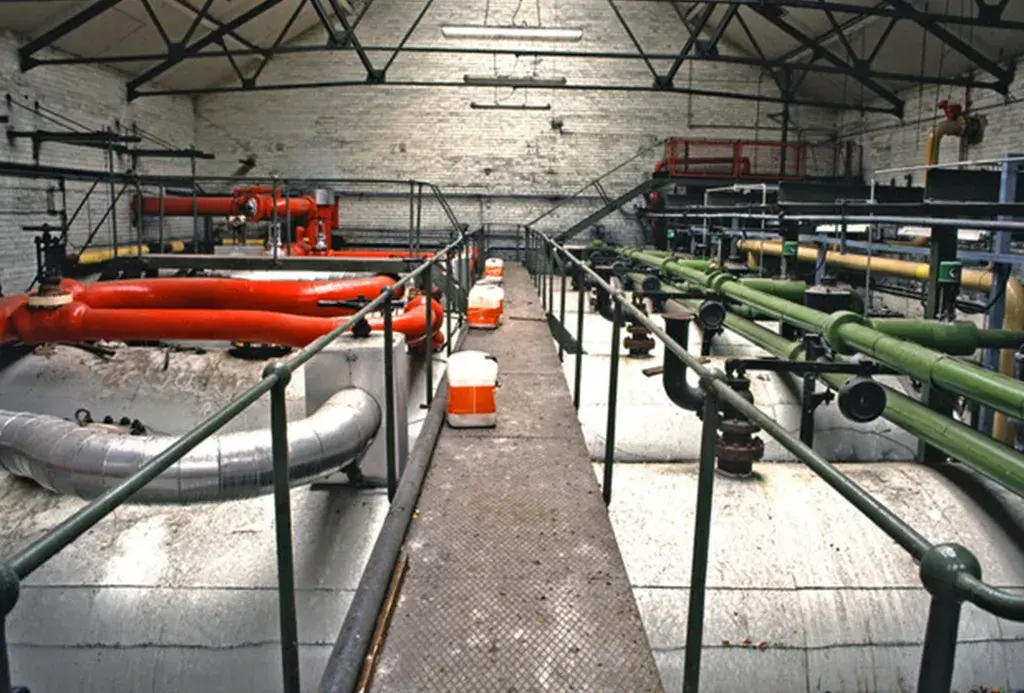
PT Beta Pramesti Asia provides chemical cleaning services for industrial boilers in Indonesia. The service removes waterside scale, corrosion products, and process deposits through a controlled offline procedure selected from deposit evidence, boiler metallurgy, operating history, and site constraints—not from a generic acid recipe.
When does a boiler need chemical cleaning?
Chemical cleaning should be considered when inspection or operating data shows a deposit that routine blowdown and preventive treatment cannot control. Typical triggers include visible waterside scale, restricted circulation, rising tube-metal temperature, declining heat transfer, or commissioning residue. The U.S. Department of Energy explains that waterside scale acts as insulation and retards boiler heat transfer in its boiler heat-transfer guidance.
Cleaning is not automatically the first response to every efficiency problem. PT Beta Pramesti Asia reviews water analysis, deposit samples, inspection findings, pressure and temperature trends, previous cleaning records, and boiler material before defining the method. This separates deposits that can be dissolved chemically from loose debris better removed by flushing or mechanical work. It also establishes how spent solution, rinsate, and neutralisation will be handled under the plant’s safety and environmental procedures.
| Evidence at the plant | What it may indicate | What should be confirmed |
|---|---|---|
| Hard mineral layer on waterside surfaces | Scale from hardness, silica, or other dissolved solids | Deposit analysis, feed-water quality, boiler-water results, and treatment history |
| Rust-coloured or black deposit | Iron oxide or corrosion products | Deposit composition, oxygen ingress, deaerator performance, pH, and metallurgy |
| Oil or process contamination | Condensate return or process ingress | Contamination source, affected circuits, compatibility, and pre-cleaning needs |
| Deposit after fabrication or major repair | Mill scale, welding debris, grease, or preservation residue | Commissioning specification, surface condition, and acceptance criteria |
What is included in a boiler chemical cleaning service?
The exact scope is project-specific, but a controlled service normally covers the following stages:
- Survey and sampling. Review drawings, boiler volume, accessible circuits, materials, isolation points, deposit samples, water results, and previous treatment records.
- Method and safety plan. Select the cleaning sequence, circulation arrangement, temperature range, monitoring points, acceptance criteria, PPE, containment, and waste route.
- System isolation and pre-flush. Confirm lockout, drain or isolate the circuit, remove loose solids, and establish temporary circulation where required.
- Controlled cleaning. Circulate the selected cleaner while monitoring the parameters defined in the procedure. Cleaner strength and exposure time depend on deposit and metallurgy.
- Rinse, neutralise, and passivate where required. Remove cleaning residue and stabilise the cleaned surface according to the agreed method.
- Inspection and handover. Record the result, identify unresolved areas, and define restart checks and the preventive water-treatment follow-up.
Which hold points should be approved before return to service?
The facility owner and service provider should agree the hold points, evidence, and sign-off responsibility before work starts. Chemical cleaning is not complete merely because the circulation time elapsed; unit release should follow the method criteria, rinse results, inspection, restored isolations, and a documented startup plan.
| Hold point | Minimum evidence | Joint decision |
|---|---|---|
| Method release | Deposit analysis, metallurgy, circuit volume, isolations, chemical compatibility, temporary-equipment arrangement, and spent-solution/rinsate route | Approve the method or hold until missing evidence is available |
| Before chemical charging | LOTO, leak test, checked instruments, containment, emergency communication, and initial-condition samples | Authorise charging or correct site readiness |
| Cleaning endpoint | Trends for the method-defined parameters, solution/sample condition, actual time and temperature, and intermediate inspection where available | Continue, correct, or stop against the agreed criteria |
| Rinse and neutralisation | Procedure-required rinse results, no loose residue that obstructs operation, and evidence that solutions followed the site handling route | Proceed to inspection or repeat the stage that did not pass |
| Return to service | Final inspection, punch list, restored valves/isolations, fill-water quality, protective chemistry, and startup monitoring points | Accept, conditionally accept, or hold startup |
Chemical handling and waste decisions remain subject to the site’s approved risk assessment, safety data sheets, discharge conditions, and local requirements. Chemical cleaning should not be performed by selecting an acid solely from the deposit’s appearance.
Chemical cleaning or mechanical cleaning?
| Method | Best suited to | Main limitation |
|---|---|---|
| Chemical cleaning | Adherent waterside mineral scale, oxide deposits, or contamination that a compatible reagent can dissolve | Requires confirmed deposit chemistry, metallurgy checks, controlled exposure, neutralisation, and waste planning |
| Mechanical cleaning | Accessible loose or brittle deposits that can be removed by brushing, water jetting, or physical tools | Access may be limited and the method may not reach complex internal passages |
| Fireside cleaning or soot blowing | Soot and combustion-side fouling | Does not remove waterside scale and is a separate maintenance scope |
Some boilers require a combined sequence. Deposit evidence and access determine the method; cleaning frequency should follow condition and trend data, not a fixed annual rule.
Data that determines the service scope and quotation
A boiler chemical cleaning scope and quotation should use a shared design basis. A single price without deposit, volume, metallurgy, access, and battery limits does not reveal the actual chemical, temporary-equipment, labour, schedule, or waste-handling requirement.
| Data group | Information to prepare | Decision affected |
|---|---|---|
| Boiler and operation | Type, capacity, pressure, metallurgy, drawings, volume, and startup/shutdown history | Cleaning circuit, compatibility, isolation, and working temperature |
| Deposit condition | Photos, location, thickness, sample or analysis, and suspected contamination source | Method, sequence, cleaner, monitoring, and acceptance criteria |
| Site conditions | Shutdown window, access, utilities, drainage, scaffolding, and confined-space controls | Labour, temporary equipment, work sequence, and duration |
| Waste and handover | Rinsate route, neutralisation, containment, site requirements, inspection, and records | Handling volume, hold points, completion evidence, and follow-up |
For ongoing prevention after cleaning, review Betagard boiler chemicals, boiler cleaning chemicals, and the wider boiler water treatment program. Chemical injection can be supported with Beta dosing pumps or Watermart dosing pumps for water treatment.
Common questions
Can a boiler be chemically cleaned while operating?
Boiler waterside chemical cleaning is normally planned as an offline, isolated activity because the procedure needs controlled circulation, monitoring, rinsing, and inspection. The operating mode and isolation plan must be confirmed for the specific boiler.
How often should an industrial boiler be chemically cleaned?
There is no responsible universal interval. Inspection findings, deposit loading, heat-transfer trends, feed-water excursions, contamination events, and the boiler manufacturer’s requirements should determine timing.
What determines the cleaning chemical?
Deposit composition, boiler metallurgy, deposit thickness, geometry, temperature limits, circulation access, and waste route determine the chemistry and procedure. A deposit sample is more useful than choosing a cleaner from colour alone.
What proves that chemical cleaning is complete?
Completion evidence follows the approved procedure: endpoint trends, rinse or neutralisation results, inspection of accessible surfaces, punch-list status, and protective-chemistry readiness for filling. Elapsed circulation time or one pH result is not enough for handover.
How do I request a boiler cleaning assessment?
Send the available boiler data, water analysis, deposit evidence, shutdown window, and site constraints through the Beta contact page. The technical team can then define the information still needed before proposing a scope.