

boiler
Boiler Scale Control Chemicals | Beta Pramesti Asia
Boiler scale control chemicals manage deposits from hardness, silica, and dissolved solids. Review pretreatment, Betagard, monitoring, and trial data.
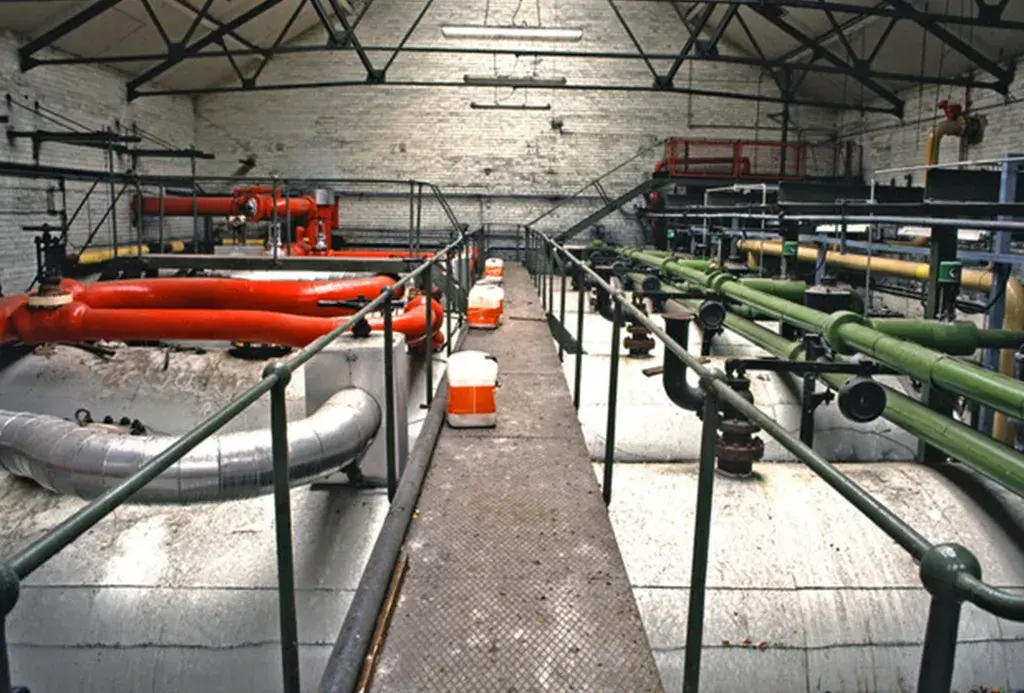
Boiler scale control combines pretreatment, internal chemicals, blowdown, and monitoring to keep deposits off heat-transfer surfaces. The program must match boiler pressure, feed-water quality, boiler-water test results, and deposit type; no single dose or operating limit is suitable for every system.
PT Beta Pramesti Asia, through beta.co.id, supplies Betagard boiler chemical programs in Indonesia. An evaluation starts with hardness, silica, pH, alkalinity, conductivity/TDS, treatment residual, blowdown rate, condensate condition, and deposit-inspection evidence.
What causes boiler scale?
Scale forms when deposit-producing ions and solids pass through pretreatment or concentrate inside the boiler until they precipitate on hot surfaces. Hardness, silica, corrosion products, condensate contamination, unsuitable pH, and uncontrolled blowdown should be investigated as one system.
| Deposit type | Data or signs to check | Program implication |
|---|---|---|
| Carbonate/hardness | Feed-water hardness, softener performance, white or hard deposit | Correct pretreatment and evaluate phosphate/polymer treatment |
| Silica/silicate | Feed- and boiler-water silica, operating pressure, hard deposit | Review demineralization/RO, boiler concentration, and OEM limits |
| Iron/corrosion products | Iron trend, condensate pH, dissolved oxygen, brown/red deposit | Find the corrosion source; scale inhibitor alone will not correct it |
| Sludge or dispersed solids | TSS, drum condition, blowdown pattern, soft deposit | Review dispersant, circulation, and sludge removal |
How is a boiler scale-control program selected?
An effective program controls the deposit source before water reaches the boiler and then manages the remaining contaminants inside the drum. Chemical selection cannot be separated from softener/demineralizer condition, injection point, dosing-pump accuracy, or blowdown strategy.
- Establish the water and operating baseline. Record pressure, load, capacity, makeup/feed-water quality, boiler-water results, condensate-return percentage, and blowdown trend.
- Check pretreatment. Verify the softener, demineralizer, or RO against the plant configuration and contaminant source.
- Select internal treatment from data. BETAGARD 2170, 2200, and 2250 are listed in the boiler water treatment chemical range; final product and dose must reflect pressure, water quality, and target residual.
- Stabilize injection and blowdown. Calibrate the pump, test interlocks, and connect operator responses to conductivity/TDS and other test trends.
- Verify the outcome. Track deposit changes, steam/condensate quality, chemical consumption, and surface condition during planned inspections.
The US Department of Energy FEMP treats water treatment, blowdown control, and condensate return as connected parts of steam-system management (DOE FEMP, Steam and Boiler Systems). Increasing chemical dose without checking pretreatment or blowdown can therefore hide the primary cause.
Which parameters should be monitored?
Parameters and sampling frequency depend on pressure, boiler design, chemical program, and OEM limits. The following is a minimum evaluation set, not a universal operating range.
| Evaluation point | Main parameters | Decision supported |
|---|---|---|
| Makeup/feed water | Hardness, silica, pH, conductivity/TDS, dissolved oxygen where relevant | Pretreatment performance and incoming contaminant load |
| Boiler water | pH, conductivity/TDS, alkalinity, phosphate or program residual, silica | Internal dose and blowdown |
| Condensate | pH, conductivity, iron, process contamination | Process leakage and corrosion-product source |
| Inspection | Deposit location, colour, hardness, and analysis where available | Distinguish mineral scale, corrosion products, and sludge |
How should operators respond when scale control appears to fail?
The first response is to prove the data and locate the deposit load. An automatic dose increase can hide hardness leakage, failed blowdown, or condensate contamination.
| Sign or alarm | Immediate verification | Action after the data are confirmed |
|---|---|---|
| Hardness detected after the softener | Sample point, reagent/method, regeneration, brine, valves, and repeat feed-water hardness | Hold or divert water where the risk requires it, restore the softener, then assess boiler exposure |
| Rising boiler conductivity/TDS | Temperature compensation, calibration, makeup flow, blowdown valve/flow, and water balance | Correct the measurement or blowdown; adjust chemistry only from valid water results |
| Low programme residual with normal product use | Pump output at backpressure, tank level, leaks, injection point, mixing, and analytical method | Restore the dosing route or test method before changing the setpoint |
| Rising iron or brown deposits | Condensate by header, pH, dissolved oxygen, air ingress, and deposit analysis | Locate corrosion or contamination; do not classify every deposit as mineral scale |
| Deposit returns after cleaning | Post-cleaning baseline, pretreatment, blowdown, residual, deposit location, and load changes | Complete a root-cause review and update the control envelope and acceptance criteria |
How should boiler scale-control proposals be compared?
Compare boiler scale-control proposals by their diagnostic basis, product consumption, dosing plan, and proof method—not price per kilogram alone. An evaluable proposal should identify the water stream used for dose calculations, the proposed Betagard product, target residual, injection point, blowdown requirement, sampling schedule, and responsibilities during the site trial.
| Proposal section | Information that should be stated | Why it matters to the buyer |
|---|---|---|
| Technical basis | Boiler pressure and load, feed- and boiler-water analyses, pretreatment condition, and deposit type | Confirms that the recommendation addresses the identified scale source |
| Chemical program | Product name and form, starting dose, target residual, and correction rule | Lets operations plan storage, dosing, and testing requirements |
| Implementation | Injection point, dosing-pump range, interlock, blowdown, and sampling frequency | Shows whether the program can be operated consistently at the plant |
| Trial evidence | Baseline, evaluation period, parameters, acceptance criteria, and report format | Separates measurable change from a short-term visual impression |
| Installed cost | Product consumption, packaging/logistics, laboratory analysis, technical visits, and cleaning if required | Supports like-for-like comparison of total program cost |
Calculate initial consumption from the correct water stream: product consumption (kg/day) = product dose (mg/L) × dosed water volume (m³/day) ÷ 1,000. The result still needs correction from residual tests and operating trends; do not use steam-production flow if the product is actually dosed against makeup or feed water. To review the scope of a Betagard boiler chemical program, send the baseline and proposal data through the Beta contact page.
Injection hardware can be reviewed through Watermart dosing pumps for water treatment. If deposits are already present, analyze them before selecting a cleaning method; a preventive program will not automatically remove old scale.
Boiler scale control frequently asked questions
Can scale-control chemicals replace a softener?
Not automatically. Internal chemicals manage contaminants that enter the boiler, while a softener or demineralizer reduces the deposit-forming load upstream. Pretreatment failures should be corrected so the chemical program does not operate outside its design conditions.
What is the correct boiler scale-control chemical dose?
Capacity alone is not enough to set a dose. The review needs boiler pressure, feed- and boiler-water quality, current product, injection point, target residual, blowdown rate, and deposit-inspection results before defining a starting dose and correction rule.
Which data should be sent for an evaluation?
Prepare boiler capacity and pressure, makeup/feed- and boiler-water analyses, pretreatment condition, condensate-return percentage, blowdown rate, current product/dose, cleaning history, and deposit photos or analysis. Send the information through the Beta contact page for technical review.