

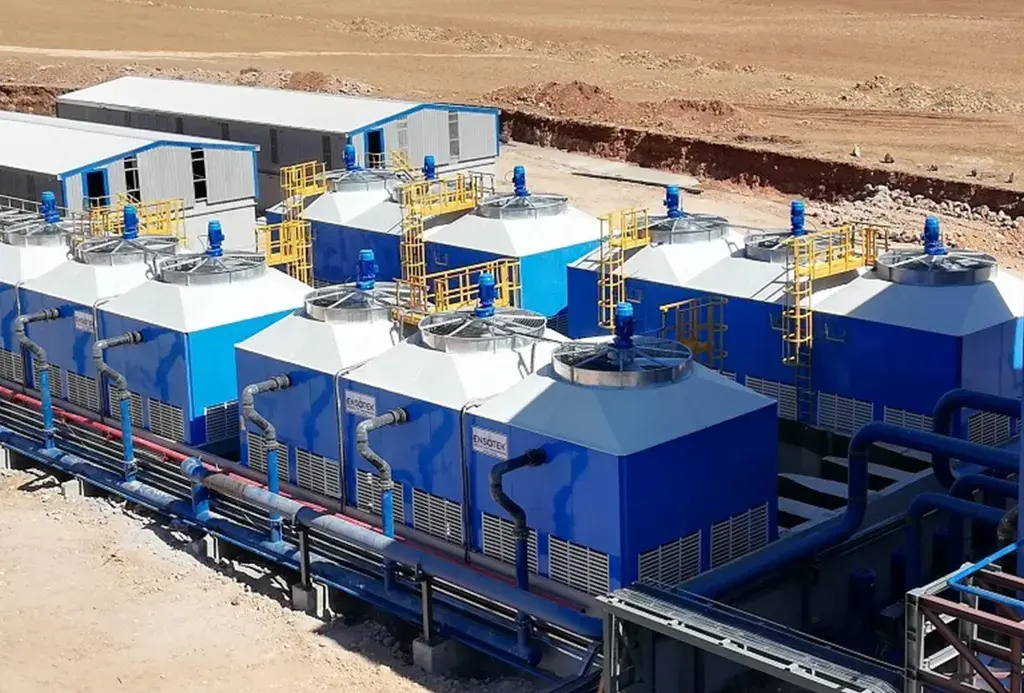
cooling tower
Cooling Tower CTS Monitoring | Beta Pramesti Asia
Betaqua Sentinel CTS for cooling tower monitoring, water-chemistry alarms, blowdown, biocide residual, pH, conductivity, and operator response.
Short Answer
Betaqua Sentinel CTS helps monitor cooling towers so changes in pH, conductivity, blowdown, temperature, biocide residual, and water-chemistry parameters are visible before they become scale, corrosion, biofilm, or excessive water use. PT Beta Pramesti Asia, through beta.co.id, supplies this monitoring system in Indonesia as part of cooling tower chemical programmes.
Monitoring does not replace physical inspection, sensor calibration, field tests, and service reports. Alarm values should be tied to operator actions such as checking dosing pumps, correcting blowdown, verifying residual, reviewing makeup water, or escalating to the technical team.
Technically reviewed: 6 August 2026.
What Betaqua Sentinel CTS Does
Alarm Parameters to Agree Up Front
| Parameter | Risk indicated | First response |
|---|---|---|
| Conductivity or TDS | Cycles of concentration, blowdown failure, or makeup-water change | Check blowdown valve, sensor, and cycle target |
| pH | Corrosion, scaling, and biocide-effectiveness risk | Verify test method, dosing, and alkalinity |
| Biocide residual or ORP | Unstable microbiological control | Check product stock, dosing pump, contact time, and water demand |
| Temperature and load | Changing deposit and evaporation risk | Interpret data against operating load |
| Dosing pump output | Actual dose does not match setpoint | Calibrate the pump and check suction, tubing, and interlock |
For the complete chemical programme, connect monitoring with cooling tower chemicals, biocides, corrosion inhibitors, and scale inhibitors.
Data That Belongs in the Report
A monitoring report should record sample point, measurement time, calibration status, setpoint, alarm, corrective action, and result after action. This helps separate sensor issues from water-quality changes or dosing failure.
| Report section | Minimum evidence |
|---|---|
| Operating condition | Active tower, load, temperature, makeup, blowdown, and operating hours |
| Instrument readings | pH, conductivity, residual, ORP where used, and calibration status |
| Operator response | Alarm, action, correction time, owner, and verification result |
| Chemical consumption | Opening-closing stock, pump output, product batch, and daily use |
Frequently Asked Questions
Does online monitoring replace manual testing?
No. Online monitoring supports fast detection, but manual testing remains necessary for sensor verification, calibration, and parameters that are not measured continuously.
When should cooling tower alarm limits be reviewed?
Review alarm limits when makeup water changes, heat load changes, the chemical programme changes, sensors drift frequently, or field results do not match controller readings.