

biological
Industrial Aerobic Wastewater System | Beta Pramesti
Industrial aerobic wastewater systems are selected from organic and nitrogen loads, flow, land, effluent targets, aeration, sludge, and operator capability.
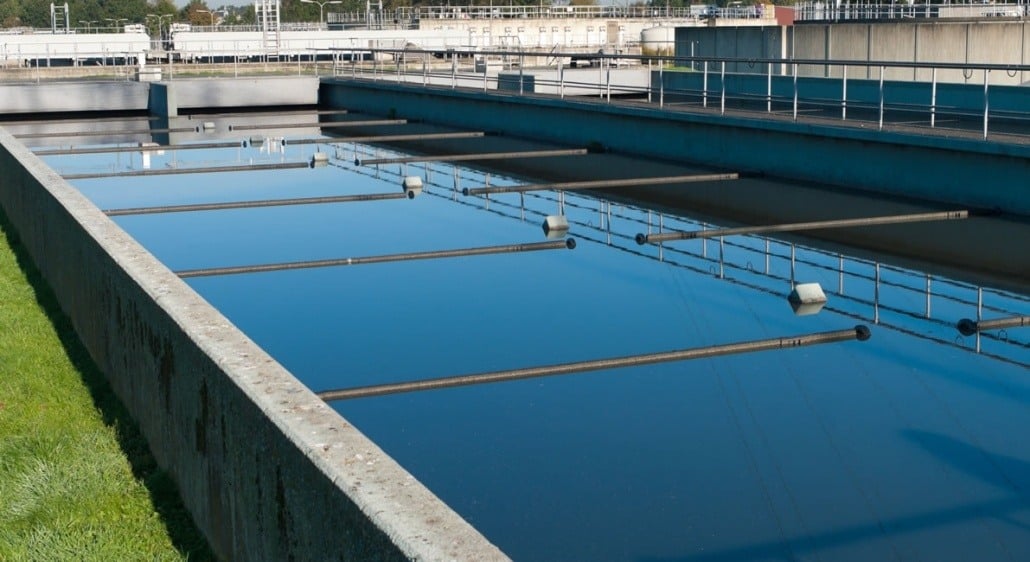
An aerobic wastewater system uses oxygen and biomass to treat organic compounds and, when designed for it, nitrogen. Activated sludge, IFAS/MBBR, and MBR should be compared using influent characteristics, flow, effluent targets, land, energy, sludge, and operator capability. PT Beta Pramesti Asia, through beta.co.id, designs and supports industrial aerobic systems in Indonesia using data and treatability evidence.
Which aerobic system fits the project?
No aerobic process is right for every wastewater stream. A conventional system provides a familiar flow path, IFAS or MBBR adds attached biomass, and MBR combines biological treatment with membrane separation. The decision should compare loading, variability, effluent quality, space, reuse needs, and operating resources.
| Process option | Worth evaluating when | Consequences to check |
|---|---|---|
| Suspended growth / activated sludge | Flow is relatively stable and there is room for reactors and solids separation | DO, sludge age, settling, return sludge, and solids handling |
| IFAS or MBBR | More biomass or treatment capacity is needed in limited reactor volume | Media retention, mixing, aeration, screens, and load distribution |
| MBR | A tighter solids barrier or reuse target is required and land is constrained | Pretreatment, flux, membrane aeration, cleaning, integrity, and operator skill |
| SBR | Batch flow or variable loads can be managed with an automated cycle | Equalisation, fill-react-settle-decant sequence, redundancy, decanter, and controls |
Which data determines an aerobic-system design?
Design starts with load, not average flow alone. Representative samples should be paired with production and flow data so the team can calculate organic load, oxygen demand, reactor capacity, sludge production, and shock-load risk.
- Influent and variation: minimum/average/peak flow, COD, BOD, TSS, oil and grease, nitrogen, phosphorus, pH, temperature, salinity, and inhibitory compounds.
- Treatment target: discharge or reuse specification, critical parameters, and required polishing.
- Site condition: land, elevations, utilities, sludge access, odour, noise, and expansion plan.
- Operating capability: operator coverage, laboratory support, spares, automation, alarm response, and energy budget.
- Design proof: treatability results, loading basis, mass balance, acceptance criteria, and off-design conditions.
How is aerobic operation verified?
Control parameters depend on the process and effluent target. The operating team normally reviews flow and load, DO, pH, temperature, MLSS/MLVSS or another relevant biomass indicator, settling, sludge age, energy use, sludge production, and effluent quality as one trend.
| Symptom | First checks | Direction of response |
|---|---|---|
| Effluent COD/BOD rises | Influent load, DO, pH, temperature, toxicity, and retention time | Stabilise the influent and biological conditions before adding support products |
| Sludge settles poorly | SVI/settling, filaments, DO, loading ratio, nutrients, and sludge age | Correct the process cause and the solids-separation path |
| Foam or odour appears | Foam type, FOG, surfactants, anaerobic zones, aeration, and wasting | Control the source and audit mixing, aeration, and sludge handling |
| Capacity is insufficient | Actual load, active volume, oxygen transfer, recycle, and peak flow | Test optimisation, equalisation, IFAS/MBBR, or expansion options |
For startup or recovery, Biological Booster and bacterial nutrients should only be selected after operating conditions are checked. Excess solids should move to a sludge-treatment programme, not be hidden by dose changes.
Aerobic wastewater system frequently asked questions
Is MBR always better than activated sludge?
No. MBR can support high-quality effluent and a compact footprint, but it needs pretreatment, membrane control, cleaning, energy, and operating capability. The project effluent target and life-cycle cost should decide.
Is aerobic treatment suitable for high-COD wastewater?
Possibly, but loading, biodegradability, toxicity, oxygen demand, and sludge production need testing. For concentrated organic streams, an anaerobic system may be evaluated as a first stage before aerobic polishing.
How can I request a system review?
Send the influent, flow, effluent target, land, utilities, and operating information through the Beta Pramesti contact page. The team can define the next sampling, treatability, and design-basis steps.