

cooling tower
Cooling Tower Cleaning Service | Beta Pramesti Asia
Industrial cooling tower cleaning for scale, sludge, and biofilm: inspection, isolation, cleaning, rinsing, and verification before safe site restart.
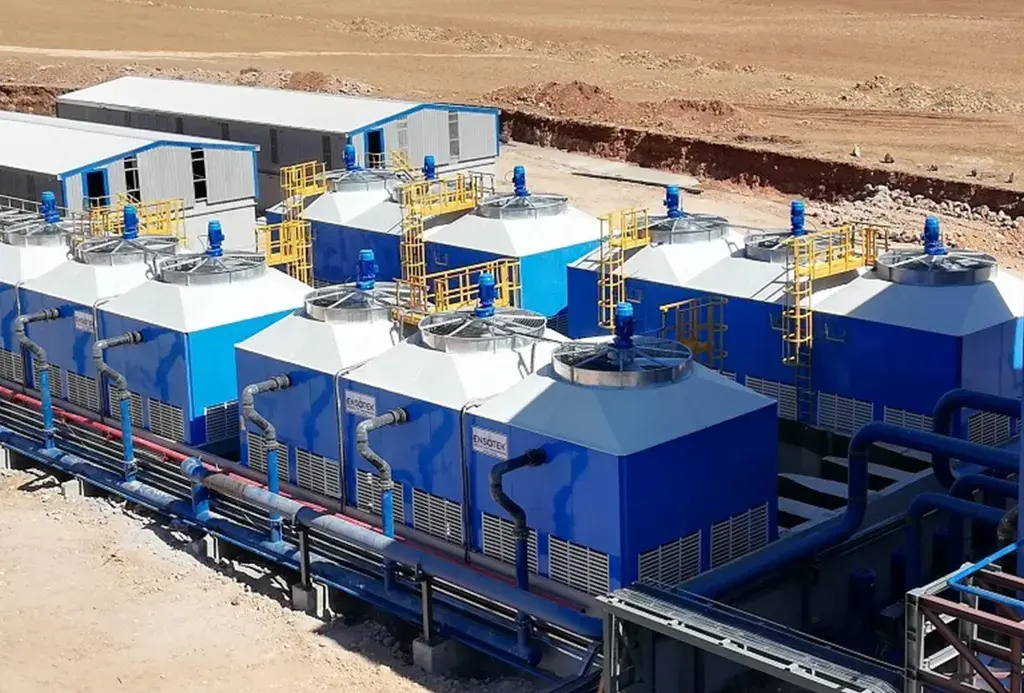
A cooling-tower cleaning service should be selected from deposit type, fill and basin condition, metallurgy, biological risk, and rinse-water discharge limits. PT Beta Pramesti Asia, through beta.co.id, supports industrial cooling-tower cleaning in Indonesia with an initial inspection, safe isolation, suitable mechanical or chemical cleaning, rinsing, and verification before restart.
Technically reviewed: 10 August 2026.
When does a cooling tower need cleaning?
Cleaning is needed when inspection and operating trends show scale, sludge, biofilm, blockage, or contamination that cannot be recovered through dose correction alone. A fixed schedule should not replace an assessment of actual conditions and the site’s water-management plan. CDC guidance updated on January 3, 2025 identifies scale, corrosion, sediment control, and system cleaning as critical parts of cooling-tower operation in its Legionella control guidance.
| Finding | Data to review | Scope to evaluate |
|---|---|---|
| Scale on fill or exchanger | Deposit analysis, hardness, alkalinity, silica, and pH | Descaling method and material compatibility |
| Sludge in the basin | Make-up source, TSS, blowdown, side-stream filtration | Draining, vacuuming, rinsing, and solids control |
| Slime or biofilm | Microbiology results, biocide history, stagnant areas | Physical cleaning and the biocide programme |
| Visible corrosion | Metallurgy, thickness, pH, chloride, and corrosion trend | Controlled cleaning and a corrosion-inhibitor programme |
A cleaning proposal needs scope and acceptance evidence
A cooling-tower cleaning proposal should state what will be cleaned, how the work will be isolated, how sludge and rinse water will be handled, and what evidence proves the tower is ready for restart. This prevents a low-price washdown from being mistaken for a controlled industrial cleaning service.
| Proposal item | What to define | Acceptance evidence |
|---|---|---|
| Components included | Basin, fill, spray nozzles, strainers, drift eliminators, access areas, and side-stream equipment | Before-after photos and signed work scope |
| Waste and rinse route | Sludge collection, neutralisation if chemicals are used, and discharge or hauling route | Waste volume, pH where relevant, and disposal or treatment record |
| Restart condition | Cleanliness, leak check, water quality, chemical baseline, and microbiology plan | Inspection checklist, make-up/blowdown setting, and restart readings |
The cleaning method follows the deposit and component condition
The cleaning method should not be selected from tower photographs or service price alone. Confirm deposit location, fill material and age, access, basin condition, aerosol risk, shutdown window, utilities, and the rinse-water route before choosing mechanical, chemical, or combined cleaning.
| Scope option | Suitable when | Checks before work |
|---|---|---|
| Mechanical cleaning | Sludge, debris, or accessible layers can be removed without damaging components | Fill strength, spray pressure, access, containment, and solids collection |
| Chemical cleaning | An adherent deposit can be treated with a compatible reagent | Deposit analysis, metallurgy, concentration, contact time, neutralisation, and waste |
| Mechanical and chemical | The tower contains both loose solids and adherent scale or biofilm | Work sequence, exposure risk, inter-stage rinsing, and acceptance criteria |
What are the cooling-tower cleaning steps?
- Record conditions, sample water or deposits when needed, and agree on acceptance criteria.
- Isolate energy and water under the site-safety procedure and control aerosol exposure.
- Drain the system and remove sludge or debris without damaging the fill.
- Use chemical cleaning only after the deposit, materials, concentration, contact time, and waste route have been assessed.
- Rinse and inspect the basin, fill, nozzles, strainers, and drift eliminators, then document the result.
- Restart with a corrected cooling-tower chemical programme and monitoring plan.
Frequently asked questions about cooling-tower cleaning
Is high-pressure washing safe for every fill type?
No. Pressure, spray distance, access, fill age, and material should be reviewed first. An overly aggressive method can damage the fill or spread contaminants.
Does cleaning replace the routine chemical programme?
No. Cleaning removes deposits or contamination that have already formed. Scale inhibitors, dispersants, corrosion control, biocides, blowdown, and monitoring are needed to keep the problem from returning.
What data is needed for a cleaning proposal?
Send tower capacity and configuration, photographs or inspection findings, fill type and metallurgy, water and deposit analysis, chemical history, downtime limit, site access, and rinse-water treatment route through the Beta Pramesti contact page.