

consumables
Industrial WWTP Bacterial Nutrients | Beta Pramesti
Industrial WWTP bacterial nutrients correct nitrogen, phosphorus, or micronutrient deficiency based on organic load, biomass condition, and effluent trends.
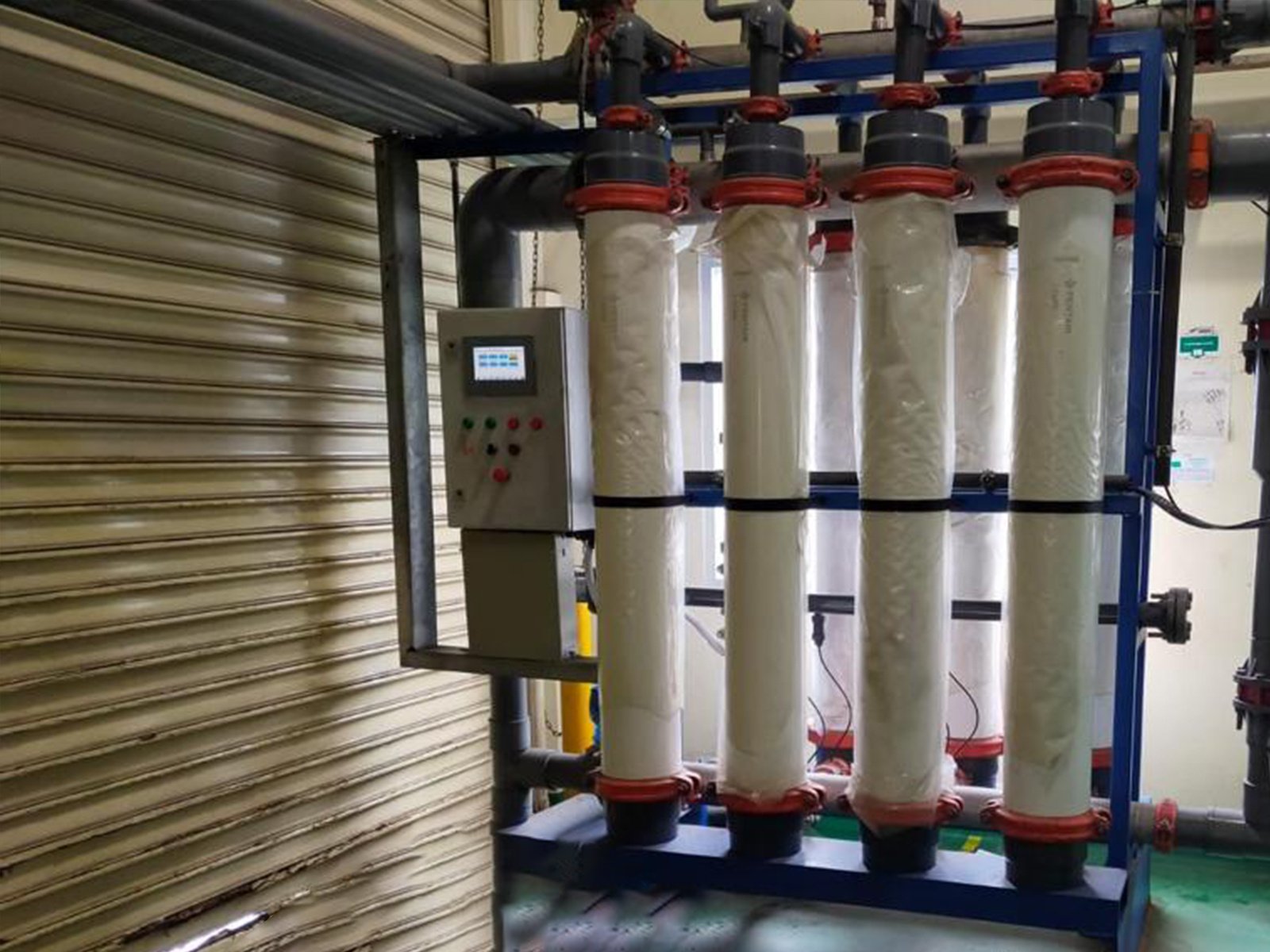
WWTP bacterial nutrients are nitrogen, phosphorus, or micronutrient supplements used when wastewater does not provide a balanced nutrient supply for the biomass. Addition must be based on COD/BOD, nitrogen, phosphorus, flow, MLSS/MLVSS, and process condition; excess nutrients can raise effluent load without improving treatment.
PT Beta Pramesti Asia, through beta.co.id, supplies bacterial nutrients as part of industrial wastewater-treatment programmes in Indonesia. The programme can be combined with Biological Booster, activated-sludge review, or an MBBR process according to site data.
Technically reviewed: 3 August 2026.
When does a WWTP need supplemental nutrients?
Supplemental nutrients should be considered when analysis and operating trends show a deficiency, not simply because effluent COD/BOD has increased. Other upset causes—such as toxic loading, pH, DO, temperature, sludge age, hydraulic shock, or clarifier performance—must be checked first.
| Process finding | Data to check | Initial decision |
|---|---|---|
| Biomass grows poorly during startup | COD/BOD, N, P, flow, aeration volume, seed sludge, pH, and DO | Calculate nutrient demand and increase loading gradually |
| COD/BOD removal drops suddenly | Influent trend, toxicity, pH, DO, temperature, MLSS/MLVSS, and sludge age | Restore the process cause before adding nutrients |
| Carbon-rich influent is deficient in N/P | Laboratory results from a sample and matching flow period | Trial nutrient correction with written targets and effluent limits |
| Effluent ammonia or phosphate rises | Actual dose, dosing flow, biomass uptake, nitrification, and solids carryover | Reduce or stop correction while auditing the nutrient balance |
How should a nitrogen or phosphorus deficit be calculated?
Calculate demand from the biodegradable organic load and the N/P ratio approved for the site process—not from total COD or a generic ratio alone. Match concentration samples to the same flow period, subtract nutrients already available, and then convert the active deficit to product as supplied. The result is a controlled-trial basis, not an automatic permanent dose.
Use this sequence:
biodegradable BOD load (kg/day) = biodegradable BOD (mg/L) × flow (m³/day) ÷ 1,000;required N or P (kg/day) = biodegradable BOD load × approved site ratio;available nutrient load (kg/day) = available nutrient concentration (mg/L) × flow (m³/day) ÷ 1,000;active deficit = the greater of zero and [requirement − available load]; andproduct demand (kg/day) = active deficit ÷ mass fraction of N or P in the product.
Illustrative example: 500 m³/day containing 400 mg/L biodegradable BOD carries 200 kg BOD/day. If the validated site baseline uses an N/BOD requirement of 0.05, nitrogen demand is 10 kg/day. Available N of 6 mg/L over the same period equals 3 kg/day, leaving a theoretical deficit of 7 kg N/day. A product containing 20% N by mass would correspond to 35 kg product/day before using density for a liquid product. Neither the example ratio nor the product assay is a universal recommendation.
| Trial hold point | Evidence required | Decision |
|---|---|---|
| Load basis | Flow and a composite/representative sample from the same period; documented biodegradable fraction or treatability result | Calculate the load only after time basis and biodegradability are clear |
| Other upset causes | DO, pH, temperature, toxicity, sludge age, settleability, and hydraulic condition are within the trial envelope | Hold nutrient addition while another process constraint remains uncontrolled |
| Product basis | Active N/P content, density, compatibility, SDS, dilution-water quality, and pump calibration | Convert active deficit into a measurable product flow |
| Trial release | One primary change, written baseline, sample points, and a stop limit if effluent N/P rises or removal does not improve | Run a staged trial rather than a permanent setting |
| Verification | BOD/COD removal trend, effluent ammonia/phosphate, MLSS/MLVSS, settleability, and product use | Hold, correct, or stop according to process response and effluent limits |
If COD is used in place of biodegradable BOD, establish the fraction genuinely available to the biomass from historical data or a treatability test. Including inert COD overstates nutrient demand and can carry unused nitrogen or phosphorus into the effluent.
How do bacterial nutrients differ from nutrient removal?
Bacterial nutrients add nitrogen, phosphorus, or supporting elements when a biological process is deficient. Biological nutrient removal removes nitrogen and phosphorus through process configuration and, where required, chemical precipitation. These are opposite decisions, so operators must establish whether the problem is a reactor deficiency or excess nutrients in the effluent.
Wastewater nutrients generally include:
- Domestic waste: used water from laundry, kitchen, toilet (urine contains urea → nitrogen).
- Industrial waste: e.g. from food, fertilizer or livestock factories.
- Agricultural runoff: fertilizers carried by rainwater.
Main Nutrient Types
-
Nitrogen (N)
- Forms: ammonia (NH₃/NH₄⁺), nitrite (NO₂-), nitrate (NO₃-), and urea.
- Sources: human/animal urine, fertilizers, food waste.
-
Phosphorus (P)
- Forms: orthophosphate, polyphosphate, and organic phosphorus.
- Sources: detergents, fertilizers, organic waste.
-
Potassium (K) (of lesser concern, but still present in wastewater).
Impact of Excess Nutrients in Effluent
- Eutrophication: if nutrients enter rivers/lakes, aquatic plants & algae overgrow → dissolved oxygen decreases → fish die.
- Water quality degrades: odor, color, and taste of water become unacceptable.
- Downstream-use risk: nitrogen and phosphorus must be assessed against the applicable discharge limits, permit, and intended water use.
Nutrient Management
In wastewater treatment, there are specific processes to reduce nutrients:
- Biological Nutrient Removal (BNR) → utilizing bacteria to remove nitrogen & phosphorus.
- Chemical precipitation → trialling coagulants to precipitate phosphorus where the biological route alone cannot meet the target.
The U.S. EPA nutrient-removal reference shows that process selection depends on nitrogen/phosphorus targets and treatment configuration rather than one universal ratio (EPA Municipal Nutrient Removal Technologies). For nutrient addition, use influent and biomass results from the same operating period and verify the response as a trend.
Frequently asked questions about WWTP nutrients
Does high COD always mean the bacteria lack nutrients?
No. High COD can result from increased organic load, poorly biodegradable compounds, toxicity, low DO, insufficient retention time, or solids carryover. Confirm nitrogen, phosphorus, pH, DO, biomass, and hydraulic conditions before adding a product.
Can a C:N:P ratio be used as a fixed dose?
No. A ratio is an assessment starting point, not a universal product dose. Wastewater type, biodegradability, effluent target, reactor configuration, sludge age, and product active content determine the trial and correction.
What data are required for a recommendation?
Prepare average and peak flow, influent/effluent COD and BOD, total nitrogen or relevant N parameters, total phosphorus/phosphate, pH, DO, temperature, MLSS/MLVSS, sludge age, settling condition, current product/dose, and upset history. Contact the Beta Pramesti Asia team to review the data before application.