

ancillaries
WWTP Tube Settler Selection & Acceptance | Beta Pramesti
Select a WWTP tube settler from settling tests, flow, solids load, distribution, sludge removal, cleaning access, materials, and acceptance targets on site.
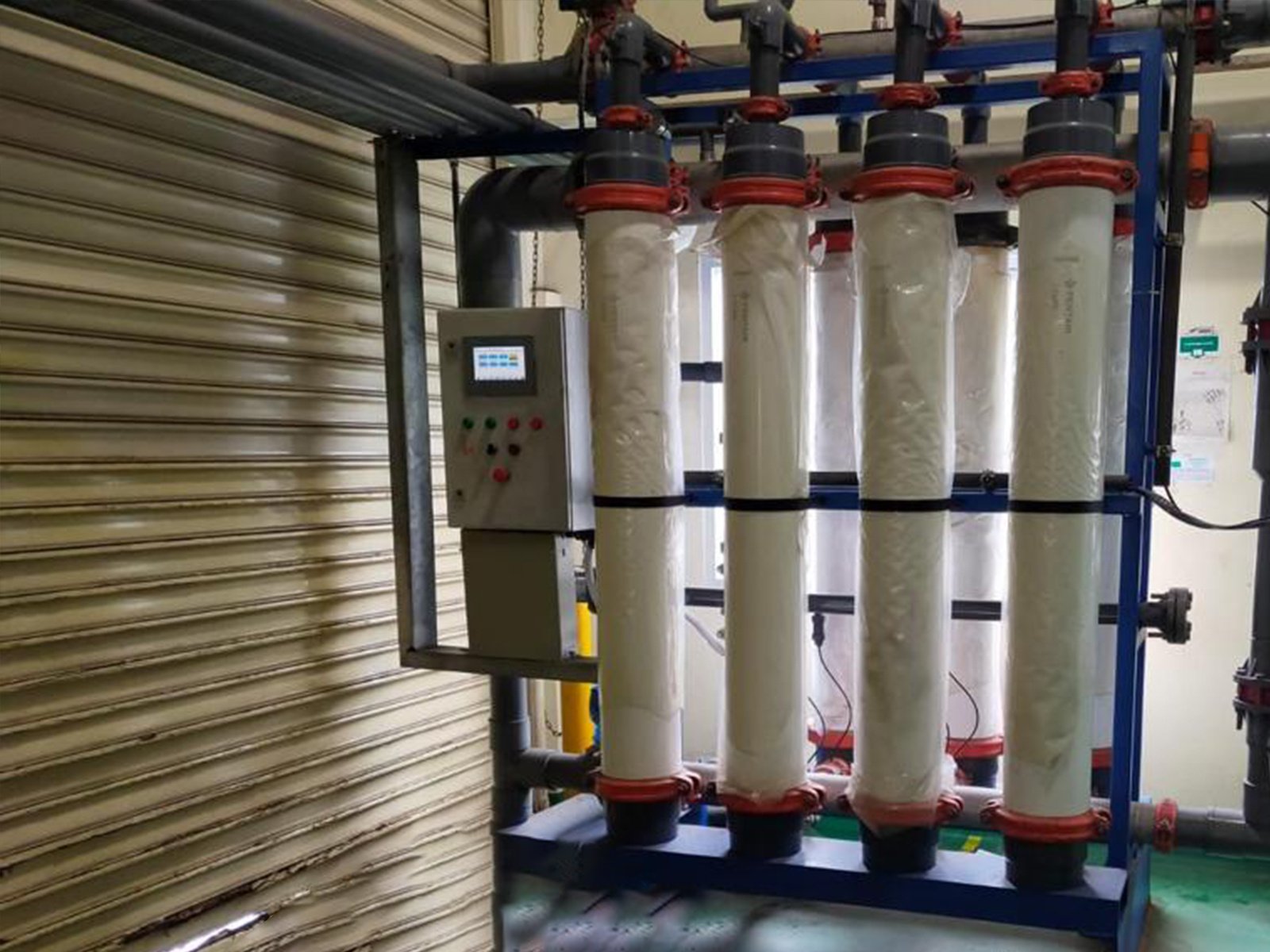
A WWTP tube settler increases effective settling area within a compact basin footprint, but it works only when the solids settle and the sludge can be removed. Selection requires settling tests, peak flow, solids load, flow distribution, floc character, sludge space, cleaning access, module materials, and the required effluent quality.
PT Beta Pramesti Asia, through beta.co.id, evaluates, integrates, and commissions tube settlers for industrial water and wastewater plants in Indonesia. A package can combine coagulation-flocculation, clarification, sludge separation, and polishing based on tests with the actual water.
Last technically reviewed: 2 August 2026.
When does a tube settler suit wastewater clarification?
A tube settler suits floc or solids with adequate settling behaviour, particularly where space is limited or an existing clarifier needs retrofitting. It cannot repair fragile floc, emulsified oil, severely uneven flow, or sludge that is never withdrawn; those problems belong in upstream treatment and sludge-removal design.
The U.S. EPA suspended-solids removal design manual describes upward flow through inclined tubes and the use of modules in clarifiers. It also makes clear that criteria must be evaluated for each wastewater, so catalogue values do not replace settling tests and project hydraulics.
| Process condition | Evaluate a tube settler | Compare another option |
|---|---|---|
| Readily settling floc | A settling test produces clear supernatant and sludge that moves out of the module | Fragile floc, pin floc, or non-settling solids: correct coagulation-flocculation first |
| Limited footprint | Projected module area can be installed in a new or retrofit basin | Ample space and extreme load variation: a conventional clarifier with buffering may be simpler |
| Oil or light solids | Only where tests show that the target solids move downward | For FOG or floating floc, evaluate DAF |
| Biological solids | Possible when settleability, blanket level, and withdrawal are demonstrated | Correct bulking or gas-forming sludge; modules do not replace biological control |
| Abrasive or sticky solids | Materials, openings, and cleaning access require proof | Grit, fibres, or heavy slime may require screening, grit removal, or another configuration |
What data determine tube-settler size and configuration?
Average flow alone cannot size the unit. Solids mass, settling velocity, hydraulic peaks, inlet-outlet distribution, and sludge withdrawal interact; one weak element can cause carryover even when the module has ample projected area.
| Design input | Check | Decision affected |
|---|---|---|
| Minimum, normal, and peak flow | Hourly profile, recycle, backwash, rainfall, and upstream/downstream levels | Projected area, train count, weirs, bypass, and hydraulic grade line |
| TSS and solids mass | kg/h = m³/h × mg/L ÷ 1,000, batch variation, and solids type | Solids loading, storage, withdrawal, and equalization need |
| Settling test | Interface curve, supernatant clarity, pin floc, compression, and sludge volume | Tube-settler feasibility, area basis, hopper depth, and withdrawal interval |
| Upstream chemistry | pH, coagulant, flocculant, mixing, flocculation time, and dose sweep | Quality and strength of the floc entering the module |
| Hydraulic distribution | Inlet energy, baffles, inter-zone velocity, outlet weirs, and short-circuit risk | Inlet-outlet layout, train balancing, and flow-control provisions |
| Module and environment | Materials, temperature, UV, chemicals, passage size, support, lifting, and fouling | Module type, structure, cleaning method, and inspection interval |
| Sludge handling | Hopper, scraper if used, valves/pumps, drains, thickening, and destination | Continuous withdrawal and integration with sludge treatment |
Select coagulants and flocculants from tests with the actual water. Use industrial coagulants and clarification flocculants as product routes after jar tests show reproducible floc formation and settling.
How do tube settlers compare with plate settlers and clarifiers?
All three separate solids by gravity, but their geometry, access, sludge zone, and retrofit practicality differ. Compare the complete package—not just the settling media—including inlet, outlet, supports, cleaning, hopper, sludge withdrawal, platform, instrumentation, and civil work.
| Option | Main strength | Procurement hold point |
|---|---|---|
| Tube settler | Large settling area in a compact module; potentially useful for retrofits | Passage and path length, materials, support, plugging risk, cleaning access, and flow distribution |
| Plate settler | Plate passages can be defined clearly for some packaged duties | Spacing, angle, material, sludge sliding, lifting, and inspection access |
| Conventional clarifier | More open process and sludge zones for inspection | Footprint, scraper, torque, weir loading, short-circuiting, and sludge capacity |
How should a tube settler be commissioned and accepted?
Commissioning should connect dry inspection, clean-water testing, and process-water testing. An effluent target alone is incomplete: prove flow distribution, levels, sludge blanket, withdrawal frequency, cleaning access, and response to peak flow or solids loading.
| Stage | Minimum evidence | Decision |
|---|---|---|
| As-built inspection | Materials, module orientation, supports, clearance, baffles, weir level, hopper, valves, and access | Hold wet testing if modules are damaged, supports are uneven, or flow paths differ from the drawing |
| Clean-water test | Distribution by train, levels, leakage, weirs, dead zones, and valve/pump function | Correct flow division before introducing floc or sludge |
| Process baseline | Flow, TSS/turbidity, chemistry, settleability, sludge blanket, and upstream condition | Establish a baseline that can be compared with acceptance duty |
| Load test | Safe normal and peak conditions, matched inlet-outlet sampling, and solids mass balance | Accept only within the recorded flow, chemistry, and solids-loading envelope |
| Sludge withdrawal | Volume, consistency, interval, valve/pump capacity, and effluent response | Change schedule or equipment if the blanket rises or carryover increases |
| Cleaning and handover | Isolation, draining, flushing, access, SOP, module inspection, spares, and training | Operations can clean without module damage or sending residue to the wrong route |
For transfer and measurement equipment, compare Watermart industrial pumps and water-treatment instrumentation after defining flow, head, solids, materials, and measurement range.
WWTP tube settler FAQs
Can a tube settler replace jar testing?
No. A tube settler shortens settling distance; it does not create settleable floc. Jar or settling tests are still needed to evaluate coagulant, flocculant, pH, mixing, floc size, supernatant, and sludge production.
Why can effluent TSS rise when the modules look clean?
Check flow and distribution, upstream chemistry, pin floc, sludge blanket, withdrawal, weir level, and sampling. A clean module can still carry solids over when the inlet short-circuits, the blanket is too high, or floc quality changes.
What information is needed for a quotation?
Send the flow profile, influent and effluent analysis, settling or jar-test results, chemical programme, basin drawings and elevations, footprint limits, materials, sludge condition, utilities, layout, performance targets, and test criteria through the wastewater treatment contact page.