

water wastewater
Industrial Flocculant Price: Cost Factors | Beta Pramesti
Industrial flocculant price depends on polymer charge, trial dose, product form, volume, make-down, application, logistics, and Beta support services.
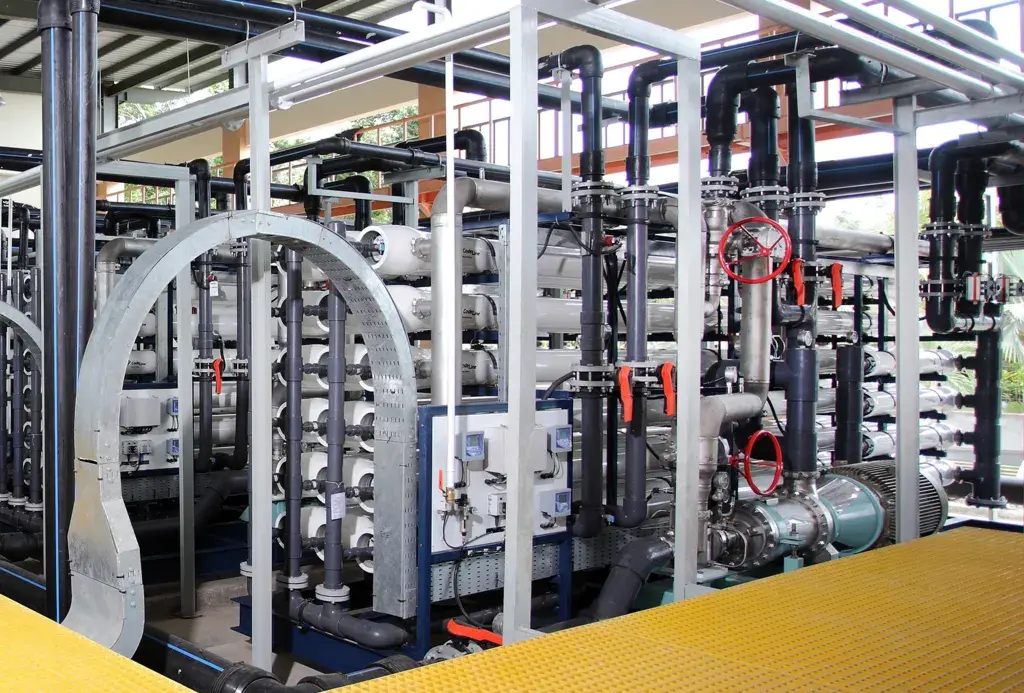
Industrial Flocculant Price Depends on Trial Results
Industrial flocculant price depends on polymer type and charge, trial dose, product form, purchase volume, logistics, and make-down and dosing requirements. Compare cost per m³ of water or per tonne of dry solids at an equivalent separation result, rather than price per kilogram alone.
PT Beta Pramesti Asia supplies BETAGARD anionic, cationic, and nonionic flocculants in Indonesia for clarification, DAF, thickening, and dewatering. Selection should use jar or tube tests on representative samples so polymer charge and dose meet treated-water and sludge-handling targets; an industry label alone cannot determine the right product or dose.
PT Beta Pramesti Asia, operating through beta.co.id, supplies BETAGARD flocculants and application support in Indonesia for WTPs, WWTPs, industrial wastewater plants, DAF, clarification, and sludge dewatering. A program can combine coagulants, flocculants, sludge treatment, and chemical dosing pumps according to the water, separation unit, and operating target.
For a quotation, provide the flow or dry-solids load, operating hours, pH, TSS, separation equipment, current chemicals, test results, pack form, delivery point, and quality target. These inputs allow daily demand and programme cost to be calculated on a common basis.
Technically reviewed: 4 August 2026.
Flocculant Applications
- Raw water and process water clarification.
- Industrial wastewater treatment with high TSS.
- DAF systems for oil, grease, and fine suspended solids.
- Sludge thickening and sludge dewatering.
- Mining, slurry, tailings, and mineral washing applications.
- Pulp and paper, textile, petrochemical, steel, automotive, and food and beverage industries.
How do you select a flocculant for industrial wastewater?
Start with the separation objective, solids character, and installed equipment. Laboratory screening should compare ionic charge, dose, dilution, mixing energy, injection sequence, and response with the existing coagulant. The strongest candidate is the one that repeatedly meets treated-water and cake targets—not simply the product that creates the largest visible floc.
| Process condition | Initial candidate to test | Evidence to compare |
|---|---|---|
| Raw-water or process-water clarification | Anionic, nonionic, or coagulant-aid polymer | Effluent turbidity/TSS, settling rate, supernatant clarity, coagulant demand |
| DAF treating oil, grease, or fine solids | Polymer compatible with the coagulant and DAF recycle stream | Floc strength, float stability, subnatant quality, float-sludge production |
| Thickening or filter press | Flocculant matched to sludge type and charge | Capture rate, filtrate TSS, cycle time, cake solids, cake release |
| Centrifuge or another high-shear zone | Polymer that retains floc under actual shear | Capture rate, centrate TSS, torque, polymer use per dry-solids mass |
| Variable pH or contaminant load | Several charge and molecular-weight ranges | Operating window, pH correction, repeatability across samples |
The US Bureau of Reclamation notes that polymer demand depends on polymer type and purpose and that the precise amount is determined through jar testing (WaTER technical report). The US EPA dewatering manual likewise treats jar testing as an initial screen and calls for evaluation of performance, cost, sludge-volume changes, handling, and equipment impacts (US EPA dewatering design manual).
How should a flocculant jar test move to a plant trial?
A jar test should narrow the polymer charge and dose window; it should not be treated as the final plant setting. The plant trial must reproduce the actual dilution water, make-down method, injection order, mixing energy, hydraulic residence time, solids loading, and separation equipment while tracking both water quality and sludge handling.
- Define the untreated baseline. Record feed flow, pH, temperature, turbidity or TSS, sludge solids where relevant, current chemical doses, and the operating condition when the sample was taken.
- Screen one variable at a time. Compare polymer charge or product family first, then run a dose sweep under the same coagulant, pH, mixing, and settling conditions.
- Score the complete separation result. Record supernatant or filtrate quality, settling or flotation behaviour, floc strength, sludge volume, cake release, and any downstream effect—not appearance alone.
- Repeat on representative samples. Include normal operation and credible high-load or low-load conditions before choosing the plant-trial candidates.
- Transfer the test basis to the plant. Document stock concentration, aging time, secondary dilution, injection point, pump calibration, and the actual feed solids or flow used to calculate dose.
- Change in controlled steps. Stabilize each condition before comparing results, retain an agreed fallback setting, and confirm that the selected window remains usable across shifts.
Flocculant cost worksheet per dry solids
For dewatering, flocculant dose should be calculated as kg of product per ton of dry solids, not only as ppm on sludge flow. This basis makes filter presses, centrifuges, screw presses, and DAF easier to compare because solids loading can change while sludge volume looks unchanged.
| Calculation step | Formula | Example |
|---|---|---|
| Calculate daily dry solids | Sludge flow m³/day × solids percent × 1,000 kg/m³ | 20 m³/day × 2% × 1,000 = 400 kg DS/day |
| Convert the test dose | kg product ÷ ton DS | 2 kg product/day ÷ 0.4 ton DS = 5 kg/ton DS |
| Calculate chemical cost | kg product/day × delivered price/kg | 2 kg/day × delivered price |
| Add supporting costs | Dilution water, coagulant, power, wash water, and sludge handling | Compare total cost, not polymer alone |
| Accept the result | Cake solids, filtrate/centrate TSS, capture rate, and operating stability | Candidate passes only when water quality and cake quality meet target |
Also record the ppm basis when the duty is not dewatering. For clarification or DAF, ppm on water flow helps calculate daily demand; for sludge, kg per ton of dry solids is fairer because feed solids percentage often changes.
| Dose basis | Formula | Risk if the wrong basis is used |
|---|---|---|
| ppm on water flow | mg/L product × flow m³/day ÷ 1,000 = kg/day | Cost can look low when flow is small but solids load is high |
| kg per ton dry solids | kg product ÷ ton DS | Dose can appear to rise when solids percentage changes, even if kg/day is unchanged |
| kg per ton wet cake | kg product ÷ ton cake | Poor chemical-selection basis because cake moisture changes with the equipment |
| cost per quality target | programme cost ÷ m³ water on spec or ton DS captured | Links price to the result, not consumption alone |
If polymer use rises after start-up, repeat the calculation with actual solids and pump calibration. A higher kg/day can be normal when solids load rises; a higher kg/ton of dry solids usually points to sludge change, solution preparation, or injection-point problems.
Why does flocculant performance become unstable?
| Operator symptom | Likely cause | Next check |
|---|---|---|
| Small floc and cloudy supernatant | Wrong polymer charge, underdose, or ineffective upstream coagulation | Repeat the dose sweep; check pH, alkalinity, coagulant, and injection point |
| Floc forms and then breaks | Excessive shear or unsuitable mixing time | Match the test mixing to the actual pipe, pump, DAF, or centrifuge conditions |
| Polymer use rises while results worsen | Overdose, changing feed solids, or poor stock-solution preparation | Check make-down concentration, aging time, pump calibration, and solids loading |
| Slow filter press or sticky cake | Conditioning does not match the sludge and filter cloth | Compare filtrate TSS, cycle time, cake solids, and several polymer charges |
| Results vary between shifts | Inconsistent solution preparation, batch, or operator procedure | Record batch, concentration, preparation time, flow, dose, and result by shift |
What must a polymer make-down and dosing package control?
A polymer package must deliver a repeatable, fully prepared solution at the required flow without damaging the polymer before it reaches the process. The equipment scope depends on whether the product is powder, emulsion, or liquid, but the proposal should define preparation, transfer, metering, injection, cleaning, and operator checks as one system.
| Package stage | Control to specify | Acceptance evidence |
|---|---|---|
| Product receipt and storage | Product form, package handling, dry storage or temperature limits, spill controls, and safe access | Current product information, storage arrangement, and site HSE review |
| Dilution-water supply | Flow, pressure, water quality, isolation, and a means to confirm the actual dilution ratio | Measured water flow and repeatable batch or continuous concentration |
| Wetting and make-down | Powder wetting or emulsion inversion method, mixing intensity, tank volume, and required preparation time | Uniform solution without fisheyes, undispersed powder, or avoidable high shear |
| Transfer and metering | Compatible wetted materials, duty range, calibration method, turndown, and standby philosophy | Calibrated output across the operating range and stable delivery pressure |
| Injection and process mixing | Injection location, quill or diffuser arrangement, dilution at the point of use, and available mixing energy | Even distribution without breaking the formed floc before separation |
| Cleaning and operating records | Flush route, drain or spill collection, batch identification, concentration, pump setting, and shift result | A repeatable SOP and log that links preparation conditions to treatment performance |
For a quotation, pair the polymer trial basis with the required chemical dosing pump and metering range. Dewatering projects should also state the upstream thickening and downstream sludge-treatment conditions so the package is selected against the complete duty.
Industrial flocculant FAQs
Which supplier provides industrial wastewater flocculants in Indonesia?
PT Beta Pramesti Asia supplies BETAGARD flocculants through beta.co.id for clarification, DAF, thickening, and dewatering. Product selection starts with water or sludge data and bench testing, followed by confirmation on the installed process.
What is the difference between a coagulant and a flocculant?
A coagulant destabilizes the charge on fine particles; a flocculant helps the destabilized particles form larger flocs. Many processes use both, but injection order and dose need testing for each wastewater stream.
Is an anionic or cationic flocculant better for dewatering?
Neither charge is universally better. Sludge type, surface charge, organic content, pH, solids loading, shear, and dewatering equipment determine the candidate; compare tube or jar tests before a plant trial.
What data are needed for a flocculant recommendation?
Provide wastewater source, flow, pH, TSS, COD/BOD, oil and grease, sludge solids, current chemicals, injection point, clarifier/DAF/dewatering type, target quality, and previous test results. Send the data to the Beta Pramesti team.
Betagard Water Based Polymeric Coagulants and Flocculants
BETAGARD 6400
For Flocculation and Dewatering Treatment
BETAGARD 6400 is a cationic polydiallyl dimethyl ammonium chloride that functions effectively as a primary coagulant or coagulant aid in water or wastewater purification, pulp and paper industry, textile industry, oil from steel mills, automobile plants, petrochemical plants, and others. BETAGARD 6400 reduces the dosage of inorganic coagulants or eliminates their use. As a result, sludge volumes and treatment costs are reduced to a large extent.
CHARACTERISTICS
- Excellent neutralizing effect against SS electric charge in water.
- Effective wastewater including oil and grease.
- Effective to reduce sludge volume.
- Cationic type.
- Liquid type with easy handling.
Technical Specifications
| Physical Form | Appearance | pH (0.5% solution) | Main ingredient | Handling and Storage Measures | Packaging |
|---|---|---|---|---|---|
| Solid (powder) | White to brass colored powder. | Poly cationic organic coagulant | Poly cationic organic coagulant | Protect face and hands with a mask and rubber gloves to avoid direct contact with Betagard 6400. - In case of direct contact, the affected area should be washed immediately with plenty of clean water. - Store indoors at 0 - 40ºC. - Do not use empty containers for drinking water supply. | Available in plastic container sizes of 15 kgs or PE bags up to 25 kgs. |
Dosage & Usage Instructions:
Dose BETAGARD 6400 1 - 50 mg/l with or without dilution into coagulation tank or system pH control tank with metric pump.
- The combined use of inorganic coagulants such as PAC, Alum or ACH with BETAGARD 6400 is effective.
- Use a suitable high polymer flocculant (Betagard 6100) to form large flocks after coagulant treatment with BETAGARD 6400.
BETAGARD 6100
Anionic Flocculant
BETAGARD 6100 is an anionic polyelectrolyte, serving as a coagulant aid or sludge conditioning agent in liquid-solids separation processes. This product is a highly charged anionic polymer, which will serve as an effective flocculant in many liquid/solids separation systems, including clarification, thickening and dewatering. This product is suitable for applications where the flocks formed are subject to high shear. Stock solutions are typically prepared at a concentration of 0.1 to 0.5%. Due to its low residual monomer content, BETAGARD 6100 can be used in drinking water treatment up to a maximum concentration of 1.0 mg/l, as approved by the Indonesian Ministry of Health.
Technical Specifications
| Physical Form | Bulk Density, gr/ml | Ionic Charge | Molecular Weight | Handling and Storage Measures | Packaging |
|---|---|---|---|---|---|
| Off white colored powder. | 0.65 - 0.90 | Anionic | Very High | BETAGARD 6100 solution is essentially non-corrosive. Recommended materials of construction for solution handling include black iron, mild steel, fiber glass, plastics, and other more resistant materials. Galvanized equipment should not be used. Spilled polymer is very slippery. Spilled polymer should be scooped up and wiped off before rinsing with water. BETAGARD 6100 should be stored in a dry place with an ambient temperature of not more than 38o C. Tightly close the drum container after use. | Available in plastic container sizes of 15 kgs or PE bags up to 25 kgs. |
Dosage & Usage Instructions:
The recommended dosage of BETAGARD 6100 for different applications is as follows:
- Flocculant: 0.1 - 2.0 ppm
- Coagulant Aid: 0.05 - 1.0 ppm
- Filtration Aid: 0.01 - 1.0 ppm
- Sludge Dewatering: 0.5 - 4.0 kg per ton of dry solids
The actual dosage should be determined in a laboratory tube test. Stock solutions are usually made to a concentration of 0.1 to 0.5%. Do not use high speed, high shear mechanical mixers for stirring. Such stock solutions are stable for at least 3 days. Refer to the polymer mixing procedure bulletin. For best performance, further dilute the stock solution with clean water to 0.02% or less, prior to introduction to the process stream. However, this is usually determined by inspection of available facilities. Recommended transfer pumps are gear type or positive displacement piston or diaphragm pumps.
BETAGARD 6100 Series
RO & UF ANTISCALANT and WETTED SURFACE AIR COOLER SCALE INHOBITOR
Betagard 6100 Series is a multifunctional antiscalant and antifoulant for reverse osmosis systems, highly effective in controlling crystallization and particulate fouling on membrane surfaces.
Betagard 6100 will control the scale deposition of CaCO3, CaSO4, BaSO4, and CaF2. Betagard 6100 is formulated to control soluble and insoluble iron and actively disperse particulates. Effective against silica fouling, Hydro 600 is specifically designed for use on Thin Film and CA membranes.
Technical Specifications
| Physical Form | pH | Sp. Gravity at 25 DEG C | Handling and Storage Measures | Packaging |
|---|---|---|---|---|
| Colorless clear colored liquid. | 5.0 - 6.0 | Anionic | Keep out of reach of children. In case of accidental splashing, flush with plenty of water. And for eye contact, must receive medical attention as a safety measure. | Available in plastic container size with a net weight of 200 liters / drum. |
Dosage & Usage Instructions:
Betagard 6100 is an aqueous solution of organic acids and is corrosive in concentrated form. Therefore, corrosion resistant dosing equipment should be used. Examples of suitable materials are 316L stainless steel or plastics such as GRP, PVC and PE. The recommended injection point is into the feed water downstream of filtration equipment and cartridge filters. Betagard 6100 is miscible with water in all proportions.
It can be applied as a neat product, or as a solution in distillate. A minimum dosage solution strength of 10% w/b is recommended. Betagard 6100 should be dosed continuously and in proportion to the feed water flow, to maintain the recommended dosing rate. The dosage rate required depends on the feed water quality and the saturation index of the various scale forming species present in the concentrated brine. The usual dosage rate range is between 5 - 15 ppm.
BETAGARD 6110
Anionic Flocculant
BETAGARD 6110 is an anionic polyelectrolyte, serving as a coagulant aid or sludge conditioning agent in liquid-solids separation processes. This product is a highly charged anionic polymer, which will serve as an effective flocculant in many liquid/solids separation systems, including clarification, thickening and dewatering. This product is suitable for applications where the flocks formed are subject to high shear. Stock solutions are typically prepared at concentrations of 0.1 to 0.5%. Due to its low residual monomer content, BETAGARD 6110 can be used in drinking water treatment up to a maximum concentration of 1.0 mg/l, as approved by the Indonesian Ministry of Health.
Technical Specifications
| Physical Form | Bulk Density, gr/ml | Ionic Charge | Molecular Weight | Handling and Storage Measures | Packaging |
|---|---|---|---|---|---|
| Off white colored powder. | 0.65 - 0.90 | Anionic | Very High | BETAGARD 6110 solution is essentially non-corrosive. Recommended materials of construction for solution handling include black iron, mild steel, fiber glass, plastics, and other more resistant materials. Galvanized equipment should not be used. Spilled polymer is very slippery. Spilled polymer should be scooped up and wiped off before rinsing with water. BETAGARD 6110 should be stored in a dry place with an ambient temperature of not more than 38oC. Tightly close the drum container after use. | Available in fiber drum or PE bag size - 25 kgs. |
Dosage & Usage Instructions:
The recommended dosage of BETAGARD 6110 for different applications is as follows:
- Flocculant: 0.1 - 2.0 ppm
- Coagulant Aid: 0.05 - 1.0 ppm
- Filtration Aid: 0.01 - 1.0 ppm
- Sludge Dewatering: 0.5 - 4.0 kg per ton of dry solids
The actual dosage should be determined in a laboratory tube test. Stock solutions are usually made to a concentration of 0.1 to 0.5%. Do not use high speed, high shear mechanical mixers for stirring. Such stock solutions are stable for at least 3 days. Refer to the polymer mixing procedure bulletin. For best performance, further dilute the stock solution with clean water to 0.02% or less, prior to introduction to the process stream. However, this is usually determined by inspection of available facilities. Recommended transfer pumps are gear type or positive displacement piston or diaphragm pumps.
BETAGARD 6120
Anionic Flocculant
BETAGARD 6120 is an anionic polyelectrolyte, serving as a coagulant aid or sludge conditioning agent in liquid-solids separation processes. This product is a highly charged anionic polymer, which will serve as an effective flocculant in many liquid/solids separation systems, including clarification, thickening and dewatering. This product is suitable for applications where the flocks formed are subject to high shear. Stock solutions are typically prepared at concentrations of 0.1 to 0.5%. Due to its low residual monomer content, BETAGARD 6120 can be used in drinking water treatment up to a maximum concentration of 1.0 mg/l, as approved by the Indonesian Ministry of Health.
Technical Specifications
| Physical Form | Bulk Density, gr/ml | Ionic Charge | Molecular Weight | Handling and Storage Measures | Packaging |
|---|---|---|---|---|---|
| Off white colored powder. | 0.65 - 0.90 | Anionic | Very High | BETAGARD 6120 solutions are essentially non-corrosive. Recommended construction materials for solution handling include black iron, mild steel, fiber glass, plastics, and other more resistant materials. Galvanized equipment should not be used. Spilled polymer is very slippery. Spilled polymer should be scooped up and wiped off before rinsing with water. BETAGARD 6120 should be stored in a dry place with an ambient temperature of no more than 38oC. Close the drum container tightly after use. | Available in fiber drum or PE bag size - 25 kgs. |
Dosage & Usage Instructions:
The recommended dosage of BETAGARD 6120 for different applications is as follows:
- Flocculant: 0.1 - 2.0 ppm
- Coagulant Aid: 0.05 - 1.0 ppm
- Filtration Aid: 0.01 - 1.0 ppm
- Sludge Dewatering: 0.5 - 4.0 kg per ton of dry solids
The actual dosage should be determined in a laboratory tube test. Stock solutions are usually made to a concentration of 0.1 to 0.5%. Do not use high speed, high shear mechanical mixers for stirring. Such stock solutions are stable for at least 3 days. Refer to the polymer mixing procedure bulletin. For best performance, further dilute the stock solution with clean water to 0.02% or less, prior to introduction to the process stream. However, this is usually determined by inspection of available facilities. Recommended transfer pumps are gear type or positive displacement piston or diaphragm pumps.
BETAGARD 6130
Anionic Flocculant
BETAGARD 6130 is an anionic polyelectrolyte, serving as a coagulant aid or sludge conditioning agent in liquid-solids separation processes. This product is a highly charged anionic polymer, which will serve as an effective flocculant in many liquid/solids separation systems, including clarification, thickening and dewatering. This product is suitable for applications where the flocks formed are subject to high shear. Stock solutions are typically prepared at concentrations of 0.1 to 0.5%. Due to its low residual monomer content, BETAGARD 6130 can be used in drinking water treatment up to a maximum concentration of 1.0 mg/l, as approved by the Indonesian Ministry of Health.
Technical Specifications
| Physical Form | Bulk Density, gr/ml | Ionic Charge | Molecular Weight | Handling and Storage Measures | Packaging |
|---|---|---|---|---|---|
| Off white colored powder. | 0.65 - 0.90 | Anionic | Very High | BETAGARD 6130 solutions are essentially non-corrosive. Recommended construction materials for solution handling include black iron, mild steel, fiber glass, plastics, and other more resistant materials. Galvanized equipment should not be used. Spilled polymer is very slippery. Spilled polymer should be scooped up and wiped off before rinsing with water. BETAGARD 6130 should be stored in a dry place with an ambient temperature of no more than 38oC. Tightly close the drum container after use. | Available in fiber drum or PE bag size - 25 kgs. |
Dosage & Usage Instructions:
The recommended dosage of BETAGARD 6130 for different applications is as follows:
- Flocculant: 0.1 - 2.0 ppm
- Coagulant Aid: 0.05 - 1.0 ppm
- Filtration Aid: 0.01 - 1.0 ppm
- Sludge Dewatering: 0.5 - 4.0 kg per ton of dry solids
Actual dosage should be determined in a laboratory tube test. Stock solutions are usually made to a concentration of 0.1 to 0.5%. Do not use high speed, high shear mechanical mixers for stirring. Such stock solutions are stable for at least 3 days. Refer to the polymer mixing procedure bulletin. For best performance, further dilute the stock solution with clean water to 0.02% or less, prior to introduction to the process stream. However, this is usually determined by inspection of available facilities. Recommended transfer pumps are gear type or positive displacement piston or diaphragm pumps.
BETAGARD 6140
Anionic Flocculant
BETAGARD 6140 is an anionic polyelectrolyte, serving as a coagulant aid or sludge conditioning agent in liquid-solids separation processes. This product is a highly charged anionic polymer, which will serve as an effective flocculant in many liquid/solids separation systems, including clarification, thickening and dewatering. This product is suitable for applications where the flocks formed are subject to high shear. Stock solutions are typically prepared at a concentration of 0.1 to 0.5%. Due to its low residual monomer content, BETAGARD 6140 can be used in drinking water treatment up to a maximum concentration of 1.0 mg/l, as approved by the Indonesian Ministry of Health.
Technical Specifications
| Physical Form | Bulk Density, gr/ml | Ionic Charge | Molecular Weight | Handling and Storage Measures | Packaging |
|---|---|---|---|---|---|
| Off white colored powder. | 0.65 - 0.90 | Anionic | Very High | BETAGARD 6140 solutions are essentially non-corrosive. Recommended construction materials for solution handling include black iron, mild steel, fiber glass, plastics, and other more resistant materials. Galvanized equipment should not be used. Spilled polymer is very slippery. Spilled polymer should be scooped up and wiped off before rinsing with water. BETAGARD 6140 should be stored in a dry place with an ambient temperature of not more than 38oC. Tightly close the drum container after use. | Available in fiber drum or PE bag size - 25 kgs. |
Dosage & Usage Instructions:
The recommended dosage of BETAGARD 6140 for different applications is as follows:
- Flocculant: 0.1 - 2.0 ppm
- Coagulant Aid: 0.05 - 1.0 ppm
- Filtration Aid: 0.01 - 1.0 ppm
- Sludge Dewatering: 0.5 - 4.0 kg per ton of dry solids
Actual dosage should be determined in a laboratory tube test. Stock solutions are usually made to a concentration of 0.1 to 0.5%. Do not use high speed, high shear mechanical mixers for stirring. Such stock solutions are stable for at least 3 days. Refer to the polymer mixing procedure bulletin. For best performance, further dilute the stock solution with clean water to 0.02% or less, prior to introduction to the process stream. However, this is usually determined by inspection of available facilities. Recommended transfer pumps are gear type or positive displacement piston or diaphragm pumps.
BETAGARD 6150
Anionic Flocculant
BETAGARD 6150 is an anionic polyelectrolyte, serving as a coagulant aid or sludge conditioning agent in liquid-solids separation processes. This product is a highly charged anionic polymer, which will serve as an effective flocculant in many liquid/solids separation systems, including clarification, thickening and dewatering. This product is suitable for applications where the flocks formed are subject to high shear. Stock solutions are typically prepared at a concentration of 0.1 to 0.5%. Due to its low residual monomer content, BETAGARD 6150 can be used in drinking water treatment up to a maximum concentration of 1.0 mg/l, as approved by the Indonesian Ministry of Health.
Technical Specifications
| Physical Form | Bulk Density, gr/ml | Ionic Charge | Molecular Weight | Handling and Storage Measures | Packaging |
|---|---|---|---|---|---|
| Off white colored powder. | 0.65 - 0.90 | Anionic | Very High | BETAGARD 6150 solutions are essentially non-corrosive. Recommended materials of construction for solution handling include black iron, mild steel, fiber glass, plastics, and other more resistant materials. Galvanized equipment should not be used. Spilled polymer is very slippery. Spilled polymer should be scooped up and wiped off before rinsing with water. BETAGARD 6150 should be stored in a dry place with an ambient temperature of no more than 38oC. Close the drum container tightly after use. | Available in plastic drum size 15 kgs or PE bag - 25 kgs. |
Dosage & Usage Instructions:
The recommended dosage of BETAGARD 6150 for different applications is as follows:
- Flocculant: 0.2 - 2.0 ppm
- Coagulant Aid: 0.1 - 1.0 ppm
- Filtration Aid: 0.02 - 1.0 ppm
- Sludge Dewatering: 0.5 - 4.0 kg per ton of dry solids
Actual dosage should be determined in a laboratory tube test. Stock solutions are usually made to a concentration of 0.1 to 0.5%. Do not use high speed, high shear mechanical mixers for stirring. Such stock solutions are stable for at least 3 days. Refer to the polymer mixing procedure bulletin. For best performance, further dilute the stock solution with clean water to 0.02% or less, prior to introduction to the process stream. However, this is usually determined by inspection of available facilities. Recommended transfer pumps are gear type or positive displacement piston or diaphragm pumps.
BETAGARD 6160
Anionic Flocculant
BETAGARD 6160 is an anionic polyelectrolyte, serving as a coagulant aid or sludge conditioning agent in liquid-solids separation processes. This product is a highly charged anionic polymer, which will serve as an effective flocculant in many liquid/solids separation systems, including clarification, thickening and dewatering. This product is suitable for applications where the flocks formed are subject to high shear. Stock solutions are typically prepared at a concentration of 0.1 to 0.5%. Due to its low residual monomer content, BETAGARD 6160 can be used in drinking water treatment up to a maximum concentration of 1.0 mg/l, as approved by the Indonesian Ministry of Health.
Technical Specifications
| Physical Form | Bulk Density, gr/ml | Ionic Charge | Molecular Weight | Handling and Storage Measures | Packaging |
|---|---|---|---|---|---|
| Off white colored powder. | 0.65 - 0.90 | Anionic | Very High | BETAGARD 6160 solutions are essentially non-corrosive. Recommended construction materials for solution handling include black iron, mild steel, fiber glass, plastics, and other more resistant materials. Galvanized equipment should not be used. Spilled polymer is very slippery. Spilled polymer should be scooped up and wiped off before rinsing with water. BETAGARD 6160 should be stored in a dry place with an ambient temperature of no more than 38oC. Close the drum container tightly after use. | Available in plastic drum size 15 kgs or PE bag - 25 kgs. |
Dosage & Usage Instructions:
The recommended dosage of BETAGARD 6160 for different applications is as follows:
- Flocculant: 0.2 - 2.0 ppm
- Coagulant Aid: 0.1 - 1.0 ppm
- Filtration Aid: 0.02 - 1.0 ppm
- Sludge Dewatering: 1.0 - 4.0 kg per ton of dry solids
Actual dosage should be determined in a laboratory tube test. Stock solutions are usually made to a concentration of 0.1 to 0.5%. Do not use high-speed, high-shear mechanical mixers for stirring. Such stock solutions are stable for at least 3 days. Refer to the polymer mixing procedure bulletin. For best performance, further dilute the stock solution with clean water to 0.02% or less, prior to introduction to the process stream. However, this is usually determined by inspection of available facilities. Recommended transfer pumps are gear type or positive displacement piston or diaphragm pumps.
BETAGARD 6170
Anionic Flocculant
BETAGARD 6170 is an anionic polyelectrolyte, serving as a coagulant aid or sludge conditioning agent in liquid-solids separation processes. This product is a highly charged anionic polymer, which will serve as an effective flocculant in many liquid/solids separation systems, including clarification, thickening and dewatering. This product is suitable for applications where the flocks formed are subject to high shear. Stock solutions are typically prepared at a concentration of 0.1 to 0.5%. Due to its low residual monomer content, BETAGARD 6170 can be used in drinking water treatment up to a maximum concentration of 1.0 mg/l, as approved by the Indonesian Ministry of Health.
Technical Specifications
| Physical Form | Bulk Density, gr/ml | Ionic Charge | Molecular Weight | Handling and Storage Measures | Packaging |
|---|---|---|---|---|---|
| Off white colored powder. | 0.65 - 0.90 | Anionic | Very High | BETAGARD 6170 solution is essentially non-corrosive. Recommended materials of construction for solution handling include black iron, mild steel, fiber glass, plastics, and other more resistant materials. Galvanized equipment should not be used. Spilled polymer is very slippery. Spilled polymer should be scooped up and wiped off before rinsing with water. BETAGARD 6170 should be stored in a dry place with an ambient temperature of no more than 38oC. Tightly close the drum container after use. | Available in fiber drum or PE bag size - 15 kgs. |
Dosage & Usage Instructions:
The recommended dosage of BETAGARD 6170 for different applications is as follows:
- Flocculant: 0.2 - 2.0 ppm
- Coagulant Aid: 0.1 - 1.0 ppm
- Filtration Aid: 0.02 - 1.0 ppm
- Sludge Dewatering: 1.0 - 4.0 kg per ton of dry solids
The actual dosage should be determined in a laboratory test tube. Stock solutions are usually prepared at a concentration of 0.1 to 0.5%. Do not use high-speed, high-shift mechanical mixers for stirring. Such stock solutions are stable for at least 3 days. Refer to the polymer mixing procedure bulletin. For best performance, further dilute the stock solution with clean water to 0.02% or less, prior to introduction to the process stream. However, this is usually determined by inspection of available facilities. Recommended transfer pumps are gear type or positive displacement piston or diaphragm pumps.
BETAGARD 6200
Cationic Flocculant
BETAGARD 6200 is a cationic polyelectrolyte, functioning as a coagulant aid or sludge conditioning agent in liquid-solids separation processes. This product is used primarily for wastewater purification, as well as for thickening and dewatering municipal and industrial sewage sludge (centrifuges, belt filter presses, chamber filter presses). This product is particularly suitable for applications where the formed flocks are subjected to high shear.
Stock solutions are usually prepared at a concentration of 0.1 to 0.5%.
Technical Specifications
| Physical Form | Bulk Density, gr/ml | Ionic Charge | Molecular Weight | Handling and Storage Measures | Packaging |
|---|---|---|---|---|---|
| Off white colored powder. | 0.65 - 0.90 | Cationic | Very High | BETAGARD 6200 solution is essentially non-corrosive. Recommended materials of construction for solution handling include black iron, mild steel, fiber glass, plastics, and other more resistant materials. Galvanized equipment should not be used. Spilled polymer is very slippery. Spilled polymer should be scooped up and wiped off before rinsing with water. BETAGARD 6200 should be stored in a dry place with an ambient temperature of not more than 38oC. Tightly close the drum container after use. | Available in fiber drum or PE bag size - 15 kgs. |
Dosage & Usage Instructions:
The recommended dosage of BETAGARD 6200 for different applications is as follows:
- Clarification of secondary effluent: 1 - 5 ppm.
- Flocculation, thickening, and dewatering of primary and secondary sludge of municipal sewage and of various industries: 0.5 - 4.0 kg per ton of dry solids.
- Centrifugal operation: 1.5 - 5.0 kg per ton of dry solids.
The actual dosage should be determined in a laboratory tube test. Stock solutions are usually made to a concentration of 0.1 to 0.5%. Do not use high speed, high shear mechanical mixers for agitating. This stock solution is stable for at least two days without significant changes in its charge density that could affect its performance results. To ensure the stability of the solution, it is recommended to use water with a temperature lower than 40oCfor dissolution, and the pH of the solution should be controlled within the range of 5.0 - 6.5. For best performance, before feeding to the process stream, further dilute the stock solution with clean water to 0.02% - 0.03% or less. Dilution can be done using in-line dilution or by using a dilution tank. However, this is usually determined by inspection of the facilities available. The recommended transfer pumps are gear type piston pumps or positive displacement piston pumps.
BETAGARD 6210
Cationic Flocculant
BETAGARD 6210 is a cationic polyelectrolyte, functioning as a coagulant aid or sludge conditioning agent in liquid-solids separation processes. This product is used primarily for wastewater purification, as well as for thickening and dewatering municipal and industrial sewage sludge (centrifuges, belt filter presses, chamber filter presses). This product is particularly suitable for applications where the formed flocks are subjected to high shear.
Stock solutions are usually prepared at a concentration of 0.1 to 0.5%.
Technical Specifications
| Physical Form | Bulk Density, gr/ml | Ionic Charge | Molecular Weight | Handling and Storage Measures | Packaging |
|---|---|---|---|---|---|
| Off white colored powder. | 0.65 - 0.90 | Cationic | Very High | BETAGARD 6210 solution is essentially non-corrosive. Recommended materials of construction for solution handling include black iron, mild steel, fiber glass, plastics, and other more resistant materials. Galvanized equipment should not be used. Spilled polymer is very slippery. Spilled polymer should be scooped up and wiped off before rinsing with water. BETAGARD 6210 should be stored in a dry place with ambient temperature not more than 38oC. Tightly close the drum container after use. | Available in fiber drum or PE bag size - 25 kgs. |
Dosage & Usage Instructions:
The recommended dosage of BETAGARD 6210 for different applications is as follows:
- Clarification of secondary effluent: 1 - 5 ppm.
- Flocculation, thickening, and dewatering of primary and secondary sludge of municipal sewage and of various industries: 0.5 - 4.0 kg per ton of dry solids.
- Centrifugal operation: 1.5 - 5.0 kg per ton of dry solids.
The actual dosage should be determined in a laboratory tube test. Stock solutions are usually made to a concentration of 0.1 to 0.5%. Do not use high speed, high shear mechanical mixers for agitating. This stock solution is stable for at least two days without significant changes in its charge density that could affect its performance results. To ensure the stability of the solution, it is recommended to use water with a temperature lower than 40oCfor dissolution, and the pH of the solution should be controlled within the range of 5.0 - 6.5. For best performance, before feeding to the process stream, further dilute the stock solution with clean water to 0.02% - 0.03% or less. Dilution can be done using in-line dilution or by using a dilution tank. However, this is usually determined by inspection of the facilities available. The recommended transfer pumps are gear type piston pumps or positive displacement piston pumps.
BETAGARD 6220
Cationic Flocculant
BETAGARD 6220 is a cationic polyelectrolyte, functioning as a coagulant aid or sludge conditioning agent in liquid-solids separation processes. This product is used primarily for wastewater purification, as well as for thickening and dewatering municipal and industrial sewage sludge (centrifuges, belt filter presses, chamber filter presses). This product is particularly suitable for applications where the formed flocks are subjected to high shear.
Stock solutions are usually prepared at a concentration of 0.1 to 0.5%.
Technical Specifications
| Physical Form | Bulk Density, gr/ml | Ionic Charge | Molecular Weight | Handling and Storage Measures | Packaging |
|---|---|---|---|---|---|
| Off white colored powder. | 0.65 - 0.90 | Cationic | Very High | BETAGARD 6220 solution is essentially non-corrosive. Recommended materials of construction for solution handling include black iron, mild steel, fiber glass, plastics, and other more resistant materials. Galvanized equipment should not be used. Spilled polymer is very slippery. Spilled polymer should be scooped up and wiped off before rinsing with water. BETAGARD 6220 should be stored in a dry place with an ambient temperature of not more than 38oC. Tightly close the drum container after use. | Available in fiber drum or PE bag size - 25 kgs. |
Dosage & Usage Instructions:
The recommended dosage of BETAGARD 6220 for different applications is as follows:
- Clarification of secondary effluent: 1 - 5 ppm.
- Flocculation, thickening, and dewatering of primary and secondary sludge of municipal sewage and of various industries: 0.5 - 4.0 kg per ton of dry solids.
- Centrifugal operation: 1.5 - 5.0 kg per ton of dry solids.
The actual dosage should be determined in a laboratory tube test. Stock solutions are usually made to a concentration of 0.1 to 0.5%. Do not use high speed, high shear mechanical mixers for agitating. This stock solution is stable for at least two days without significant changes in its charge density that could affect its performance results. To ensure the stability of the solution, it is recommended to use water with a temperature lower than 40oCfor dissolution, and the pH of the solution should be controlled within the range of 5.0 - 6.5. For best performance, before feeding to the process stream, further dilute the stock solution with clean water to 0.02% - 0.03% or less. Dilution can be done using in-line dilution or by using a dilution tank. However, this is usually determined by inspection of the facilities available. The recommended transfer pumps are gear type piston pumps or positive displacement piston pumps.
BETAGARD 6230
Cationic Flocculant
BETAGARD 6230 is a cationic polyelectrolyte, functioning as a coagulant aid or sludge conditioning agent in liquid-solids separation processes. This product is used primarily for wastewater purification, as well as for thickening and dewatering municipal and industrial sewage sludge (centrifuges, belt filter presses, chamber filter presses). This product is particularly suitable for applications where the formed flocks are subjected to high shear.
Stock solutions are usually prepared at a concentration of 0.1 to 0.5%.
Technical Specifications
| Physical Form | Bulk Density, gr/ml | Ionic Charge | Molecular Weight | Handling and Storage Measures | Packaging |
|---|---|---|---|---|---|
| Off white colored powder. | 0.65 - 0.90 | Cationic | Very High | BETAGARD 6230 solution is essentially non-corrosive. Recommended construction materials for solution handling include black iron, mild steel, fiber glass, plastics, and other more resistant materials. Galvanized equipment should not be used. Spilled polymer is very slippery. Spilled polymer should be scooped up and wiped off before rinsing with water. BETAGARD 6230 should be stored in a dry place with an ambient temperature of not more than 38oC. Close the drum container tightly after use. | Available in fiber drum or PE bag size - 25 kgs. |
Dosage & Usage Instructions:
The recommended dosage of BETAGARD 6230 for different applications is as follows:
- Clarification of secondary effluent: 1 - 5 ppm.
- Flocculation, thickening, and dewatering of primary and secondary sludge of municipal sewage and of various industries: 0.5 - 4.0 kg per ton of dry solids.
- Centrifugal operation: 1.5 - 5.0 kg per ton of dry solids.
The actual dosage should be determined in a laboratory tube test. Stock solutions are usually made to a concentration of 0.1 to 0.5%. Do not use high speed, high shear mechanical mixers for agitating. This stock solution is stable for at least two days without significant changes in its charge density that could affect its performance results. To ensure the stability of the solution, it is recommended to use water with a temperature lower than 40oCfor dissolution, and the pH of the solution should be controlled within the range of 5.0 - 6.5. For best performance, before feeding to the process stream, further dilute the stock solution with clean water to 0.02% - 0.03% or less. Dilution can be done using in-line dilution or by using a dilution tank. However, this is usually determined by inspection of the facilities available. The recommended transfer pumps are gear type piston pumps or positive displacement piston pumps.
BETAGARD 6240
Cationic Flocculant
BETAGARD 6240 is a cationic polyelectrolyte, functioning as a coagulant aid or sludge conditioning agent in liquid-solids separation processes. This product is used primarily for wastewater purification, as well as for thickening and dewatering municipal and industrial sewage sludge (centrifuges, belt filter presses, chamber filter presses). This product is particularly suitable for applications where the formed flocks are subjected to high shear.
Stock solutions are usually prepared at a concentration of 0.1 to 0.5%.
Technical Specifications
| Physical Form | Bulk Density, gr/ml | Ionic Charge | Molecular Weight | Handling and Storage Measures | Packaging |
|---|---|---|---|---|---|
| Off white colored powder. | 0.65 - 0.90 | Cationic | Very High | BETAGARD 6240 solution is essentially non-corrosive. Recommended materials of construction for solution handling include black iron, mild steel, fiber glass, plastics, and other more resistant materials. Galvanized equipment should not be used. Spilled polymer is very slippery. Spilled polymer should be scooped up and wiped off before rinsing with water. BETAGARD 6240 should be stored in a dry place with an ambient temperature of not more than 38oC. Tightly close the drum container after use. | Available in fiber drum or PE bag size - 25 kgs. |
Dosage & Usage Instructions:
The recommended dosage of BETAGARD 6240 for different applications is as follows:
- Clarification of secondary effluent: 1 - 5 ppm.
- Flocculation, thickening, and dewatering of primary and secondary sludge of municipal sewage and of various industries: 0.5 - 4.0 kg per ton of dry solids.
- Centrifugal operation: 1.5 - 5.0 kg per ton of dry solids.
The actual dosage should be determined in a laboratory tube test. Stock solutions are usually made to a concentration of 0.1 to 0.5%. Do not use high speed, high shear mechanical mixers for agitating. This stock solution is stable for at least two days without significant changes in its charge density that could affect its performance results. To ensure the stability of the solution, it is recommended to use water with a temperature lower than 40oCfor dissolution, and the pH of the solution should be controlled within the range of 5.0 - 6.5. For best performance, before feeding to the process stream, further dilute the stock solution with clean water to 0.02% - 0.03% or less. Dilution can be done using in-line dilution or by using a dilution tank. However, this is usually determined by inspection of the facilities available. The recommended transfer pumps are gear type piston pumps or positive displacement piston pumps.
Contact Us
Flocculant Make-Down and Dosing Checklist
Flocculant performance often fails because the stock solution has not matured, dilution water is unsuitable or the injection point applies excessive shear—not because the selected grade is wrong. Use particle charge, separation duty and sludge-solids data to screen anionic or cationic candidates; final dosage still needs a tube test and a field trial.
| Check | Evidence required | Risk if missed |
|---|---|---|
| Stock solution | Product make-down concentration, hydration time and mixer conditions | Incomplete dissolution produces weak floc and higher consumption. |
| Dilution water | Water source, cleanliness and dilution rate before injection | Performance shifts when solution is too concentrated or contaminated. |
| Injection point | Order relative to coagulant, contact time and pump type | Shear can break floc or chemicals can meet in the wrong sequence. |
| Downstream unit | Clarifier, DAF, filter, thickener or dewatering unit receiving the floc | The same grade can perform differently when the separation mechanism changes. |
| Dose verification | Effluent turbidity/TSS, sludge volume and dry solids, and chemical consumption | Avoid selecting on visual clarity alone or on a single grab sample. |
For a combined chemistry and transfer review, contact PT Beta Pramesti Asia with test results, flow and sludge data. A dosing pump and coagulation-flocculation programme should be selected together so a correctly prepared solution is not damaged before it reaches the separation unit.
Want to know more about BETAGARD Anionic and Cationic Oil Based Polymeric Flocculants? Contact us now to get more information or for technical consultation regarding the application of this product in your water treatment system.
Calculating Stock Solution and Pump Flow
Base the pump setting on the mass of active or commercial product actually entering the process, not on a percentage with no stated basis. For a dry-powder solution expressed as mass per volume, a 0.2% solution contains 2 g/L.
| Worked calculation | Result | Check before use |
|---|---|---|
| 1,000 L of 0.2% stock solution from dry polymer | 2 kg product made up to a final volume of 1,000 L | Follow the product sheet for wetting order, hydration time, temperature and concentration limits. |
| Product demand of 0.6 kg/h using 0.2% stock | 300 L/h stock-solution flow | Confirm that the pump is stable at the actual flow and discharge pressure. |
| Diluting 300 L/h stock to a 0.05% point-of-use solution | 1,200 L/h total flow; add 900 L/h water | Verify dilution-water flow and avoid adding shear after floc has formed. |
These examples show a mass balance only. Density, active content of liquid/emulsion products, inversion method and make-down limits must follow the applicable product document. Calibrate the chemical dosing pump by a safe measured-volume method, then reconcile daily consumption against the water volume or dry-solids tonnage actually treated.
Each batch record should identify product and lot, product mass, final volume, target concentration, preparation start, ready-for-use time, operator, tank and solution inspection. That record turns weak floc or high consumption into a testable diagnosis instead of an unexplained dose change.