

ancillaries
Compact Sewage Treatment Plant (STP) | Beta Pramesti Asia
Sewage treatment plant design for buildings, hotels, hospitals and estates. Compare flow, load, process, space, controls, commissioning and O&M scope.
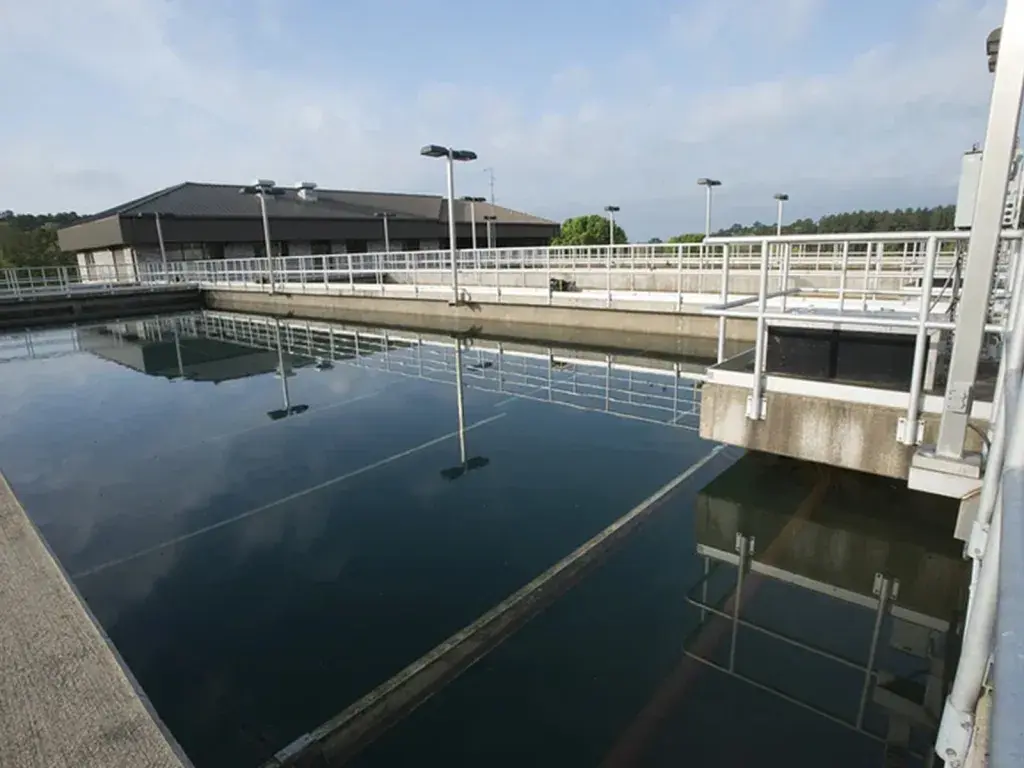
A compact sewage treatment plant still needs a complete process
A compact sewage treatment plant (STP) treats domestic wastewater within a constrained footprint, but “compact” does not mean one tank solves every duty. Screening, flow equalisation, biological treatment, solids separation, disinfection, sludge handling, controls, and safe maintenance access must follow representative flow, wastewater load, effluent target, and site conditions.
PT Beta Pramesti Asia designs compact sewage treatment plants for buildings, hotels, hospitals, estates, and industrial facilities. Its project basis separates the process package from civil works, incoming and outgoing connections, power, ventilation, installation, commissioning, and the operating responsibilities that the site must provide.
Indonesia’s Minister of Environment/Environmental Control Agency Regulation No. 11 of 2025 governs domestic-wastewater quality standards and treatment-technology standards and has been in force since 9 September 2025. The final design target must follow the applicable schedule, discharge or reuse route, environmental approval, and local project requirements—not an obsolete generic limit.
Technically reviewed: 31 July 2026.
Which process units does a compact STP need?
| Wastewater condition or project need | Unit or design response to evaluate | Evidence needed |
|---|---|---|
| Toilets, washrooms, and variable occupancy | Screening, collection sump, and equalisation | Hourly and daily flow profile, solids, peak factor, and storage response |
| Kitchen or canteen contribution | Grease control and source segregation before biology | Oil and grease, COD/BOD load, cleaning schedule, and disposal route |
| Biodegradable organic and ammonia load | Aerobic biological process using fixed media, MBBR, or another selected configuration | BOD, COD, ammonia, temperature, load variation, aeration, and design criteria |
| Suspended biological solids | Clarification or other solids-separation step | Settleability, return or wasting method, overflow basis, and carryover target |
| Pathogen or reuse requirement | Disinfection and, when needed, filtration or other polishing | Intended use, target parameters, contact requirement, residual, and monitoring |
| Sludge generated by the process | Storage, thickening, dewatering, transport, or scheduled desludging | Sludge quantity and quality, access, holding time, destination, and operator plan |
The biological wastewater treatment system and moving bed bioreactor (MBBR) pages provide process options for the biological stage. The selected train should be justified by wastewater evidence, not by equipment name alone.
What determines compact STP price?
| Design factor | Effect on scope and cost |
|---|---|
| Average and peak flow | Defines hydraulic capacity, tank volume, pumps, and controls |
| BOD, COD, TSS, oil, and ammonia | Defines process load and pretreatment needs |
| Effluent or reuse target | Defines biological, clarification, filtration, and disinfection stages |
| Site conditions | Defines civil works, lifting access, pipe connections, and panels |
| Operation and sludge | Defines aeration, instrumentation, service space, and desludging |
Price comparisons must use the same flow and load basis. A package that excludes grease pretreatment, civil works, lifting, interconnecting pipework, controls, installation, commissioning, sludge handling, laboratory evidence, or operator training is not commercially equivalent to a complete scope.
What is included in the published compact STP configuration?
| Item | Published page data | Project confirmation |
|---|---|---|
| Tank material | Chemical-resistant FRP | Resin system, dimensions, design loads, buried or above-ground condition, and site exposure |
| Wall thickness | 10-12 mm | Final engineering basis, reinforcement, lifting, transport, and installation method |
| Coating | UV-resistant pigment | Outdoor exposure, colour, finish, and maintenance requirement |
| Biological media | Local fixed media or European MBBR media | Media type, protected area basis, retention, screens, mixing or aeration, and replacement access |
Configuration is project-specific. Confirm pumps, blowers, diffusers, media, internal baffles, access covers, instruments, panel, alarms, ventilation, sampling points, and maintenance clearances in the approved equipment list and drawings.
What should a compact STP quotation and acceptance plan include?
| Quotation section | Buyer evidence |
|---|---|
| Design basis | Average and peak flow, user pattern, wastewater analysis, load, effluent or reuse target, and governing approval |
| Process and equipment | Flow diagram, design criteria, tank volume, equipment list, duty/standby philosophy, materials, instruments, and controls |
| Site boundary | Civil works, excavation, foundations, lifting, pipework, cabling, ventilation, utilities, access, and reinstatement split |
| Operating plan | Staffing, inspections, sampling, sludge withdrawal, chemical use, consumables, power, spares, and service access |
| Commissioning | Dry and wet checks, instrument calibration, seeding or biomass start-up, load ramp, training, and document handover |
| Acceptance | Stabilised test period, sampling location and laboratory, parameters, response to failed results, and responsibility boundary |
Where pretreatment or polishing is needed, review DAF, clarifiers, and wastewater-treatment chemicals. Send flow data, wastewater source, influent analysis, outlet target, available area, elevations, utilities, and scope boundaries through the Beta contact page.
Compact sewage treatment plant FAQs
Is user count enough to size a sewage treatment plant?
No. User count is an early estimate. Final sizing needs average and peak flow, occupancy pattern, wastewater sources, BOD, COD, TSS, oil and grease, ammonia, temperature, target effluent, equalisation, and planned operating hours.
Can a compact STP treat kitchen and medical wastewater in one tank?
Not automatically. Kitchen grease and high-strength or specialised streams can upset biological treatment, while medical or process wastewater may require segregation and separate risk review. Characterise each source and define pretreatment before combining streams.
Is MBBR always the best compact biological process?
No. MBBR can provide attached-growth treatment in a compact reactor, but process selection still depends on load, ammonia target, variability, temperature, oxygen transfer, media retention, solids separation, operating skill, and lifecycle requirements.
What should be sent for a compact STP proposal?
Send the flow profile, user and source breakdown, recent influent results, effluent or reuse target, site plan and elevations, utilities, discharge route, environmental documents, civil-mechanical boundary, preferred operating model, and project schedule.