

biological
Industrial Anaerobic Wastewater System | Beta Pramesti
Industrial anaerobic wastewater systems are selected from organic load, biodegradability, flow, temperature, toxicity, effluent, gas, sludge, and operation.
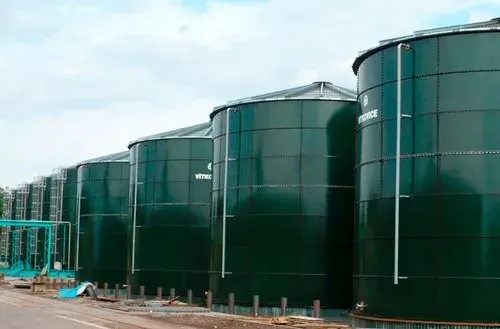
An anaerobic wastewater system degrades organic matter without supplying oxygen to the reactor and is worth evaluating for concentrated, biodegradable streams. It normally needs downstream treatment to meet the final effluent target. PT Beta Pramesti Asia, through beta.co.id, reviews loading, biodegradability, temperature, toxicity, alkalinity, gas, sludge, and polishing needs before designing an industrial system in Indonesia.
When should an anaerobic system be selected?
Anaerobic treatment is not an automatic choice simply because COD is high. The organic load must be sufficiently biodegradable and process conditions must support the biomass. pH swings, toxic compounds, solids, oil and grease, salinity, temperature, and startup requirements should be checked using representative data and, where needed, treatability testing.
| Influent or project condition | Selection implication | Evidence required |
|---|---|---|
| High, relatively consistent soluble organic load | Anaerobic treatment can be evaluated as an initial load-reduction stage | Flow, total/soluble COD, BOD, biodegradability, and production pattern |
| Highly variable load or frequent shutdowns | Equalisation, feeding strategy, and buffer capacity become important | Hourly/daily flow and load profiles plus the production calendar |
| High solids, FOG, or inhibitory chemicals | Upstream pretreatment or separation may be required | TSS, oil and grease, pH, salinity, temperature, and process-chemical list |
| Tight effluent or reuse target | Plan aerobic polishing and final units from the start | Parameter-specific targets, effluent variation, and filtration/disinfection needs |
What belongs in an anaerobic-system design?
The design should connect the reactor with equalisation, pretreatment, pH control, flow distribution, solids separation, gas handling, safety, and polishing. This page covers the Betaqua Anaerobic Filter Reactor with honeycomb media; the final configuration still depends on the wastewater and project design basis.
- Characterise the influent. Pair samples with flow and production data so daily and peak loads can be calculated.
- Test biodegradability and inhibition. Determine whether the organic matter can be treated and whether process chemicals inhibit the biomass.
- Define pretreatment. Control solids, FOG, pH shifts, and shock loads before the reactor.
- Set operating controls. Define sampling, feeding, pH/alkalinity, temperature, sludge, gas, and alarm responses.
- Design the final stage. Connect anaerobic effluent to aerobic treatment, clarification, filtration, or another unit according to the target.
Which operating parameters should be reviewed?
Operators should assess influent, reactor condition, and effluent as one trend. The minimum review includes flow and organic load, pH, alkalinity, temperature, solids, oil and grease, production changes, gas formation, sludge, and effluent quality.
| Symptom | First checks | Initial response |
|---|---|---|
| pH or alkalinity falls | Incoming load, acidic chemicals, equalisation, feeding, and process tests | Hold load increases and confirm the cause before chemical correction |
| Effluent COD rises | Load, biodegradability, toxicity, short-circuiting, and biomass | Stabilise the influent and audit distribution and reactor condition |
| Solids carryover increases | Separator, peak flow, sludge, and media condition | Reduce hydraulic disturbance and inspect solids retention |
| Odour or gas is uncontrolled | Covers, ventilation, gas route, pressure, and site safety procedure | Secure the area and follow the facility’s safety response |
Anaerobic wastewater system frequently asked questions
Can anaerobic treatment meet the discharge limit by itself?
Not always. Anaerobic treatment is commonly used to reduce organic loading, while aerobic polishing or another final unit is selected from the effluent target. The design basis should cover the complete treatment train.
Is every high-COD wastewater suitable for anaerobic treatment?
No. COD may include poorly biodegradable or inhibitory compounds. Composition, biodegradability, production variation, temperature, pH, salinity, and toxicity should be checked before selecting the process.
Which data should be sent for an evaluation?
Prepare minimum/average/peak flow, COD/BOD, TSS, FOG, pH, alkalinity, temperature, salinity, process chemicals, production pattern, effluent target, land, and utilities. Send them through the Beta Pramesti contact page to define sampling and treatability needs.