

boiler
How to Remove Industrial Boiler Scale | Beta Pramesti Asia
Remove boiler scale through deposit analysis, compatible cleaner selection, controlled circulation, rinsing, neutralisation, and restart verification.
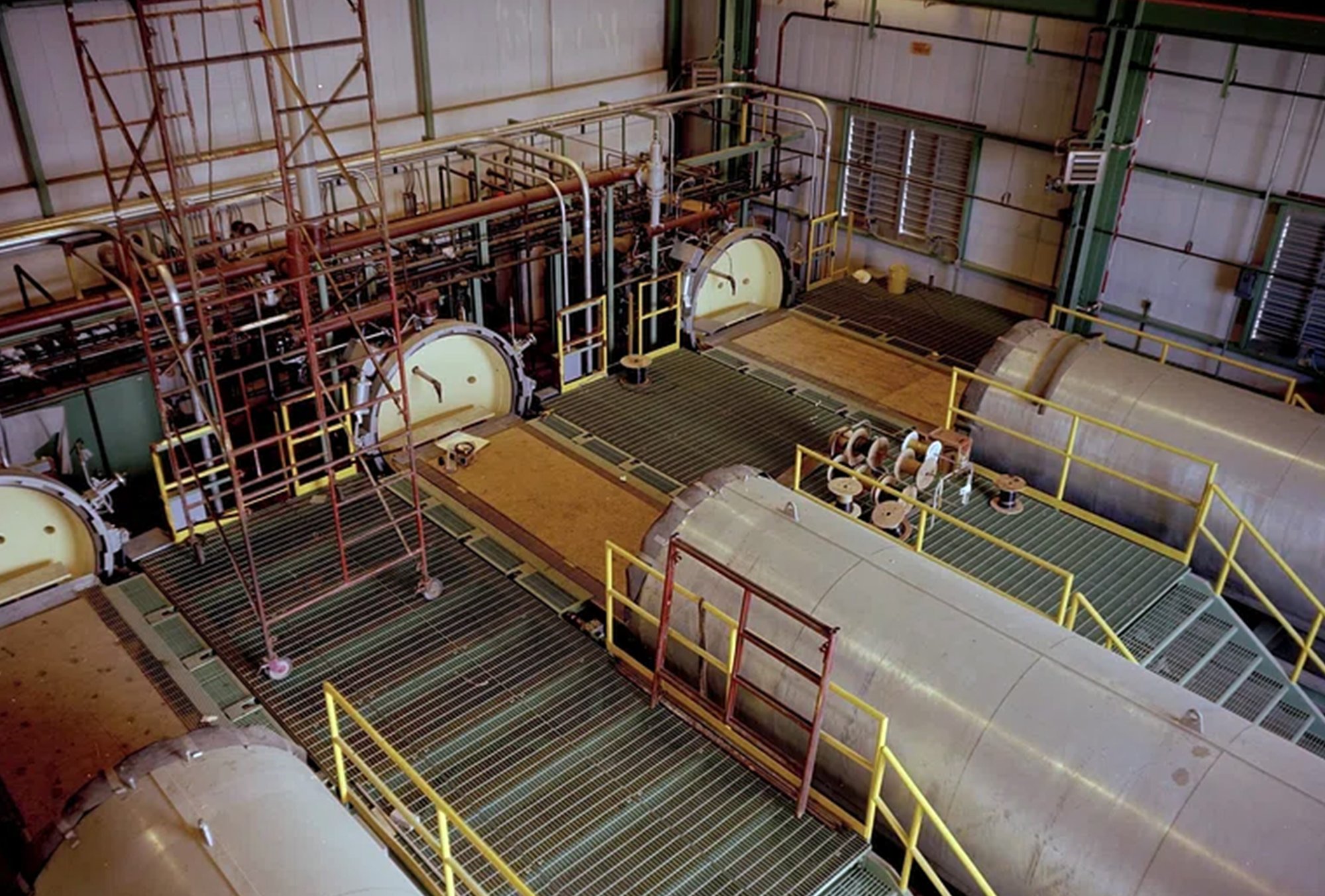
How to remove boiler scale safely
Safe boiler scale removal starts with inspection and deposit analysis, followed by selection of an inhibited cleaner compatible with the materials, controlled circulation, rinsing, neutralisation, and verification before return to service. PT Beta Pramesti Asia reviews every stage; acid type, concentration, temperature, and contact time should never be set from a scale symptom alone.
BETAGARD 3275, BETAGARD 2088, or another step can be selected only after reviewing the deposit, materials, mechanical condition, circulation method, rinsate route, site safety procedure, and OEM limits. The objective is not simply a clean-looking surface; it is deposit removal without material damage or residue that disrupts start-up.
Technically reviewed: 3 August 2026.
Six stages of boiler chemical descaling
The cleaning sequence should be approved before any chemical is circulated. Each stage needs an owner, monitored parameters, stop conditions, waste route, and acceptance evidence so decisions do not depend only on solution colour or circulation time.
- Confirm that cleaning is required. Review operating trends, inspection evidence, deposit thickness, and scale analysis to distinguish mineral scale, corrosion products, oil, or a mixed deposit.
- Check boiler materials and condition. Identify metals, gaskets, valves, temporary connections, thinned areas, and OEM limits that affect cleaner selection and exposure.
- Approve a written method. Define the cleaner, inhibitor, concentration, temperature, contact time, circulation direction, sample points, PPE, interlocks, and stop conditions.
- Circulate under monitoring. Record time, temperature, required solution pH or another product parameter, pump and hose condition, leaks, and deposit response.
- Rinse and neutralise. Use rinse-water quality, pH, conductivity, the relevant product parameter, and rinsate character to prove the endpoint and define the wastewater route.
- Verify return to service. Inspect the result, remove temporary connections, complete a leak test, fill with specified water, and establish the boiler-water baseline and early monitoring plan.
When does a boiler need chemical descaling?
Chemical descaling should be considered when inspection or operating data shows deposits that cannot be controlled through the normal boiler-water programme. Reduced heat transfer, higher fuel use, hot spots, or flow restrictions should be confirmed with water-quality data and inspection evidence before work begins.
| Boiler finding | Data to review | Step to evaluate |
|---|---|---|
| Mineral or silica scale | Deposit analysis, hardness, silica, and blowdown history | Descaling method, material compatibility, and rinsing |
| Rust or corrosion products | Materials, remaining thickness, pH, dissolved oxygen, and condensate condition | Inhibited cleaner and a corrected corrosion-control programme |
| Residue after acid cleaning | Rinsate pH, neutralisation endpoint, and wastewater route | Neutralisation and rinse verification |
| Recurrent deposits | Feed-water quality, pressure, TDS, alkalinity, and injection point | Review the Betagard boiler chemical programme so the issue does not return |
The U.S. Department of Energy explains that waterside deposits act as insulation and impede heat transfer. This supports inspection and cleaning as a decision path; the method, exposure limits, safety controls, and acceptance criteria still follow deposit analysis, materials, OEM requirements, current product TDS/SDS, and the facility procedure.
How are the cleaning endpoint and return to service proved?
A chemical-cleaning endpoint is not one universal number. Before circulation starts, the procedure should define stop conditions, rinsing, inspection, waste handling, and start-up evidence.
| Stage | Minimum evidence | Decision |
|---|---|---|
| During circulation | Time, temperature, required solution pH or other parameter, deposit/solution samples, leaks, and pump/hose condition | Continue, correct within the procedure, or stop for safety/material review |
| Reaction endpoint | Defined parameter trend, time/exposure limit, inspection where available, and responsible-person approval | End chemical contact under the written procedure |
| Rinse/neutralisation | pH, conductivity or relevant product parameter at the approved sample point, rinse volume, and rinsate character | Repeat the rinse, move to the next stage, or hold for investigation |
| Return to service | Inspection, removal of temporary connections, fill/feed-water quality, leak test, boiler-water baseline, and operating release | Begin a controlled start-up and early monitoring |
Betagard products for cleaning and neutralisation
BETAGARD 3275 for scale and corrosion products
BETAGARD 3275 is an inhibited liquid acid intended to help address scale and corrosion products on ferrous metals. Suitability must be evaluated against the deposit type, materials, mechanical condition, and planned circulation and rinse procedure.
BETAGARD 2088 for the neutralisation step
BETAGARD 2088 is used as a chemical-cleaning product for alkalinity control and may be evaluated as a final step after acid cleaning. The neutralisation endpoint, rinsate quality, and treatment route should be defined before the work starts.
Before selecting a cleaner or defining the rinse procedure, use the neutralizing cleaning chemical selection and rinsate-management guide to check material compatibility, the neutralisation endpoint, and the wastewater-treatment route. For field work, see the industrial boiler chemical-cleaning service.
What should a boiler chemical cleaning RFQ define?
A useful RFQ separates chemical supply, field execution, waste handling, and return-to-service responsibility. It should give bidders the same operating evidence and required deliverables so the site can compare scope, safeguards, and acceptance criteria—not only chemical price.
- Boiler capacity, pressure, materials, and operating history.
- Inspection findings and deposit or scale analysis, if available.
- Feed-water, boiler-water, and condensate quality, including relevant pH, hardness, silica, TDS, and dissolved-oxygen data.
- Previous cleaning history, chemicals used, and issues encountered.
- The circulation, rinse, neutralisation, rinsate-treatment, and site-safety plan.
- Required deliverables, including the written method, current TDS/SDS, site supervision, sampling records, waste documentation, inspection, and operating release.
Frequently asked questions
Is chemical descaling always required when a boiler has scale?
No. The decision depends on the deposit type and extent, material condition, operating impact, and whether the boiler-water programme can bring the problem under control. Inspection and operating data are needed before selecting chemical cleaning.
What is the difference between descaling and a routine boiler chemical programme?
Descaling removes deposits that have already formed. A routine programme controls feed water, boiler water, and condensate so scale and corrosion do not recur. After cleaning, review boiler water treatment to set continuing controls.
How can I request a boiler-cleaning evaluation?
Send the boiler data, inspection or deposit findings, water history, and operating constraint through the Beta Pramesti contact page. The team will review the available information before recommending the next step.
How do operators know that the chemical-cleaning rinse is complete?
Use written limits for pH, conductivity, active residue, or another relevant parameter at the approved sample point. Clear-looking water is not sufficient evidence; compare results with rinse-water quality, product documents, the waste route, and return-to-service criteria.