

physical separation
Manual WWTP Screen Selection & Acceptance | Beta Pramesti
Select a manual WWTP screen from flow, debris, bar opening, operator access, bypass and residue handling, then prove hydraulic capacity at acceptance.
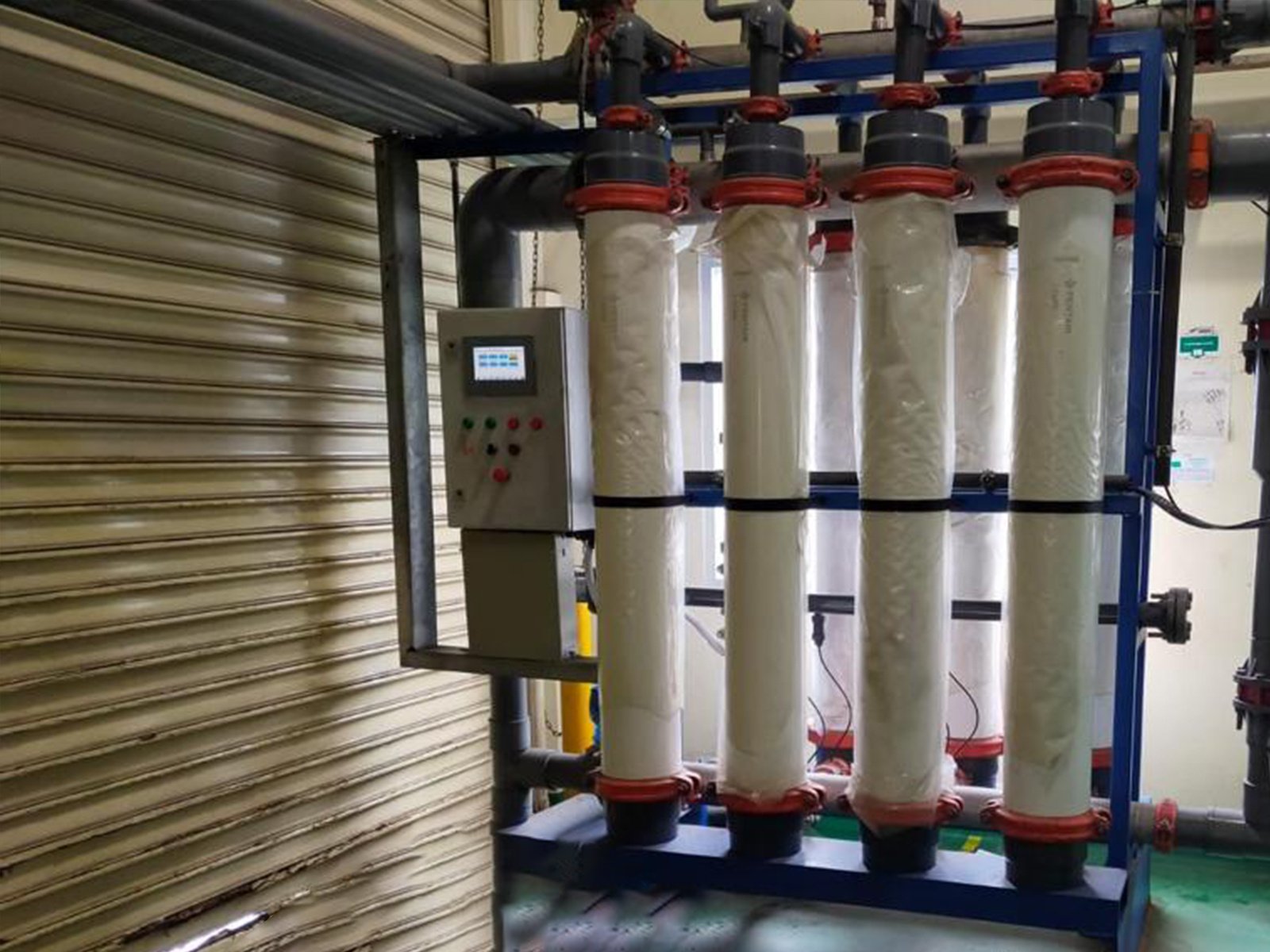
A manual WWTP screen suits coarse-solids removal when operators can rake the accumulated material safely without restricting flow. Selection should use peak flow, debris type and size, bar opening, channel geometry, bypass duty, cleaning access, and the screenings disposal route—not channel width alone.
PT Beta Pramesti Asia, through beta.co.id, supplies manual screens and integrates preliminary treatment for industrial wastewater plants in Indonesia. Scope can include data review, mechanical design, installation, commissioning, operator training, and agreed acceptance testing.
Last technically reviewed: 2 August 2026.
When is a manual screen preferable to an automatic screen?
A manual screen is appropriate when accumulation can be observed, raking frequency remains practical, and the facility provides safe access and residue handling. Evaluate an automatic screen for continuous flow, high or unpredictable debris loading, unsafe manual access, or when delayed cleaning could flood or disable upstream operations.
| Project condition | Manual screen | Automatic screen |
|---|---|---|
| Coarse-debris load | Low to moderate and predictable from inspection or field testing | High, rapidly changing, or requiring frequent cleaning |
| Operating pattern | Batch or intermittent duty with a defined inspection schedule | Continuous duty or no permanent operator at the inlet |
| Safety | Platform, guards, lifting aids, and rake position support safe work | Manual contact or residue lifting creates an unacceptable risk |
| Reliability | Bypass and operator response are demonstrably adequate | Automatic cleaning, alarms, interlocks, or duty/standby are required |
| Residue handling | Screenings can be drained, contained, and moved safely | A conveyor, compactor, washer, or other mechanical handling is needed |
The U.S. EPA preliminary wastewater treatment material covers screening, grit removal, flow equalization, operating problems, and troubleshooting. It supports screening as an early protective step; opening, materials, capacity, and cleaning method remain project-specific.
What belongs in a manual-screen RFQ?
A comparable RFQ states the hydraulic, solids, environmental, and supply-boundary conditions. A channel photograph or one flow number cannot establish open area, headloss, bar spacing, materials, and operator access.
| Minimum input | Evidence requested | Decision supported |
|---|---|---|
| Minimum, normal, and peak flow | Flow profile, peak duration, upstream/downstream levels, and backwater condition | Open area, unit count, headloss, and bypass capacity |
| Screenings character | Photographs or samples; size, shape, fibres, plastics, rags, wood, FOG, and grit | Bar opening and profile, rake, drainage, and additional pretreatment |
| Channel dimensions | Width, depth, invert, freeboard, access, and hydraulic grade line | Frame geometry, installation angle, sealing, platform, and civil work |
| Corrosive conditions | pH, temperature, salinity, chemicals, H2S, and indoor/outdoor exposure | Frame, bar, anchor, coating, and fastener materials |
| Operations and safety | Operating hours, staffing, lifting method, guarding, lighting, and confined-space boundary | Cleaning frequency, handling aids, SOP, and automatic-screen trigger |
| Residue route | Screenings volume, drainage, container, storage, transport, and final destination | Bin or bag arrangement, dewatering, hygiene controls, and working space |
When grit, oil, or fine TSS follows the coarse debris, connect the screen to the wastewater physical-separation train instead of asking one bar opening to perform every separation step. Compare an automatic screen when load or risk exceeds practical manual cleaning.
How should a manual screen be commissioned and accepted?
Acceptance should prove that the unit passes the agreed flow, retains the target debris, can be cleaned safely, and returns to service without uncontrolled bypass. A dry inspection proves fabrication only; it does not prove hydraulics or actual residue loading.
| Test point | Check | Acceptance evidence |
|---|---|---|
| As-built and materials | Dimensions, opening, alignment, anchors, welds, passivation/coating, and wall sealing | Drawing and material records match the approved revision; no side bypass remains |
| Hydraulics | Upstream/downstream level and headloss when clean and under representative load | No overflow or upstream-process disruption within the project envelope |
| Debris capture | Target material retained and material passing downstream | Performance matches the agreed debris list; no universal fine-TSS claim is made |
| Cleaning | Time, tools, posture, lifting, drainage, and residue-return access | Operators follow the SOP without removing guards or entering an unsafe area |
| Bypass and upset | Simulated blockage, high level, storm/peak flow, or unavailable operator | Response, alarm, bypass line-up, and decision authority are documented |
| Handover | SOP, inspection and cleaning logs, spare rake/fasteners, and training | Operations can run, record, and escalate abnormal conditions |
Drained screenings still need an approved handling route. Fine solids or downstream sludge should be aligned with industrial sludge treatment. For transfer pumps, level, and flow devices, review Watermart industrial pumps and water-treatment instrumentation after defining the duty point and liquid conditions.
Manual WWTP screen FAQs
What bar opening should a manual screen use?
There is no universal opening. Select it from the debris to be retained, allowable headloss, open area, downstream process, and operator cleaning capability. Confirm the choice against samples or residue inspections, then record the basis in the drawing and acceptance criteria.
Can a manual screen reduce TSS and COD to the discharge limit?
A manual screen retains coarse objects; it does not guarantee removal of fine TSS, colloids, or dissolved COD. Those parameters may require clarification, DAF, coagulation-flocculation, biological treatment, or polishing based on sampling and treatability evidence.
What information is needed for a quotation?
Send the flow profile, channel dimensions and elevations, screenings photographs or samples, wastewater quality, operating hours, required materials, layout, utilities for any auxiliary equipment, residue route, safety constraints, and acceptance criteria through the wastewater treatment contact page.