

ancillaries
Honeycomb Bio Media for Industrial WWTP | Beta Pramesti
Select honeycomb bio media for a WWTP from organic and ammonia load, media, flow, aeration, clogging risk, solids handling, test data, and acceptance criteria.
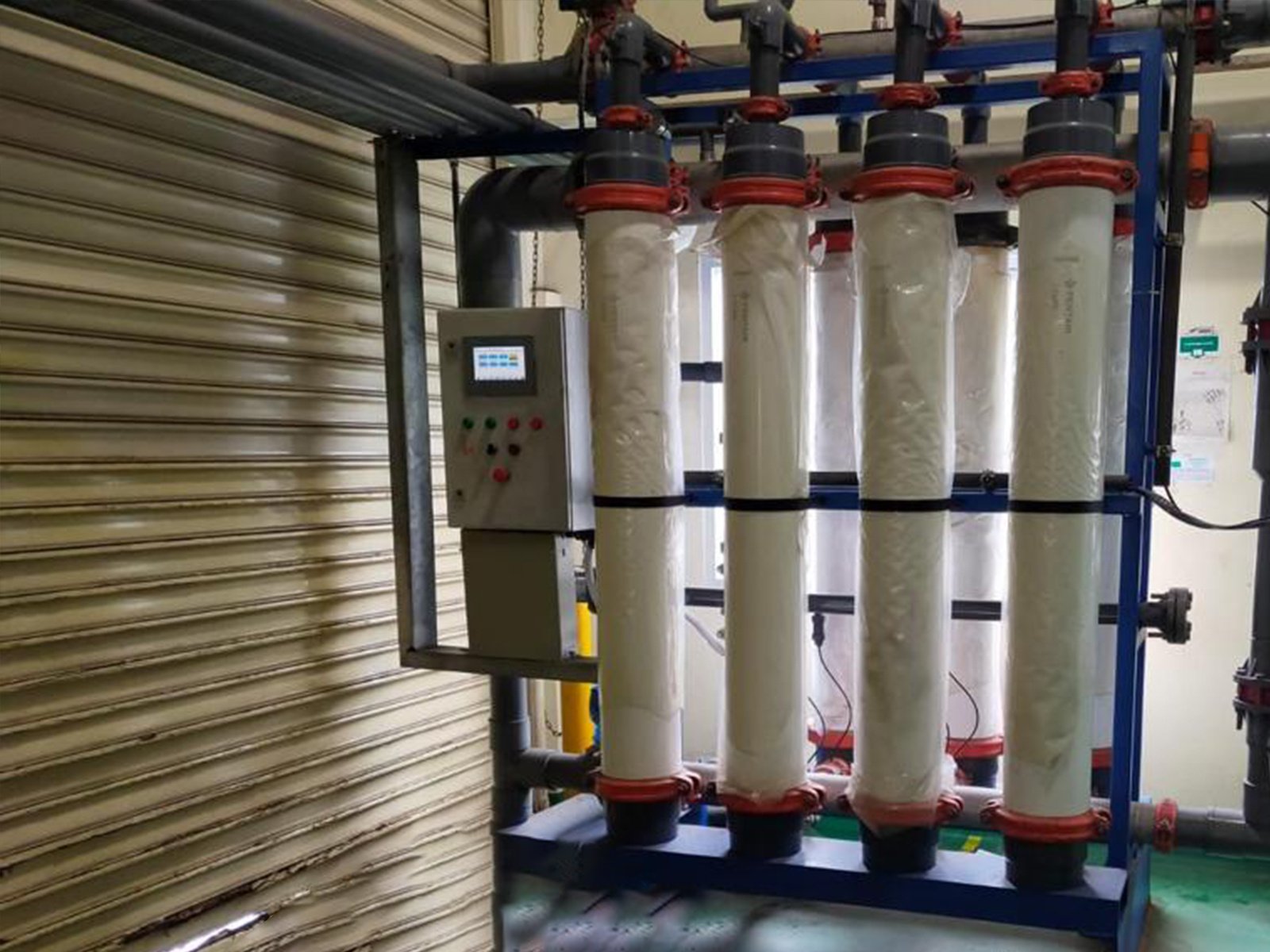
Honeycomb bio media is a fixed carrier for biofilm growth in a wastewater reactor. The media does not replace process design: performance depends on organic or ammonia loading, biodegradability, flow and aeration, media wetting, open area, clogging risk, biofilm sloughing, and downstream solids separation.
PT Beta Pramesti Asia, through beta.co.id, provides honeycomb-media evaluations and biological WWTP systems in Indonesia. A project scope may include media, supports, flow/air distribution, tanks, downstream treatment, installation, commissioning, sampling, and acceptance testing.
Technically reviewed: 1 August 2026.
When is honeycomb bio media worth evaluating?
Honeycomb media is worth testing when a project needs a fixed-film process and can maintain even flow, the designed aerobic or anaerobic condition, and solids removal. Do not select it from shape or a surface-area claim alone; wastewater data and reactor configuration determine how much media area is biologically active.
| Project condition | Selection question | Evidence required |
|---|---|---|
| Aerobic fixed-media reactor | Are air, flow, and wetting distributed across every block? | Diffuser layout, flow distribution, DO, headloss, and media inspection |
| Ammonia removal is required | Do alkalinity, temperature, oxygen, and contact time support nitrification? | Ammonia profile, pH, alkalinity, temperature, DO, and media loading |
| Wastewater has high TSS, oil, or fibres | Does pretreatment prevent coating or clogging? | Screening, DAF/clarifier, inlet TSS/oil, and cleaning plan |
| Existing tank will be retrofitted | Are structure, hydraulics, access, and working volume adequate? | Tank drawings, elevations, supports, lifting access, bypass, and capacity during work |
| Reactor effluent carries sloughed biofilm | How are solids separated and sludge handled? | Settling test, clarifier, filtration, sludge holding, and dewatering |
The U.S. EPA Wastewater Technology Fact Sheet—Trickling Filters explains the attached-growth principle: microorganisms grow on media and part of the biofilm can slough, requiring downstream separation. Submerged honeycomb or another configuration still needs its own design basis and supplier data.
How do fixed media, MBBR, and activated sludge differ?
Process selection follows the biomass-retention method and the way oxygen, solids, and operator duties are controlled. All three may be suitable, but their requirements for media, screens, sludge return, and final separation differ.
| Process | How biomass is retained | Primary buyer question |
|---|---|---|
| Honeycomb/fixed-bed bio media | Biofilm attaches to stationary media blocks | How are flow, aeration, supports, access, clogging, and sloughing controlled? |
| Moving bed bioreactor | Biofilm grows on moving carriers retained by a screen | Are mixing, aeration, fill fraction, carrier retention, and solids separation adequate? |
| Activated sludge | Biomass remains suspended and a portion returns from a clarifier | Are settling, return/waste sludge, sludge age, and clarifier capacity stable? |
Use the industrial biological wastewater-treatment programme to compare processes from influent data, effluent targets, space, operators, utilities, and test evidence—not from the media name alone.
What should a bio-media quotation state?
A quotation should connect the media identity to its process duty and installation scope. Where a media specification or loading basis is unavailable, mark it as open data rather than turning it into a performance guarantee.
| Data group | Minimum content | Deliverable to request |
|---|---|---|
| Influent | Flow, biodegradable BOD/COD, TSS, oil, ammonia, nitrogen, pH, temperature, salinity, and inhibitors | Loading basis, pretreatment, process zones, and treatability-test need |
| Target | Effluent parameters, load to remove, discharge/reuse, and operating variation | Biological duty and downstream polishing/separation |
| Media | Manufacturer, model, material, dimensions, protected area, open area, density, quantity, and TDS | Traceable identity and quantity basis |
| Reactor | Working volume, depth, flow, supports, aeration/mixing, recycle, drains, and access | Layout, headloss, distribution, installation, and maintenance |
| Operation | Start-up, seeding where used, monitoring, wasting/sloughing, cleaning, shutdown, and spares | SOP, alarms, logsheet, and response plan |
| Acceptance | Test condition, duration, sampling, loading, parameters, utilities, and upset limits | Measurable criteria to accept or hold the system |
For blowers, recycle pumps, flow meters, and DO, pH, or level sensors, review Watermart pumps and water-treatment instrumentation. Component selection follows the actual reactor configuration and fluid conditions.
How should media commissioning be accepted?
Acceptance should prove flow distribution, biological condition, effluent quality, and handling of sloughed biofilm at the agreed loading. Media colour or the presence of a visible film alone does not prove process performance.
- Freeze the media identity, quantity, configuration, and initial condition.
- Verify pretreatment, flow, aeration or anaerobic condition, instruments, and solids route.
- Document start-up, biomass source where used, and the approved loading ramp.
- Collect representative inlet/outlet samples and record flow, pH, temperature, DO, ammonia, and other project parameters.
- Inspect distribution, headloss, clogging, odour, foam, biofilm sloughing, and solids carryover.
- Compare results with the project criteria; correct the process cause before adding media without a loading balance.
Frequently asked questions about honeycomb bio media
Is higher media surface area always better?
No. A surface-area figure should state the method and biologically available area. Open space, wetting, diffusion, aeration, flow, clogging, and the operator’s ability to inspect and clean the media may limit actual performance more strongly.
Can honeycomb media be installed directly in an old tank?
Only after the tank, supports, flow, aeration, loading, pretreatment, access, and solids separation are reviewed. A retrofit without adequate distribution or a solids route can shift the problem to clogging, carryover, or oxygen limitation.
What data is needed for an evaluation?
Send flow/loading profiles, influent analysis, effluent target, tank drawings, aeration system, upstream/downstream process, existing media, upset history, space, utilities, operator capability, and acceptance criteria through the Beta Pramesti Asia contact page.