

mining
Red Mud Thickener Flocculant | PT Beta Pramesti Asia
Red mud flocculant for faster settler or thickener separation. Select from slurry tests, overflow clarity, underflow density, shear, and tested plant dose.
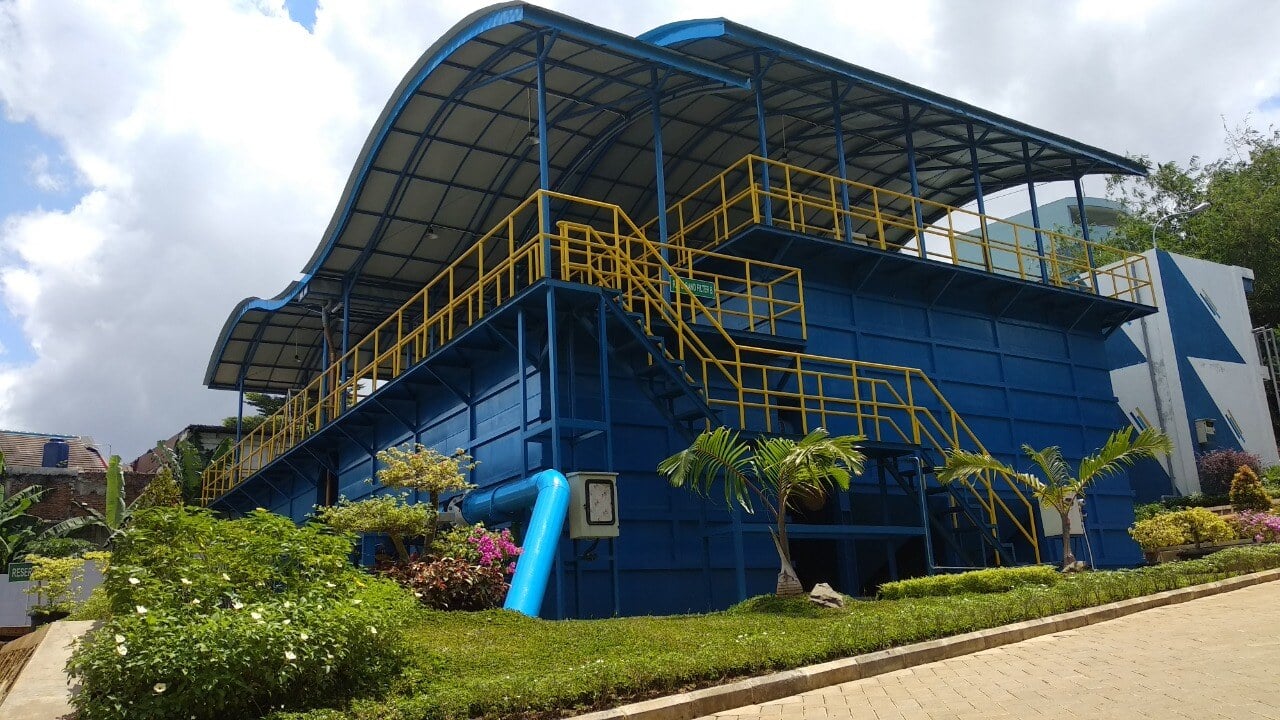
A red mud flocculant helps fine particles in alumina-process residue slurry form flocs that can settle in a settler or thickener. Do not select a product from the polymer name alone: tests on the actual slurry must compare settling rate, overflow clarity, underflow density, tested dose, and the floc’s resistance to shear.
PT Beta Pramesti Asia, through beta.co.id, supplies flocculants and solid-liquid separation application support for industry in Indonesia. Evaluation starts with mineralogy, alkalinity, solids percentage, temperature, particle-size distribution, dilution, and the installed make-down and injection conditions.
How should a red mud flocculant be selected?
Red mud flocculant selection requires staged tests on samples that represent normal and upset operation. Initial screening compares polymer types and doses; later tests assess dilution, mixing energy, contact time, and thickener conditions.
| Operating question | Data or test required | Decision supported |
|---|---|---|
| Is the overflow clear enough? | Overflow TSS or turbidity, settling time, and particle carryover | Polymer type, dose, and need for upstream coagulation |
| Is the underflow dense enough for the next step? | Solids percentage, yield stress, settled volume, and pumpability | Thickening target, withdrawal rate, and dewatering route |
| Why does dose keep increasing? | Stock concentration, hydration time, make-down water, and pump calibration | Correct preparation before changing product |
| Why do flocs break? | Injection point, mixing, pump/pipe shear, and time to the feedwell | Injection location, mixing energy, and molecular-weight choice |
| Can the laboratory result transfer to the plant? | Flow, solids percentage, temperature, feedwell geometry, and upset pattern | Plant trial with measurable acceptance limits |
Do not assume that one anionic flocculant will suit every red mud. Residue composition, soda content, fines, and liquor quality can change with ore and process conditions. Compare candidates under one procedure and state dose consistently as commercial product or active material.
How should the slurry test and plant trial be run?
An auditable test keeps the sample, preparation, mixing, observation time, and measurement method consistent. The objective is not simply the fastest-settling beaker, but a condition that balances overflow quality, underflow properties, and thickener operation.
- Collect a representative sample and record temperature, solids percentage, pH, and sampling time.
- Prepare polymer solution with documented concentration, water quality, addition sequence, and hydration time.
- Run a dose sweep under consistent mixing; measure settling rate, overflow clarity, settled volume, and floc character.
- Repeat the strongest candidates across realistic load variations and check shear sensitivity.
- Define a plant trial with one main change at a time, a calibrated pump, clear sample points, and written acceptance limits.
- Trend polymer consumption, overflow TSS, bed stability, underflow, torque, and operating upsets before setting the routine programme.
Make-down and injection equipment should match product form, solution concentration, flow range, wetted materials, and standby requirements. For feed hardware, review Watermart dosing pumps for water treatment.
What should be checked when thickener performance deteriorates?
| Symptom | First checks | Evaluation response |
|---|---|---|
| Cloudy overflow | Actual dose, polymer preparation, feed solids, and feedwell condition | Restore the test basis before raising dose |
| Unstable bed | Feed/underflow rates, solids inventory, torque, and settling rate | Rebalance the solids mass and withdrawal schedule |
| Fine or fragile floc | Shear, injection order, contact time, and stock concentration | Test a different injection point or mixing condition |
| Polymer use increases sharply | Pump calibration, make-down water, ageing, and slurry change | Verify delivery and the sample before changing grade |
| Underflow is difficult to pump | Solids percentage, rheology, pipework, pump, and dewatering target | Align the thickening target with downstream capability |
Connect this evaluation with the industrial flocculant range, sludge-treatment options, and clarifier selection. Where the final target is a cake, compare underflow data with the requirements of a Betaqua screw press.
Frequently asked questions about red mud flocculants
Can dose be set from solids percentage alone?
No. Solids percentage matters, but particle-size distribution, liquor chemistry, temperature, shear, polymer preparation, and overflow/underflow targets also affect the result. The starting dose should come from controlled tests and be confirmed in the plant.
Why does polymer hydration time matter?
A polymer that has not dispersed and hydrated correctly can give unstable results or obstruct the make-down system. Follow the product data, verify water quality and mixing, and record preparation time for each test.
What data is needed for an evaluation?
Send the process diagram, flow, temperature, pH, solids percentage, particle-size distribution where available, settling results, overflow TSS, underflow target, polymer consumption, make-down conditions, injection point, and upset history through the Beta contact page.