

cooling tower
Sentinel CTS Cooling Tower Monitoring | Beta Pramesti
Sentinel CTS cooling-tower monitoring connects sensors, alarms, water-quality trends, blowdown, and dosing to support an industrial chemical programme.
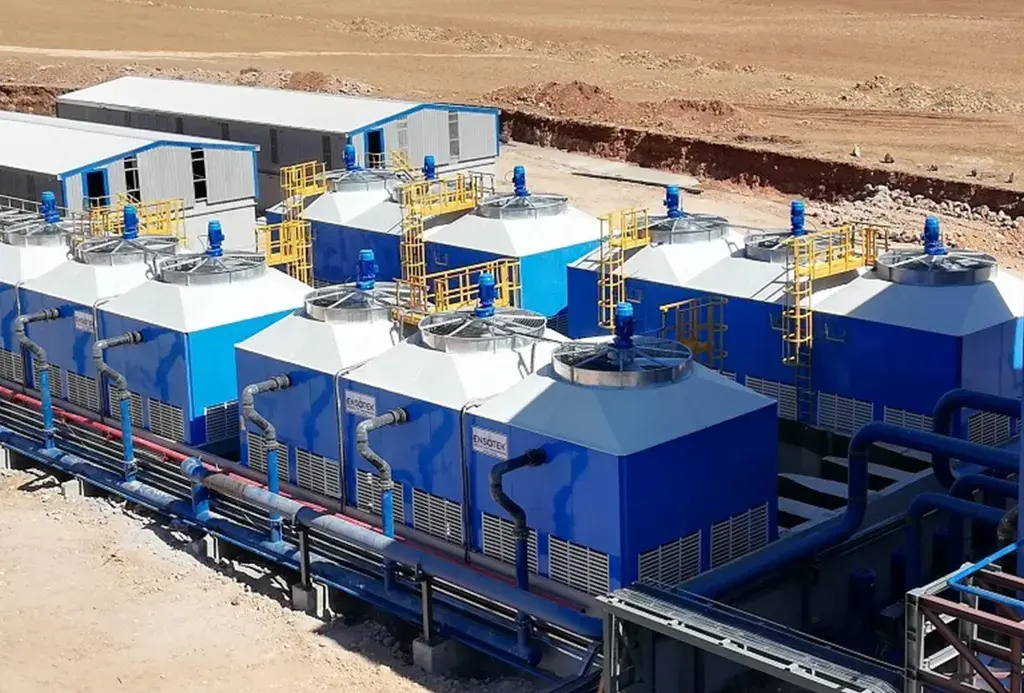
Useful cooling-tower monitoring turns sensor data into blowdown, dosing, inspection, and sampling decisions rather than simply displaying numbers. PT Beta Pramesti Asia, through beta.co.id, supplies Betaqua Sentinel CTS to support industrial cooling-tower programmes in Indonesia, with parameters and alarms selected from tower configuration, make-up quality, water chemistry, and operator needs.
Which parameters should be monitored?
The parameter list should reflect system risks and the instruments actually installed. Conductivity is commonly used for blowdown control, while pH, temperature, flow, level, pump status, or dosing signals can be added according to the design and integration requirement.
| Signal or data | Operator question | Action it can trigger |
|---|---|---|
| Conductivity | Has water concentration moved above its limit? | Check the sensor, make-up, and blowdown |
| pH | Has water chemistry left the programme range? | Verify a sample and check dosing or contamination |
| Flow and pump status | Is chemical actually being injected? | Check the tank, pump, tubing, and interlock |
| Temperature or load | Has a process change altered scale or microbiological risk? | Review set points, sampling, and inspection frequency |
| Repeated alarm | Is there a process issue or a dirty sensor? | Compare with a manual test before changing dose |
How is Sentinel CTS implemented?
- Define control objectives and operating limits for each cooling-tower circuit.
- Select sensors, sample points, and injection points that represent system conditions.
- Configure alarms, delays, interlocks, and user access for operator responsibilities.
- Compare sensor readings with manual methods during commissioning and calibration.
- Review trends with water use, blowdown, chemicals, corrosion, deposits, and microbiology results.
Sentinel CTS data should be read with the cooling-tower chemical programme, scale inhibitors, corrosion inhibitors, and biocides. Automation improves consistency but does not replace sampling, inspection, or operator validation.
Frequently asked questions about cooling-tower monitoring
Can Sentinel CTS connect to a BMS or SCADA system?
Integration should be confirmed from the interface, protocol, I/O, network security, and project scope. Provide the available control architecture so compatibility can be reviewed before ordering.
Can a sensor determine the chemical dose by itself?
A sensor supplies a signal to the control logic, but dosing still requires programme limits, pump calibration, test-result verification, and safety interlocks. Do not increase dose from one changing sensor alone.
What data is needed to select a configuration?
Send the number and volume of circuits, make-up and blowdown rates, existing parameters, water analysis, chemicals, dosing pumps, panel or BMS/SCADA, alarm needs, and installation location through the Beta Pramesti contact page.