

ancillaries
Dissolved Air Flotation Systems | Beta Pramesti Asia
Dissolved air flotation (DAF) systems reduce TSS, fats, oils, and phosphorus in industrial wastewater through design data, jar tests, and commissioning.
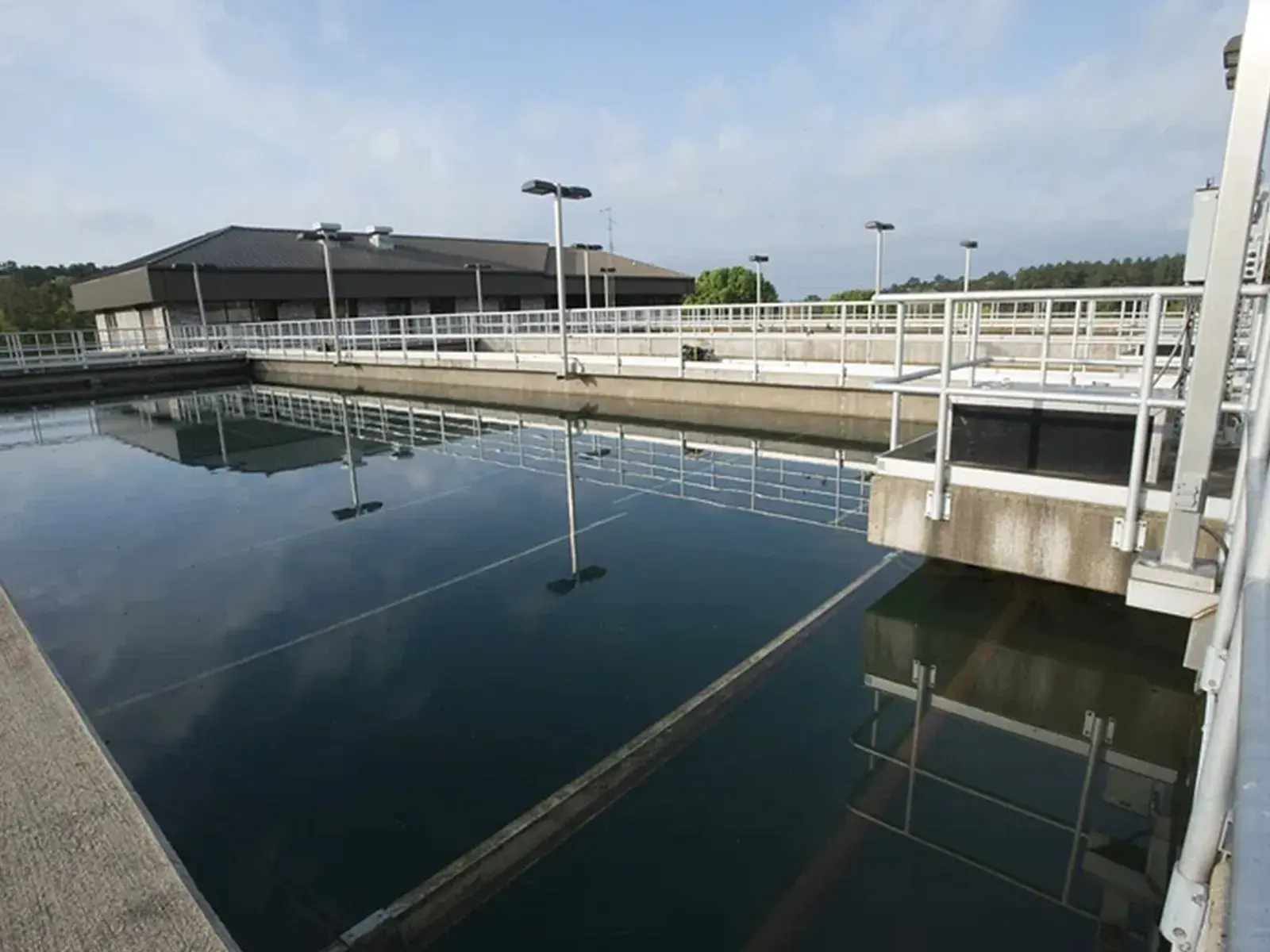
Dissolved Air Flotation: Short Answer
Dissolved air flotation (DAF) separates TSS, fats, oils, and floc from industrial wastewater with microbubbles that lift contaminants for surface skimming. PT Beta Pramesti Asia selects a DAF system from peak flow, TSS/FOG load, oil form, jar-test results, recycle demand, and the sludge-handling route.
DAF should be evaluated as part of a treatment train, not as a tank alone. Coagulation and flocculation, saturation pressure, recycle rate, skimmer arrangement, and the required effluent quality determine the design and commissioning result.
| Design input | Why it matters |
|---|---|
| Average and peak flow | Sets hydraulic capacity and operating buffer |
| TSS, FOG, COD, pH, and oil form | Defines jar-test and pretreatment requirements |
| Effluent target and downstream process | Defines the DAF role ahead of biological treatment, membranes, or discharge |
| Sludge volume and route | Defines thickening, dewatering, and handling needs |
Before selecting capacity, use the industrial wastewater DAF sizing guide to prepare peak flow, TSS/FOG load, jar-test, recycle, and sludge data.
If the oil form has not been mapped, start with the API separator, CPI, and DAF selection guide to distinguish free oil, fine droplets, emulsions, and a staged treatment train before sizing the unit.
Applications
- Biological Treatment: Effectively manages biological waste.
- Dairy Industry: Removes fats and solids from milk production processes.
- Electronics: Purifies water for electronics manufacturing processes.
- Agriculture: Treats agricultural wastewater for reuse.
- Food & Beverage: Maintains water cleanliness in production processes.
- Leachate: Manages leachate water with high efficiency.
- Meat Processing: Removes fats and proteins from meat processing waste.
- Mining Industry: Treats mine water to meet environmental standards.
- Paper Mills: Manages wastewater from paper production.
- Pharmaceuticals: Maintains water quality in pharmaceutical production.
Key Features
- High Efficiency: Removes TSS and FOG with a high-performance dissolved air system, achieving up to 99.9% air release efficiency.
- Proven Reliability: Used in over 2,000 applications across various industries.
- Space-Saving Design: Compact and efficient Betaqua DAF unit.
- Easy Installation: Betaqua DAF units are supplied prefabricated, ready to install.
- Quick Response and Global Support: Supports clients in over 50 countries with fast and reliable international service.
- Durable Materials: Available in various materials such as carbon steel with epoxy or FRP coating, SUS304 or SUS316L stainless steel, and 2205 or 2507 duplex steel.
NEED THE BEST DISSOLVED AIR FLOTATION?
Contact our team for a consultation on the Dissolved Air Flotation system that suits your needs.
Dissolved Air Flotation Specifications
Common Questions
When does DAF need coagulant or flocculant?
Assess coagulant or flocculant through a jar test when fine solids, emulsified oil, or colloidal matter will not float reliably by themselves. Betagard PAC Series can form part of the trial, but the dose and feed sequence must be proven with the actual wastewater.
Learn More
Typical Applications
- Palm Oil Industry (CPO) — Removes free oil, suspended solids, and fat residues from POME (Palm Oil Mill Effluent) before the biological unit, significantly reducing organic loading.
- Meat and Fisheries Processing Industry — Separates fats, suspended proteins, and TSS from slaughterhouse, fish processing, and seafood industry wastewater with > 90% efficiency.
- Paper and Pulp Industry — Removes fine cellulose fibers, pitch, and ink from deinking and bleaching process wastewater before the biological treatment stage.
- Dairy Processing Industry — Separates milk fat and casein protein from dairy plant wastewater, producing pre-treated effluent with FOG < 50 mg/L.
- Surface Water Treatment (Pre-treatment) — DAF is used as a replacement or complement to clarifiers at water treatment plants with high algae loads, mechanically removing algal cells without heavy coagulation.
- Mining Industry — Treats mine wastewater containing fine mineral particles and oil from heavy equipment to meet quality standards before discharge to the environment.
Compatible Products
- Moving Bed Bioreactors (MBBR) — DAF as pre-treatment for MBBR or other biological systems reduces FOG and coarse TSS that can inhibit biofilm growth and poison biological biomass.
- Membrane Bio Reactors (MBR) — A combination of DAF + MBR in food industry wastewater treatment trains produces very high-quality effluent ready for discharge or reuse.
- BETAGARD Poly Aluminium Chloride Series — Adding PAC or coagulant before the DAF unit improves floc formation, increasing TSS and FOG flotation efficiency, especially for wastewater with very fine particles.
Installation Context
Betaqua DAF units are supplied prefabricated (skid-mounted) in epoxy-coated carbon steel, SUS304, or SUS316L stainless steel, depending on wastewater corrosivity. The system consists of a saturation tank (pressurized vessel), recycle pump, and main DAF tank with an automatic skimmer. The footprint of a 20-50 m³/h capacity unit is approximately 4×3 meters, excluding coagulant and flocculant tanks. Required utilities: 380 V three-phase electrical power for the recycle pump and skimmer, compressed air at 6-8 bar (or using an integrated compressor), and pressurized feed water supply at 1-2 bar. The float sludge (skimmings) generated requires further handling — thickener or belt press. Commissioning takes 2-3 working days, including saturation pressure calibration, TSS/FOG removal efficiency testing, and operator training.