

BETAFLOW 9500 Series is a pour point depressant for crude oil pipelines that also disperses paraffin. In this field application, continuous wellhead injection modified wax crystallisation, dispersed existing paraffin, stabilised flow-line pressure, reduced recurring maintenance, and restored crude-oil flow to 100% capacity.
Last technically reviewed: 29 July 2026.
Paraffin deposition is one of the most persistent crude-oil flow assurance challenges. Wax crystals accumulating inside a pipeline can restrict fluid movement, increase operating pressure, reduce production efficiency, and eventually cause a complete blockage. The operator therefore required a treatment that could both lower pour point and control paraffin deposits.
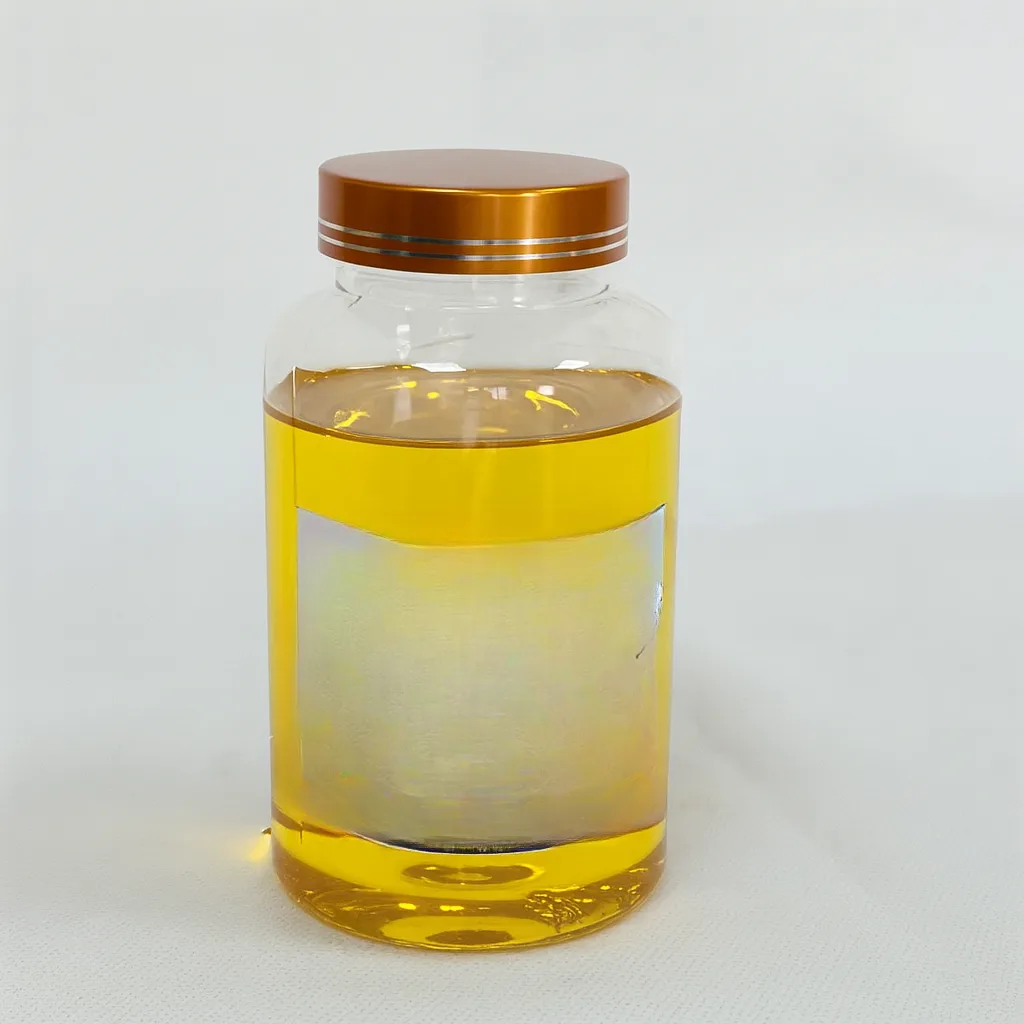
Case Study Overview
| Information | Details |
|---|---|
| Industry | Oil Industry |
| Main Challenge | Paraffin and wax deposition in crude oil flow lines |
| Applied Solution | Continuous injection of BETAFLOW 9500 pour point depressant and paraffin dispersant |
| Injection Location | Wellhead |
| Main Result | Crude oil flow restored to 100% capacity |
| Key Product | BETAFLOW 9500 Series |
What evidence shows the program will transfer to another pipeline?
A paraffin-dispersant program must be validated against representative crude-oil samples, the temperature profile, hydraulic conditions, and a controlled dose trial for the target system. The 100% capacity result above belongs to this application; it is not a universal guarantee. A 2022 peer-reviewed review of wax mitigation in crude-oil pipelines also describes chemical, thermal, and mechanical control routes, so the product and injection point should follow the actual deposit mechanism.
| Evidence before and during the trial | What it establishes | Buyer decision |
|---|---|---|
| Crude-oil and deposit samples | Pour point, wax tendency, viscosity versus temperature, and deposit type | Whether a PPD and paraffin-dispersion program fits |
| Pipeline profile | Temperature, pressure, flow, deposit locations, shutdowns, and restart conditions | Where to inject and which operating range to test |
| Operating baseline | Pressure trend, flow capacity, pigging or cleaning history, and disruption frequency | The untreated comparison |
| Injection control | Product, concentration, calibrated injection rate, time, and process conditions | Whether the observed change is traceable to the trial |
| Acceptance criteria | Normalised flow and pressure, deposits, maintenance demand, and downstream effects | Continue, correct the dose, or stop the trial |
About the Customer

The customer is an oil and gas field operator focused on maximizing production efficiency, maintaining reliable crude oil transportation, and minimizing equipment downtime through advanced chemical solutions for flow assurance.
The operator required a dependable treatment program that could maintain crude oil mobility under demanding production and temperature conditions while reducing the operational risks associated with paraffin deposition.
The Challenge
The field operator encountered persistent paraffin accumulation inside its crude oil flow lines. The deposits formed thick and adhesive wax layers along the internal pipeline surfaces.
As the paraffin deposits continued to build up, the available flow area became increasingly restricted. This condition caused several operational problems:
- Increased pressure inside the crude oil flow lines.
- Restricted crude oil movement through the pipeline.
- Reduced production and transportation efficiency.
- Higher risk of partial or complete pipeline blockage.
- Increased frequency of pipeline inspection and maintenance.
- Greater potential for production interruptions and unplanned downtime.
The recurring wax buildup threatened production targets and increased the maintenance burden on the field operations team. Conventional corrective cleaning could remove some existing deposits, but it did not provide sufficient long-term protection against recurring paraffin crystallization.
The operator therefore required a proactive chemical solution capable of dispersing existing deposits while inhibiting the formation and agglomeration of new wax crystals.
The Solution
After evaluating the available mitigation strategies, the technical team selected BETAFLOW 9500 Series, a pour point depressant that also disperses paraffin deposits into the produced oil. The program was designed to improve crude-oil mobility and control wax deposition.
The product was applied through continuous injection at the wellhead. At this location, the crude oil remained at an elevated temperature, allowing the treatment chemical to mix effectively with the oil before significant wax crystallization occurred further along the pipeline.
BETAFLOW 9500 provided a dual-function treatment mechanism:
-
Paraffin dispersion
The treatment helped disperse existing wax particles and reduced their tendency to adhere to the internal surfaces of the pipeline.
-
Wax crystal modification
BETAFLOW 9500 modified the formation and structure of wax crystals, reducing agglomeration and helping the crude oil remain mobile at lower operating temperatures.
-
Continuous flow protection
Continuous injection maintained an effective concentration of the treatment chemical within the crude oil stream, providing ongoing protection throughout pipeline operation.
-
Reduced deposit formation
By controlling wax crystallization before extensive deposits could form, the treatment reduced restrictions inside the flow line and supported stable crude oil transportation.
The injection program was monitored by the field operations team to confirm improvements in pipeline pressure, crude oil mobility, flow stability, and maintenance requirements.
The Results
The implementation of BETAFLOW 9500 delivered measurable improvements in pipeline and production performance.
Crude Oil Flow Restored to 100%
Crude oil transportation was restored to full operating capacity. The restrictions caused by heavy paraffin accumulation were eliminated, allowing liquid oil to move smoothly through the flow lines.
Stable Pipeline Operation
Pipeline operation became more stable after the continuous treatment program was implemented. The operator no longer experienced the recurring pressure increases previously associated with severe wax buildup.
Prevention of New Paraffin Deposits
BETAFLOW 9500 helped inhibit further paraffin crystallization and reduced the formation of new adhesive wax layers inside the pipeline.
Reduced Maintenance Frequency
The need for repeated pipeline cleaning and corrective maintenance decreased significantly. This allowed the maintenance team to focus on planned activities instead of responding to recurring flow-line restrictions.
Lower Operational Downtime
With fewer paraffin-related interruptions, the operator reduced unplanned downtime and improved equipment availability.
Improved Production Performance
Stable crude oil transportation supported more consistent production performance and reduced the risk of production losses caused by blocked or restricted pipelines.
Operational Impact
The continuous BETAFLOW 9500 injection program generated several important operational benefits:
- Crude oil flow maintained at 100% capacity.
- Smoother transportation through the pipeline.
- Reduced wax and paraffin accumulation.
- More stable flow-line pressure.
- Lower risk of pipeline blockage.
- Reduced cleaning and maintenance requirements.
- Fewer unplanned production interruptions.
- Improved equipment and pipeline availability.
- Lower overall operating and maintenance costs.
These results demonstrated that an appropriately designed pour point depressant and paraffin-dispersant program can provide both immediate and long-term improvements in crude-oil flow assurance.
Customer Testimonial
“After years of dealing with paraffin issues that frequently obstructed our crude oil flow, we finally found a solution that truly works.
Since implementing BETAFLOW PP through continuous injection, the improvement has been remarkable. The oil flow in our pipelines is now much smoother, with no more heavy wax buildup that previously caused pressure spikes and recurring line problems.
We have seen a significant increase in production performance, and the frequency of pipeline maintenance has noticeably decreased.
We are extremely satisfied with the results. BETAFLOW PP has proven to be effective and provides a consistent solution to the paraffin challenges in our field.”
Syafrudin Field Operations Representative
Why BETAFLOW 9500 Pour Point Depressant?
BETAFLOW 9500 is designed to support crude-oil flow assurance programs in production systems affected by wax and paraffin deposition. Its pour point depressant function modifies wax crystallization, while its paraffin-dispersant function helps keep existing paraffin suspended in the produced oil.
Its application can help operators:
- Reduce crude oil pour point.
- Modify wax crystal formation.
- Disperse paraffin particles.
- Minimize wax adhesion to pipeline surfaces.
- Maintain crude oil mobility.
- Stabilize flow-line performance.
- Reduce pipeline cleaning requirements.
- Protect production continuity.
The appropriate product selection, injection dosage, and treatment location should be determined through crude oil analysis, field operating data, temperature profiles, and production conditions.
Key Product: BETAFLOW 9500 Series
BETAFLOW 9500 Series pour point depressant and paraffin dispersant lowers crude-oil pour point, modifies wax-crystal formation, inhibits new paraffin deposits, and helps disperse existing paraffin into the produced oil.
Product selection should be based on laboratory testing and field conditions to ensure compatibility with the crude oil characteristics and production system.
Frequently Asked Questions
Is BETAFLOW 9500 a pour point depressant or a paraffin dispersant?
It performs both functions. The formal product class is pour point depressant because it lowers crude-oil pour point and modifies wax crystals. The formulation also helps disperse existing paraffin deposits into the produced oil.
Is “pour point dispersant” the standard term?
No. The standard term is pour point depressant. The dispersing function is more accurately described separately as paraffin dispersant.
Where was BETAFLOW 9500 injected in this application?
It was injected continuously at the wellhead, where the crude oil remained warm enough for effective mixing before substantial wax crystallization occurred downstream.
Conclusion
Severe paraffin deposition had restricted crude oil movement, increased pipeline pressure, and created a significant risk of production interruption for the field operator.
By implementing continuous BETAFLOW 9500 injection at the wellhead, the operator successfully dispersed paraffin deposits, inhibited new wax formation, and restored crude oil transportation to 100% capacity.
The treatment stabilized pipeline performance, reduced maintenance frequency, minimized unplanned downtime, and supported more reliable production operations.
BETAFLOW 9500 has therefore become an essential component of the operator’s long-term crude-oil flow assurance program.
Ready to Improve Crude Oil Flow Assurance?
Paraffin deposition should be addressed before it causes severe pipeline restrictions or production shutdowns.
Consult the PT Beta Pramesti Asia technical team to evaluate your crude-oil characteristics, pipeline operating conditions, injection requirements, and the most suitable BETAFLOW treatment program.