


An industrial water treatment chemical programme should be selected from process function and evidence, not a product list. Define contaminants, effluent or utility targets, metallurgy, and load variation; then prove coagulants, flocculants, pH control, biocides, inhibitors, or membrane chemicals through dose testing and field monitoring.
PT Beta Pramesti Asia is an Indonesian industrial water and wastewater chemicals and engineering company. On beta.co.id, it connects chemical-programme selection with water characteristics, equipment, safety controls, and operating acceptance evidence.
Last technically reviewed: 4 August 2026.
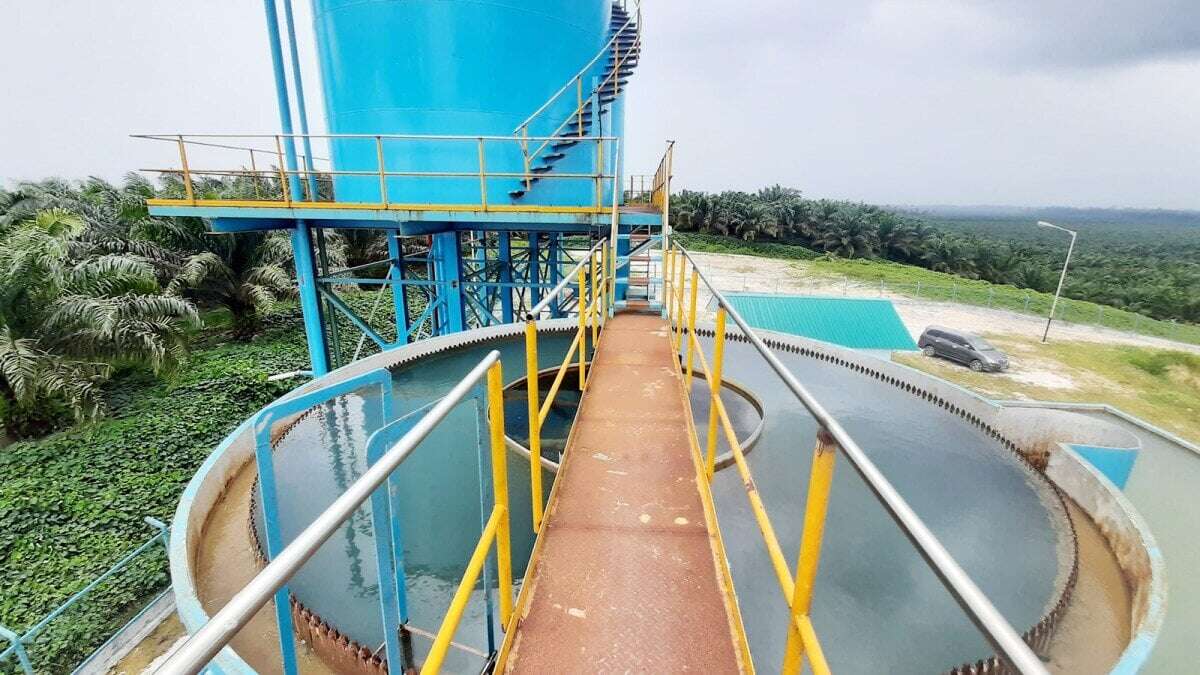
Water treatment combines physical, chemical, and biological processes such as sedimentation, filtration, disinfection, and biological treatment. A chemical supports a defined stage, but final water can only be released for its intended use when the complete treatment train meets the applicable specification, test method, and requirement.
Which chemical group supports each process function?
| Buyer need | Chemical group | Minimum selection data | Acceptance evidence |
|---|---|---|---|
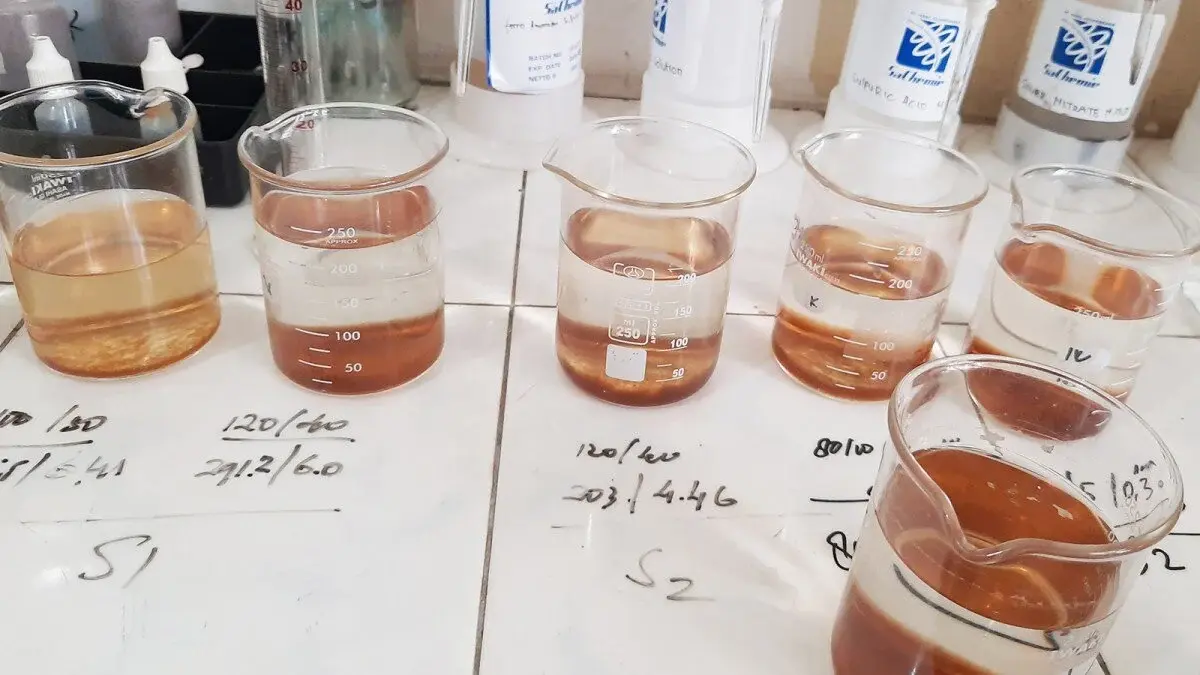
| Water or wastewater clarification | PAC/ACH coagulants and flocculants | Turbidity/TSS, colour, organics, pH, alkalinity, temperature, mixing, settling | Jar test, supernatant quality, active dose, sludge volume/character, and filtration effect |
| pH and alkalinity control | Acid, alkali, or alkalinity builder | Titration curve, buffering, metallurgy, injection point, load variation | Stable pH at the correct point, actual consumption, alarms, and no overshoot |
| Cooling tower | Scale/corrosion inhibitors, dispersants, and biocides | Makeup, cycles of concentration, metallurgy, temperature, deposits, microbiology | Residual/tracer, coupons/probes, deposits, biofilm, blowdown, and exchanger performance |
| Boiler and condensate | Boiler water treatment programme | Pressure/OEM, feedwater, boiler water, condensate, makeup, blowdown, metallurgy | Chemistry at each point, steam purity when relevant, deposits, corrosion, and alarm response |
| RO/UF | Antiscalant, dechlorination, compatible cleaners, and preservatives | Feed analysis, projection, membrane/OEM, oxidants, foulants, normalised baseline | Dose, oxidant residual, differential pressure, normalised flow/rejection, and cleaning endpoint |
| Biological WWTP | Nutrients, pH/alkalinity control, or diagnosis-led bioaugmentation | Biodegradable COD/BOD, N/P, DO, pH, temperature, toxic load, biomass | Process trends, settleability, nitrogen/phosphorus, COD, and repeatable recovery |
The U.S. Department of Energy connects cooling-tower treatment with the water balance and cycles of concentration, while the U.S. EPA nutrient-removal technology report shows that nitrogen and phosphorus outcomes depend on process configuration and biological conditions. One chemical package should therefore not be copied across systems without a baseline and acceptance trial.
Types of Chemicals Used for Water Treatment
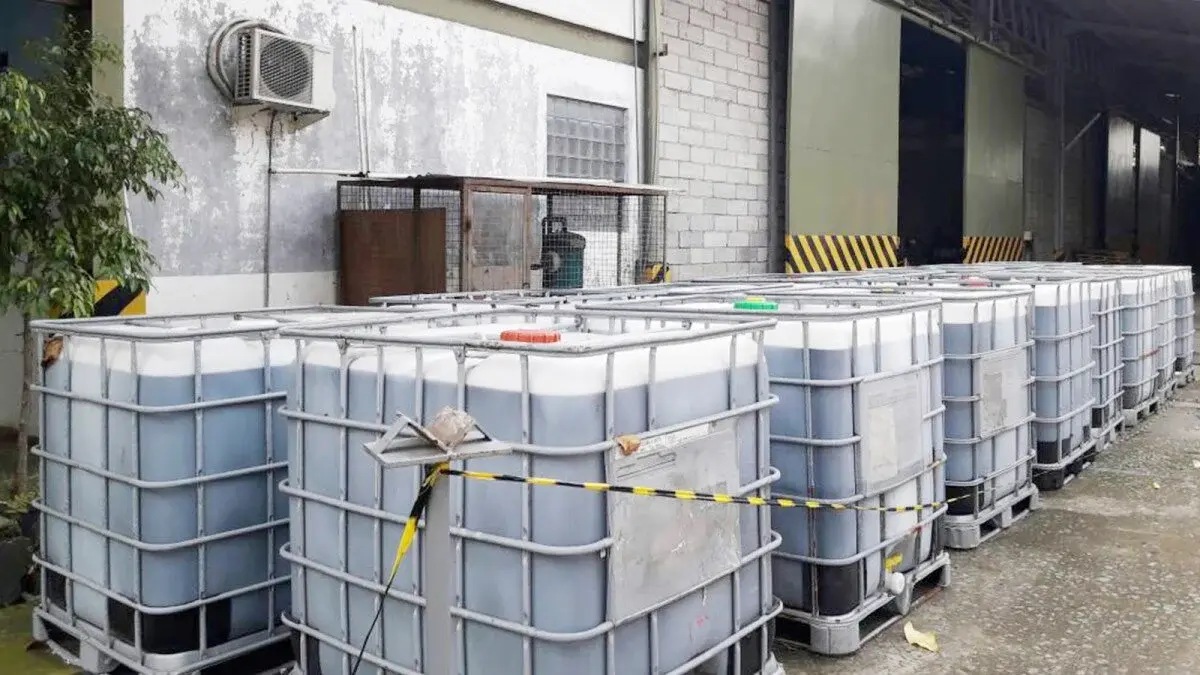
In the water treatment industry, the use of various chemicals is an important part of the process. These chemicals are selected based on their specific functions and needs in water treatment. Here are some of the main types of chemicals used:
Chlorine: Chlorine is used for disinfection in suitable applications. Dose, contact time, pH, demand, injection point, residual, metallurgy, by-products, and end-use requirements belong in the acceptance criteria.
Polyaluminum Chloride (PAC): PAC is used as a coagulant to destabilise particles so flocculation and separation can work. Suitability for a particular turbidity, colour, or organic load requires a jar test and plant trial.
Lime and Soda Ash: Lime and soda ash are used to adjust water pH or alkalinity. A titration curve, material review, mixing test, and downstream requirement establish the dose and injection point.
Aluminum Sulfate: Like PAC, aluminum sulfate is used as a coagulant. Compare dose response, pH, alkalinity, floc formation, sludge, and filtration effects on representative water.
Acids and Bases: Acids (such as sulfuric acid) and bases (such as sodium hydroxide) are used to adjust the pH of water. The use of acids and bases should be done carefully to maintain proper pH balance, which is important for the effectiveness of the treatment process and environmental health.
Ion Exchange: Ion exchange resins exchange selected ions in duties such as softening or demineralisation. Resin type, loading, regenerant, leakage, organic fouling, and treated-water specification define the design.
Oxygen Removal Chemicals: Chemicals such as sulfites and bisulfites are used to remove oxygen from water. Oxygen removal is important in industrial water systems to prevent corrosion of equipment and pipes.
Biocides and Algicides: Biocides (such as bromine) and algicides are used to control the growth of microorganisms, algae, and bacteria in water systems. The use of biocides and algicides helps maintain water quality and prevent problems such as clogging and unpleasant odors.
The Role of Chemistry in Wastewater Treatment
Sewage treatment requires a different approach than water treatment. Sewage often contains different types of pollutants, requiring a combination of chemicals for effective treatment. This process not only aims to make wastewater safe for discharge, but also, in some cases, to return it to the natural water cycle.
How should a chemical programme be tested before routine purchase?
Define the baseline, sample points, methods, pass criteria, trial period, and safety rules before changing a programme. Use a laboratory test when it represents the mechanism, then run a controlled plant trial and change one primary variable at a time. Record active consumption, inlet/outlet quality, equipment condition, sludge or reject, alarms, and downstream effects.
Environmental Impacts and Safety Considerations
While chemicals are essential in water treatment, their use must also consider environmental impact and safety. Regulations and best practices have been developed to ensure that the use of chemicals is not detrimental to the environment and society.
Water treatment chemical buyer questions
Does the lowest dose mean the lowest programme cost?
No. Compare total cost at an accepted outcome: active basis, freight, storage, dosing, sludge/reject, energy, cleaning, downtime, and the risk of changing water quality.
What data should a buyer send before a supplier proposes a product?
Provide the water source, complete analysis and variation, flow/load, relevant PFD or P&ID, metallurgy, operating conditions, current chemicals, trends, problem statement, and target plus safety/discharge boundaries.
When is a laboratory test not sufficient?
It is not sufficient when mixing, residence time, recycle, temperature, shear, biofilm, deposits, or downstream interactions are not represented. Use a controlled plant trial with hold points and stop criteria.
Chemical Trends and Innovations in Future Water Treatment
The water treatment sector continues to develop formulations, sensors, dosing equipment, and evaluation methods. Each innovation still needs comparison against baseline, safety, residuals, energy demand, sludge or reject volume, total cost, and repeatable treatment results.
Conclusion
Chemicals deliver value when their function matches the process and performance is demonstrable. Review the water and wastewater chemical portfolio, then contact Beta Pramesti Asia with influent data, the system, target, baseline, and acceptance criteria for a technical evaluation.